Scum Gong’s White Moonlight Doesn’t Play Cards According to Routine - Reviews

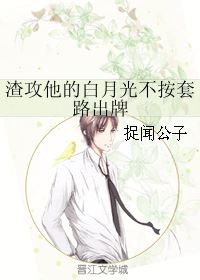
Scum Gong’s White Moonlight Doesn’t Play Cards According to Routine
+Add to Custom List
Sort
Add review
... Read More
Okay so let me just say—Scum Gong is THE most beautifully written type of abuser in this entire chapter. The author absolutely nailed how these people operate. He shows up uninvited, thinks he can just propose and everything goes back to normal like it's 2020 and he didn't spend months making Little Pitiful shou's life hell. But the REAL gem is his internal monologue: "When he thinks of it, Scum Gong feels that he is really scumbag. Fortunately, he wants to understand now, and it is not too late." Not too late?? Bro, you're a grown man kneeling with a ring like you're the one who was wronged here. And that opening detail—"he liked Little Pitiful shou at first because of his wet eyes, which made him think it was a treasure"—is honestly chilling when you think about it. He didn't fall in love with a person. He fell in love with vulnerability. That's not romance, that's predation dressed up as fate. Meanwhile, White Moonlight is the calmest human being alive. He literally squeezes WATERMELON JUICE while his partner is having a panic attack and someone else is threatening violence. He doesn't yell or throw anything until pushed. And then he drops the absolute mic: "Don't forget, you broke up." One sentence. That's it. He doesn't threaten, he doesn't beg, he just reminds Scum Gong of the bare fact of what already happened. I'm literally shook.
... Read More
The scene where White Moonlight asks Little Pitiful Shou 'Do you like me?' while LPS is wiping cream off his hair is one of those moments that lives rent-free in my head. LPS gets stiff, wipes harder, ears go red — and WM just thinks to himself 'it was lovely.' That's it. That's the whole emotional payload. Three sentences and I'm emotionally compromised. But here's what actually breaks me: later, when they're in bed together, LPS is replaying the scum gong's confession to WM in his head. The scum gong said he didn't like LPS at all and could break up with him. And LPS already knew this factually — 'He had already known the facts, so why bother' — but hearing it straight from the source hits different. That distinction between knowing something and hearing something is everything. That's the kind of emotional precision this author has that most writers don't. WM's also got his own stuff going on — he's recovering from something with his first love, he's clearly not over whatever happened there, and now here's this boy he barely knows sleeping beside him and he can't stop caring about whether he blow-dries his hair or catches a cold. The fact that WM's first thought when LPS comes out of the shower is an internal complaint about summer colds instead of, I don't know, the literal sexiness of the situation — that's such a specific kind of emotional deflection. These two are so close to something real and neither of them knows how to name it yet.
... Read More
Let me tell you about the atmospheres in this text because they are DELIVERING. First up: the Shou running out of his home at night. The text doesn't give us a lot of concrete description here, but you can FEEL it. It's a quiet night, the Scum Gong hasn't come home yet, and this kid is spiraling alone. The image of him running to a friend's bar because "at least it was safe" hit different. That's not just a location choice—that's someone who has nowhere else to go. Then the bar scene. Now THIS is where it gets good. We get the dim lighting implied, the noise level that makes phone calls impossible, the friends bunching around tables, the transition from bar to KTV that suggests a whole nightlife ecosystem. The text says "the bar was too noisy" which immediately puts you in that loud, sticky-floored, bass-thumping environment where conversations happen in shouts and decisions happen in impulses. But the most cinematic moment for me was the encounter itself. The Shou spotting the White Moonlight in a corner, recognizing him instantly from a PHOTO that was described in such vivid detail—the buzz cut, the sunny smile, the mole, the basketball. Then seeing him in REAL LIFE: taller than the photo, muscles bulging under a printed T-shirt, looking romantic and arrogant exactly like the picture promised. The gap between the memory and the reality is SO cinematic. It's like the camera zooms in from the photo to the real person and you feel that moment of "oh, he's even more striking in person." And then the KTV transition—"by the time they were ready to move to KTV to sing and wait for midnight"—that's such a specific cultural detail that immediately grounds this in a real place. You can hear the muffled music, see the neon lights, feel the shift from one venue to the next. The text also mentions a hotel briefly when the White Moonlight is left alone with the Shou. Not much detail, but it creates this liminal space—part public, part private, where anything could happen. The author knows how to use spaces as emotional containers.
... Read More
What I love about this arc is how the plot doesn't force anything. There's no grand confession, no dramatic event that forces them together. Instead we get: accidentally missing lunch because they were too absorbed in each other's presence, sharing takeaway stewed rice while he works overtime, him offering a spare key as if it's no big deal but it IS a big deal, the whole morning routine of porridge and noodles becoming their new normal. The narrative structure here is fascinating—each scene is seemingly mundane but cumulatively they build an entire relationship. Chapter after chapter of small moments: drawing each other, laughing when they realize they're both still at the office, the playful towel chaos, waking up to make breakfast together. None of these would register as plot points in a conventional thriller, but in a romance narrative they're HUGE. The author understands that the real drama isn't in what happens—it's in what doesn't happen yet. Every scene is a question mark dressed up as nothing special. And that ending where they fall into this domestic rhythm? That's not the end of tension, that's the beginning of a new kind. Now they have something to lose.
... Read More
Let's talk about the recurring motif of eyes throughout this chapter. Scum Gong originally fell for "wet eyes"—tears as aesthetic, vulnerability as treasure. That's the central horror: he didn't love the person, he loved the performance of suffering. But White Moonlight sees the SAME person with the same eyes and responds differently. He doesn't exploit the tears. He wipes cheese off a face. He squeezes juice. He offers his shoulder. The ring is another loaded symbol. Scum Gong carries it like it's a key to unlocking forgiveness, but Little Pitiful shou refuses it—not just the proposal, but the entire framework behind it. A ring means "I own you, come home." His refusal means "I'm already home." That's the thematic pivot of the entire arc. And the physical marks—the red chin from being pinched, the trembling hands, the forehead resting, the lip kiss—these aren't just romantic beats. They're about who gets to touch this body and what that touch means. Scum Gong's touch leaves bruises. White Moonlight's touch leaves safety. The chapter is really asking: what does it mean to come home to someone who actually sees you, not the version of you that makes them feel powerful?
... Read More
The stakes in this passage are quiet but DEVASTATING. Let me explain. On the surface, nothing 'happens.' They tickle each other. They talk. A kiss happens. But underneath? Little Pitiful Shou just had the most terrifying realization of his adult life — he might actually be in love with someone, and he has no idea if the feeling is mutual. The author frames it perfectly: 'He is an adult, and Little Pitiful Shou knows that ordinary friends are not like this.' This isn't a kid with a crush. This is someone who has LIVED long enough to know the difference between friendship and something more, which makes the realization infinitely more terrifying. And White Moonlight? He's in the bathroom staring at himself thinking about someone named SONG YUAN. Who IS Song Yuan? The fact that this name even exists in White Moonlight's head is a LOADED STAKE. If Little Pitiful Shou finds out about Song Yuan — and the author makes us sweat about it by having White Moonlight literally laugh at the thought of Song Yuan being sad — then everything changes. The triangular tension is brewing beneath this seemingly sweet scene. The real conflict here is internal: both characters want something but neither will say it. Little Pitiful Shou is afraid of rejection. White Moonlight is carrying whatever baggage Song Yuan represents. And the author dangles this single dangerous line throughout — 'Two single gay guys are so dangerous' — like a sword of Damocles over their heads. The moment either of them confesses, the delicate balance shatters. That's why neither can talk about it after. That's why Little Pitiful Shou runs to bed wrapped in a blanket and White Moonlight pretends to sleep. They're standing on a ledge and neither wants to be the first to jump.
... Read More
Okay so first of all, can we just talk about how weird this whole situation is? The Little Pitiful Shou sees a picture of the ring, loses it, runs out to a bar drunk, and literally bumps into the WHITE MOONLIGHT like it's some kind of fate shit. I was not ready for that turn. But here's what actually got me—the White Moonlight himself. You'd expect him to be cold and untouchable, right? The legendary first love who broke someone's heart and haunted them for years. But no. He's literally just sitting at a bar having fun with his friends, gets shoved by some cute drunk kid, and his immediate reaction is to be CHARMING about it. "Is it because I'm too handsome?" BROTHER. He's not even mad. He offers to drive the kid home. He thinks the Scum Gong is a CHEATING piece of trash. His friends are ALL aware of his sexuality and they're just messing with him because he said he'd take care of the kid. Meanwhile, the Shou is over there mentally preparing for a fight he can't win, and then just HONESTLY admits he couldn't beat him up. I laughed out loud. And the White Moonlight finds it funny instead of being offended. This man is built different. But the real relationship drama is between the Shou and the Scum Gong. TWO YEARS. Two years of being treated like an option while the Gong pines after someone else. The ring detail killed me—the Gong made it himself, cried while making it, promised never to give it away, AND STILL brought it out. What does that even mean? Is he keeping it as a trophy? A reminder? Or is he some kind of emotional hoarder? The Shou didn't even know whether to be mad that the Gong still loved White Moonlight or confused that he kept pursuing OTHER people instead. Also fun fact from the text: the White Moonlight once BEAT UP the Scum Gong and then dumped him because he saw him with his ex. So the Scum Gong literally traumatized this guy AND got dumped by him, yet STILL can't let go. That's not love, that's a parasocial relationship with a ghost.
... Read More
Okay, the pacing here is actually insane when you think about it. We start with the Shou seeing a ring photo, spiraling into existential dread about his relationship, running away drunk, AND by chapter 2 he's already sitting across from the White Moonlight having a meaningful conversation. In FOUR CHAPTERS the entire premise is set up. The first chapter is mostly internal monologue—lots of thinking, remembering, getting angry. It moves at the speed of someone lying in bed at 2am overthinking everything, which is... accurate? But it does make the transition to action feel sudden. Then boom, he's at the bar. Boom, he bumps into the WM. Boom, they're drinking together. What I love about the structure is how the author uses DRINK as a pacing device. Every time the Shou drinks, something happens. First drink = courage to confront. Second drink = slurring honest answers. Third drink = complete blackout where he can't even remember where he lives. The alcohol acts like a narrative accelerant—it's literally lowering his inhibitions so the plot can move faster. Genius. The chapter breaks also work well. Each one ends on a note that makes you want to keep going. Chapter 1 ends with the Shou rushing toward the White Moonlight. Chapter 2 ends with the WM deciding to drive the kid home. And from what I can see of chapter 3, it's cut off right as the WM is searching for the Scum Gong's number. That's a CLIFFHANGER wrapped in a dramatic irony bomb because we KNOW the Shou probably shouldn't be found right now. The only thing I'd flag is that the backstory about the Scum Gong and White Moonlight's high school drama comes at us pretty fast—like, we get the whole "WM beat up Scum Gong and dumped him" reveal in a few paragraphs. But honestly, for this type of story, you need that exposition early so you understand the stakes. The author compresses it efficiently without feeling like a textbook. Also worth noting: the humor balances the drama perfectly. Right after the heavy emotional beats, we get lines like "Is it because I'm too handsome?" and the friend group dynamic. It keeps the pacing from becoming suffocating.
... Read More
This is the kind of dialogue that makes you stop and go 'wait, did I just hear that?' because the author has given each character a completely distinct voice and they never cross-contaminate. White Moonlight's dialogue is dry, almost deadpan, but layered with warmth he'd never admit to. 'There is no problem that can't be solved by one meal. If there is, then two meals.' That's not just a line—it's a philosophy. Short sentences. Practical wisdom disguised as casual remark. When he says 'You can't let go of me, you just can't let go of your self-esteem,' it's surgical. No anger. Just truth delivered like a diagnosis. Little Pitiful Shou's voice is the opposite—more expressive, more emotional, more willing to be vulnerable out loud. 'Aren't I particularly stupid like this?' 'I hate myself too.' 'Only spicy food can relieve my inner pain.' He names his feelings. He doesn't hide behind irony or deflection. His dialogue is raw in a way that makes you want to protect him, which is exactly what White Moonlight starts doing without meaning to. Scum Gong is the comic relief and the villain simultaneously. 'Brother Nan, have you come to me?' said with zero awareness of how absurd that sounds given the context. 'Then you beat me!' said like it's a reasonable request after he cheated on his boyfriend of four years. His dialogue is playful, deflective, self-serving—and it's terrifying because he genuinely doesn't understand why anyone would be upset with him. The narrator's voice is this wry, almost cinematic third-person that occasionally breaks into direct address ('This day is going to be my death day because of chatting') and it gives the whole thing this intimate, conversational feel. Like someone telling you a story at 2 AM.
... Read More
There's a scene where White Moonlight opens his wardrobe and literally divides it in half for Little Pitiful Shou. I can't stop thinking about what that means. A shared wardrobe is one of the most intimate symbols in romantic fiction — it's not about clothes, it's about territory, about letting someone occupy your space without asking permission first. But here's the thing that makes it interesting: White Moonlight says 'Take it up by yourself, I won't help.' He's creating distance even while offering proximity. The irony is brutal and beautiful. Meanwhile the setting itself keeps reinforcing this theme of temporary displacement. Little Pitiful Shou can't go home (parents abroad), doesn't have a dorm, is living out of a suitcase essentially. He's untethered. And White Moonlight, for all his composure, is also alone — single, no partner, offering hospitality as a cover for something deeper. The broken air conditioner in the living room is almost comic relief but it also mirrors the emotional state of these two: things are uncomfortable, you're sweating through it, and the only relief comes from something cold and sweet that someone else made for you. The story keeps asking: what does it mean to belong somewhere when you've lost the place you belonged before?
... Read More
There's something really striking about the contrast between the setting and the emotional state of the characters in this section. We open on what should be a perfect Saturday morning — sunlight, pajamas, the whole domestic idyll. White Moonlight frying omelettes, making sandwiches, the cheese aroma hitting Shize's taste buds. This is the kind of scene that should feel cozy and warm, and for a moment it does. But underneath it all, both characters are carrying this enormous weight. The domestic details become almost painful in their normalcy. I keep coming back to the image of Shize curled up, loosely dressed in White Moonlight's college clothes — clothes that are probably too big on him now, since the text mentions White Moonlight was thinner back then. It's such a small, visual detail but it says everything: this person who was once compact and contained is now taking up space in someone else's life, wearing their remnants, sleeping in their bed. The kitchen scene with White Moonlight washing dishes while Shize takes that call is also incredibly cinematic. You can just SEE it — the running water, the back turned, the deliberate act of giving Shize privacy even as he's close enough to hear. And then the couch scene, where White Moonlight's chest gets wet from Shize's tears? That's the kind of intimate, sensory detail that stays with you. The author doesn't over-describe the apartment or the city outside, but what we DO get — the worn college clothes, the simple breakfast, the sofa where two people end up tangled — creates a world that feels incredibly lived-in and real. It's not about grand settings; it's about the spaces where people actually live and break down and heal.
... Read More
I need to talk about the porridge. Not just because it's delicious-sounding, but because it represents something fundamental about what this story is actually exploring. Preserved egg and lean meat porridge. This is not a fancy dish. It's not something you'd serve at a restaurant or impress guests with. It's comfort food in its most basic form—the kind of thing you make when someone is tired and hungry and you want them to feel cared for. And Little Pitiful shou, who 'can't cook rice very well' but 'can make porridge quite well,' is offering this as his contribution to the relationship. There's something deeply symbolic about a character who feels inadequate in every way finding ONE thing he can do well and offering it anyway. The porridge is his way of saying 'I may not be useful for much, but I can do this for you.' And White Moonlight's response—'I have been cooking at an edible level for so long, so don't dislike it in the future'—is quietly revolutionary. He's not rejecting the gesture. He's normalizing it. He's saying: this is fine. This is enough. Your offering is accepted. The wet hair scene operates on the same symbolic level. Drying someone else's hair is an intimate act, but it's also practical. It's the kind of thing you do for someone you live with because it's the reasonable, caring thing to do. Neither character treats it as particularly significant—which is precisely why it's significant. In a genre where romance is often expressed through grand gestures and dramatic declarations, these small, unremarkable acts of care become radical. Then there's the bed-sharing. Two people who have been orbiting each other, carefully maintaining distance, finally occupying the same physical space. The quilt covering both their heads—that's a powerful image. It's a protective barrier, a shared universe, a tent of two. White Moonlight says 'Five minutes is five minutes' and pulls the quilt over them, creating this temporary world where neither of them has to face anything outside. The alarm clock is another symbol I keep coming back to. Little Pitiful shou waking up before White Moonlight, reaching for his phone, getting caught in an embrace. He's performing the role of caretaker—managing the morning routine, ensuring they're not late—while simultaneously being the one who is cared for. He's both the servant and the beloved, and that tension is where the emotional complexity lives. What this story seems to be saying, beneath all the domestic warmth, is that belonging is built through accumulation. Not through one dramatic confession or grand gesture, but through porridge and wet hair and shared quilts and chaotic office desks and lukewarm breakfast. The theme is that love is not a single moment—it's a thousand small confirmations, repeated daily, until you realize you can't imagine your life without them.

Leave a comment

You must be logged in to leave comments. or