Rosetta - Reviews

Rosetta
+Add to Custom List
Sort
Add review
... Read More
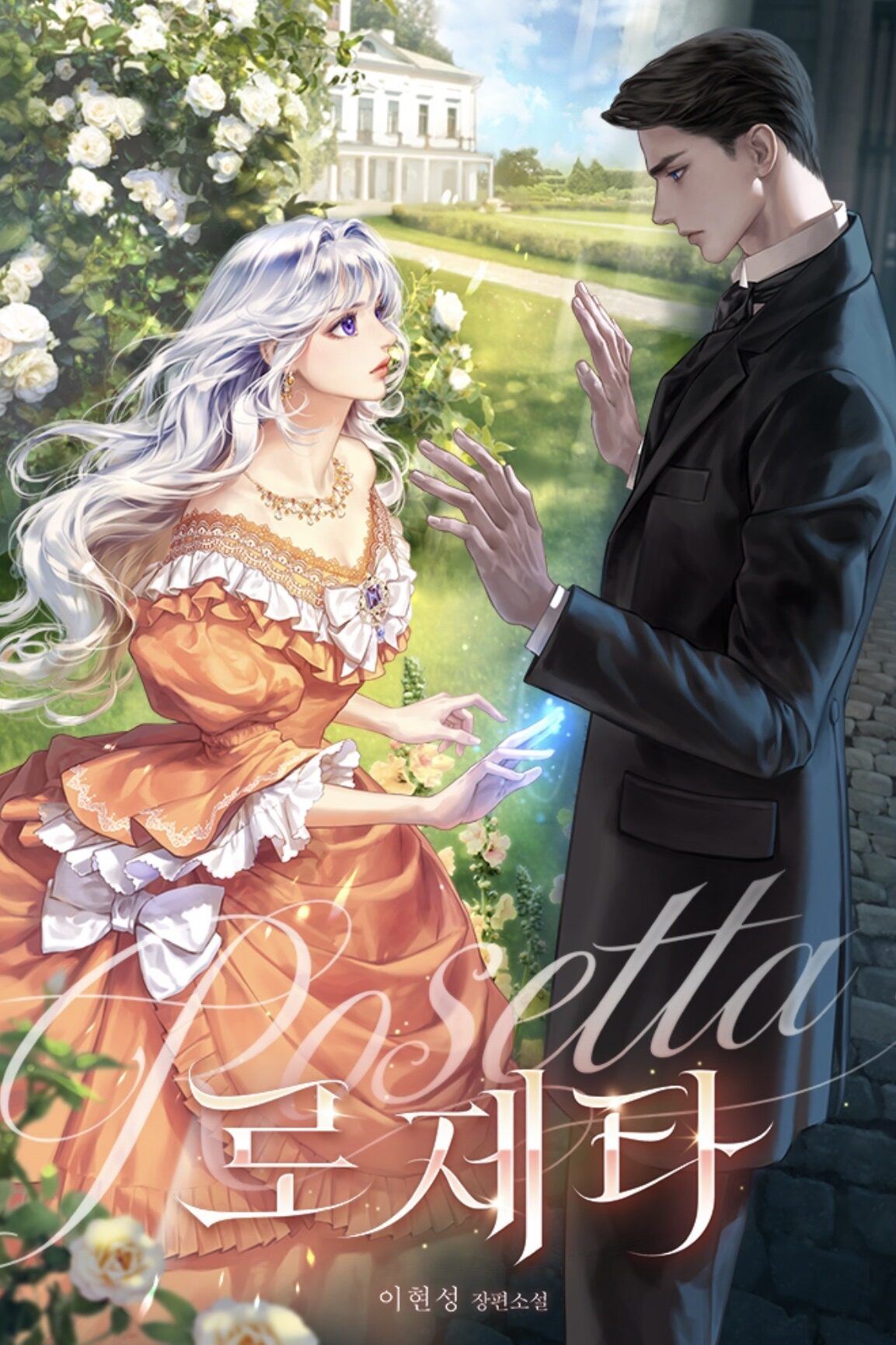
The pacing in this section is absolutely ruthless and I have never been more grateful for it. We open with Rosetta performing magic that blows everyone's minds. Alchemy, transmutation, no incantations—pure awe. The knights are losing their minds. Belkar is speechless. The tone is almost celebratory, like we're finally getting the moment where the protagonist's power is fully recognized. And then Kaelion calls Belkar into his office and absolutely demolishes that high. One moment we're watching a fireball turn into water and the next we're sitting through the most devastating strategic breakdown in the story. Twenty mages. Five Sword Masters. The Emperor's brother threatening to SHATTER the Empress's frozen body like glass. The transition is jarring on purpose. The author doesn't give us a breath between wonder and dread. One chapter ends with Rosetta casually wiping sweat from her forehead after an impossible display of power, and the next section opens with Kaelion staring at a flower while discussing how his wife might not survive an assault by twenty mages. Then—and I swear I'm not made of stone here—it cuts to Rosetta feeling hungry at night, walking through the castle corridors, finding Kaelion sleeping under a tree, and having the most tender scene I've read in any fantasy novel this year. A robe. A touch. Tears held back. Three tones. Wonder, dread, tenderness. All in the span of a few thousand words. No transition warnings. No soft landings. Just: boom, you're amazed. Boom, you're terrified. Boom, your heart is breaking. This is how you pace a story. Not by controlling the speed—by controlling the emotional whiplash. The author knows exactly when to pull the rug out from under you and when to let you sit in the quiet aftermath. I respect it so much.
... Read More
This chapter has such a satisfying arc and I need to break down why it works so well. It starts in media res with Rosetta finishing her work—quick, efficient, we get the setup of the ointment and poison in a few paragraphs. Veloa volunteering as guinea pig adds a flash of danger and humor ('Wow! This ointment is incredible!' while her finger melts). That's our hook. Then we cut to Kaelion in his bedchamber, alone, haunted by memories. Two parallel threads of people who are lonely in different ways. The meeting happens at night—always the best time for revelations. Rosetta's walk to his room with those 'tap tap tap' footsteps is such a nice touch. The pacing slows down here, which is perfect because this is where the emotional weight lands. She confesses she's a mage and he just... believes her. No drama, no testing, no 'prove it.' That immediate trust actually builds more tension than doubt would have, because now we're waiting for the real emotional bomb: her past. The revenge discussion flows naturally into the wealth plan, which leads to the poison/ointment reveal, which leads to the testing scene, which leads to THE CRYING SCENE. The author串得好 tight here—every beat leads to the next without any drag. The only moment that maybe lingers is the flashback to child Rosetta at the end, but it ties back to the flowers-in-darkness motif so it works. I stayed up reading this at 2 AM and had no regrets.
... Read More
The dialogue in this chapter is doing SO much heavy lifting and I need to unpack it. Kaelion's voice is instantly recognizable: 'Hello, Lottie. Don't worry. My face is still as beautiful as ever.' Self-aware, casual, completely unbothered. The man carries around literal carts of decomposing monster flesh and his first concern is whether his wife looks like she's been suffering. His humor isn't performative — it's just how he processes the world. And that line 'My wife has rather unusual tastes' when Rosetta says the monster corpses are wonderful? Chef's kiss. Then there's Rosetta's dialogue, which has shifted noticeably. Earlier chapters she was more deferential, more careful with her words. Now: 'Of course.' 'Why would I need an incantation when I already know the formula?' 'Because that's creating something, not transforming it.' She speaks with quiet authority. Not arrogance — just certainty. The difference is important. Veloa's voice is the most distinctive. Her reactions are pure, unfiltered wonder masking itself as casual interest. 'Can you make fire too?' 'Really? I've never needed to.' 'Then… can you make wind too?' The ellipses are doing emotional work here. She's asking simple questions but her mind is spiraling. And then 'For some reason, Veloa thought she looked like a dejected puppy. Adorable.' That narrative aside is pure authorial voice — warm, intimate, slightly mischievous. Adel's voice is all business — 'You must carry yourself accordingly. Husband and wife are one.' Formal, precise, but with an underlying warmth that shows when she softens her expression around Rosetta. The contrast between Kaelion's boisterous Practicality and Rosetta's quiet intensity creates a dialogue rhythm that feels like two people who genuinely understand each other's wavelengths. They don't need long conversations. A glance, a half-finished sentence, a shared joke about rotting corpses — that's their love language.
... Read More
I need to just sit with this one moment. Kaelion standing by the window, looking at the garden that Rosetta transformed, and he says: "This won't do, Lottie. You're doing far too well." He's smiling when he says it but it's not a comfortable smile. This man has given her freedom, literally the one thing he promised her, and yet her excellence bothers him. Not because she's failing — because she's succeeding without him. And the narration tells us straight up: "He had never wanted Rosetta to restore the Grand Ducal House. All he had ever hoped for was that this place might offer her a gentler refuge." He wanted her safe. Quiet. Untouched by the same ambitions that destroyed other people. But she couldn't be either of those things, could she? She's too brilliant, too driven, too alive. And now he has to watch her become someone even more powerful than he imagined, and he can't stop her because he promised her freedom, and he made her dinner invitation feel almost desperate, like if he doesn't keep her close in some small way he'll lose her completely. The tragedy isn't that they're enemies. The tragedy is that he actually loves her and his love is the cage he's trying not to build.

Leave a comment

You must be logged in to leave comments. or
