Returning at Full Level: I’ve Got that Sickly Young Master Covered - Reviews

Returning at Full Level: I’ve Got that Sickly Young Master Covered
+Add to Custom List
Sort
Add review
... Read More
Xu Zeqing. Xu. Ze. Qing. I need a minute. This man is absolutely disgusting and the way the text handles him is brilliant because he's not just a cartoon villain—he's someone who genuinely believes his own performance. Watch this: after attempting to kill his daughter, he immediately transitions into crying mode, blaming Jiang Heng, claiming he had 'no choice,' sobbing about debts and his failing father-in-law. The text says even the best actors would yield to him. AND HE'S RIGHT TO SAY THAT. The horror isn't just that he's evil—it's that he's a convincing performer of grief and helplessness. Meanwhile Xu Xingguang's reaction is what got me: she's cold, analytical, almost amused ('how does it feel to have removed your daughter's oxygen mask with your own hands? Enjoyable?') She's not screaming or crying—she's assessing damage and calculating. That shift from victim to strategist in one breath? Iconic. And then the stepmother dynamic—You Jingqiu immediately latches onto Xu Zeqing's arm like a parasite, and Xu Xingguang's immediate question 'Where is my mom?' cuts right through all of it. The family structure in this book is basically a house of cards waiting for one strong wind.
... Read More
I need to talk about the pacing here because this is wild. In what feels like maybe 10-15 pages of actual text, we get: a murder attempt, a coma awakening, a confession of infidelity, two secret children, a revealed stepmother, a forced marriage plot, a bankrupt family, a betrayal by Jiang Heng, an absent mother, and the hint of a larger conspiracy involving Shenyin Island. That is A LOT. And yet I didn't once want to skim. Here's why I think it works: each revelation comes at a moment of highest emotional tension, never when the reader is tired. The father removes the mask → she wakes up → he confesses → the stepmother enters → the mother question drops. It's a cascade, not a dump. The author trusts the reader to keep up. Also, the humor punctuates the darkness perfectly—that 'squid' joke land in the middle of what should be pure horror and completely shifts the mood. It's like the story is giving you a punch to the gut and then winking at you. My only complaint? I want to know MORE about Jiang Heng already. Who is this guy? Did he really use her? Or is her father lying about him too? The text leaves these questions hanging and I am OBSESSED with finding out.
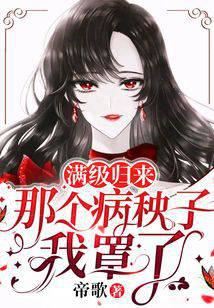
... Read More
The dialogue in this opening is razor sharp and deeply unsettling. Xu Zeqing's speech patterns reveal so much without explicit narration. Listen to how he justifies himself. Xingguang, I had no other choice. The language of coercion dressed in the vocabulary of sacrifice. He does not ask permission. He does not weep or beg. He negotiates his daughter's death like a business transaction. There is a chilling clarity to his voice that makes him feel disturbingly real. The author avoids melodrama here. No overwrought monologues about power or fate. Just a man stating facts with terrifying calm. Meanwhile Xu Xingguang's internal voice provides the emotional counterpoint. She experiences raw shock, betrayal, and then something colder. The voice of someone who has watched people lie across ten different lifetimes. Her thoughts are clipped, analytical, almost dissociated. This contrast between her father's warm-toned cruelty and her own icy detachment creates remarkable tension. The Jiang Heng exposition is handled through the father's dialogue rather than narration, which serves double duty. We learn about the romantic pursuit, the blood transfusions, the company bankruptcy, all filtered through a bitter husband's perspective. Whether we can trust his version of events is another question entirely. The dialogue also reveals class dynamics. Xizhou City versus Yujiang City. Rich heir versus humble background. These social hierarchies shape every interaction and none of the characters escape them unscathed.
... Read More
Okay so let me just— that opening moment where Xu Zeqing rips the oxygen mask off?? I nearly dropped my phone. Like, this is the kind of scene that makes you immediately question EVERYTHING about this father character, and honestly it sets the tone for the entire novel. The plot twist here is layered in the best way: we first see him trying to murder his own daughter, then she WAKES UP mid-attempt, and THEN he starts performing this Oscar-level confession that mixes truth with manipulation. The fact that he blames Jiang Heng for everything is such a classic abuser move—redirecting blame, making himself the victim—and the narrator (Xu Xingguang) literally thinks 'If I hadn't heard his heartless words earlier, I might have been led astray.' That self-awareness is chef's kiss. Then BAM, the stepmother walks in and the whole conspiracy gets exposed in real time. The pacing of revelations here is incredible. First the affair and illegitimate children, then the murder attempt, then the forced marriage plot to the Huo family, then the stepmother reveal—all in a few pages. It's chaotic in the best way, like the story is feeding you poison and good things simultaneously.
... Read More
Okay so let me just say — Xu Xingguang waking up is a MASSIVE turning point and the author knew exactly what they were doing with this reveal. The entire chapter 6 is built around this single moment of information dropping like a bomb. First we get the vague news spreading, then Bai Xuan literally SPILLS HER COFFEE when she sees the Weibo post, and then they watch the vlog where Xu Xingguang is struggling through rehab exercises. The fact that doctors said her organs were deteriorating and she was in a coma for three years — and she WAKES UP anyway — is the kind of plot twist that makes you slap the table. Jiang Heng thought he had eliminated all threats by taking over the Xu family company and leaving them bankrupt, but now his "minor nuisance" has come back to life. And here's the thing that really impressed me about the plot structure: the author didn't just give us a happy awakening scene. They immediately showed us the stakes. Jiang Heng has been using Xu Xingguang as a free blood bank for three years. That's not just backstory — that's a ticking time bomb waiting to explode when she finds out. The vlog detail is genius too. Instead of having someone tell us "she woke up and is recovering," we WATCH her suffering through physical therapy, pale but determined. It makes her comeback feel earned rather than handed to her on a silver platter.
... Read More
There's this huge thematic current running through this chapter that goes way deeper than the surface drama. Ten lifetimes of reincarnation — that's not just a cool backstory device, it's a statement about how suffering transforms identity. Xu Xingguang didn't just come back the same person; she came back with the accumulated wisdom and pain of multiple existences, which explains why she's suddenly capable of reading people so accurately and acting with such cold precision. The cactus pot is such a great symbolic choice. It's prickly, dangerous, sits on a bedside table — apparently harmless but capable of causing real damage if you push it the wrong way. You could argue it represents Xu Xingguang herself: something that looks small and decorative but will make you bleed if you underestimate it. And the wedding ring — that's the centerpiece of the whole betrayal theme. Xu Zeqing wearing it while his wife's body is barely cold, the surreptitious way he covers it when his daughter notices, the fact that it becomes this invisible third party at the table. The ring symbolizes a marriage built on Lies, and Xu Xingguang sees right through it. Her line about repaying "in double" isn't just revenge — it's about cosmic justice, about making sure the scales balance after her mother's unjust death. The river imagery also stuck with me. Water as both life-giver and destroyer — her mother fell into the Yujiang River and died, but that same water could be where Xu Xingguang's truth eventually surfaces. There's something almost mythological about how the author is using natural elements to frame human betrayal.
... Read More
The stakes in this passage are layered like an onion and I'm crying from the fumes. On the surface level, Xu Xingguang's life is literally in danger — she's about to be married off to a dying man and expected to die with him. That's as high as it gets. But layer two: Hong Ruhai's entire future depends on this plan working. He's used his position as a gardener to infiltrate the inner circle of the most powerful family in Xia Country. If this goes wrong, he loses everything — his patronage, his status, maybe his life. The Huo family doesn't tolerate failure lightly. Layer three: Xu Zeqing is trapped between his ambition and his fear. He agreed to this scheme because his family is in 'dire straits' but now that Xingguang has awakened, he can't tell the truth without implicating himself. And You Jingqiu is simultaneously plotting a backup plan involving her own daughter while her co-conspirator is potentially facing ruin. Everyone is gambling and nobody has a winning hand. The suspense is maintained masterfully because the reader knows MORE than any single character. We understand the full scope of the conspiracy while Xu Zeqing is scrambling and Hong Ruhai is calculating and Xingguang is waking up confused. That dramatic irony — knowing what's about to go wrong while watching characters stumble toward it — is exactly what makes you want to keep reading.
... Read More
I need everyone to sit down because Jiang Heng is genuinely one of the most chilling villains I've encountered in this genre and I don't say that lightly. Let me walk through why this man is absolutely monstrous. So he's been siphoning blood from an unconscious woman for THREE YEARS to keep Bai Xuan alive. THREE. YEARS. Of a living, breathing human being being drained like a juice box while she couldn't even wake up to stop it. And his response to finding out she's awake? The absolute casualness of it destroyed me. He says, "She has been a free blood bank for you for these past few years. Besides, although your condition is temporarily under control, there is still a possibility of a relapse in the future. Keeping her alive may still be useful." Let that sink in. He is weighing whether she's worth keeping alive like she's a utility bill. And then when she doesn't comply? "Then I'll make her disappear from this world forever! She's just a slightly famous writer. If she dies unexpectedly, who would dare say it was his doing?" The arrogance. The calculated cruelty. And Bai Xuan — she's the one benefiting from this blood theft, nestled in his arms, and even SHE says "She will definitely seek revenge on us" with actual fear. But Jiang Heng just laughs it off with this whole "shrimp challenging a giant crocodile" metaphor. Meanwhile, You Jingqiu is operating on her own wavelength — she named the twins to mock Xu Xingguang's child, which shows she's been living in this twisted rivalry mindset even while separated from Xu Zeqing. Both women are using children as weapons in a war that isn't theirs. The author really understands that trauma and resentment create chains that don't break just because people part ways.
... Read More
This opening is a masterclass in immediate tension. Xu Xingguang wakes up from three years of dormancy only to discover her own father is planning to monetize her corpse. The setup is brutal and efficient: she survived ten reincarnations across different worlds, building wisdom and survival instincts, only to find herself betrayed by the family she fought to return to. The father figure Xu Zeqing is particularly chilling because his manipulation is so coldly pragmatic. He doesn't even pretend it is about love or necessity. The reveal that her entire existence has been transactional. First Jiang Heng used her as a blood donor to save his first love. Then her father weaponizes her body against her will. The plot twist regarding the Huo family marriage arrangement is darkly brilliant. Sending a comatose woman to die alongside a sickly groom. It reads like ancient folk horror meets modern romance drama. And those details about her being an only daughter all along. The brother Jiaoyang and sister Mingyue that her father mentions. They do not exist. Is this gaslighting or is the reality even stranger than we think? The author clearly enjoys subverting expectations. We expect the villain to be Jiang Heng, the deceitful boyfriend. But the real monster is standing bedside in a hospital gown, talking to his unconscious daughter about profit margins. I am deeply invested in watching what Xu Xingguang does next.
... Read More
Let's talk about the atmosphere in this scene because it's genuinely cinematic. The hospital room at night, moonlight and starlight 'intertwined' in Xu Xingguang's eyes—that image is haunting. You've got this clinical, sterile environment (ventilators beeping, oxygen masks, waveform screens) colliding with something almost spiritual about her awakening. The text keeps bouncing between cold medical imagery and this almost poetic quality: 'resembling a dazzling Milky Way, stunningly beautiful.' It's the contrast that makes it work. Then the door BANGs open and You Jingqiu strides in wearing an open coat over a form-fitting black dress in COLD WEATHER, shaking snow off herself. This woman literally walks in like she owns the place, and the visual of her 'voluptuous figure' contrasting with the weak, vulnerable Xu Xingguang in bed is striking. The hospital room goes from a place of supposed healing to a stage for betrayal and conspiracy. And that detail about the helicopter transport to Shenyin Island? Like, this isn't just a sick girl in a hospital—this is a wealthy family's dark underworld operating inside a medical facility. The worldbuilding here is subtle but effective: we learn about the Xu family's fallen status, Jiang Heng's supposed ruthlessness, the Huo family marriage plot, all through a single scene in one room.
... Read More
There's something deeply symbolic about Xu Xingguang being in a vegetative state during this entire scheme. She's literally the centerpiece of the plot — the object everyone is fighting over, the pawn in a marriage contract, the woman whose body matters more than her consciousness — and she can't even open her eyes to stop it. The fact that she WAKES UP at the exact moment the plan is about to execute feels like the universe itself saying 'absolutely not.' The Yin-Yang marriage tradition itself is loaded with symbolism about balance and harmony — or at least, the Huo family's twisted version of it. They want to 'balance' their dying heir with a perfect, beautiful woman who poses no threat because she's already 'gone.' It's control masked as tradition, cruelty dressed in philosophy. The translator's note about Tao and balance is almost ironically appropriate here because what they're creating is the absolute opposite of harmony. And then there's the whole parent-child dynamic — mothers arranging marriages for dying sons, fathers using daughters as currency, illegitimate children being groomed for advancement. The recurring image of women as objects to be moved around the board while men make the moves feels intentional. Xingguang waking up might be the first time in this story that a woman actually exerts her own will.
... Read More
Xu Zeqing is one of the most令人寒心 father figures I have encountered in recent web fiction. On the surface he presents himself as a kind man who loved his daughter. But behind closed doors he is calculating the resale value of his own child. The moment he says don't blame me, blame Jiang Heng felt like a physical blow. It is classic abuser language. Deflecting responsibility while preparing to commit the ultimate betrayal. And yet I cannot fully write him off as cartoonishly evil. The author gives him a crack in his armor. He hesitates before ending his daughter's oxygen supply. His hands tremble. He has never killed anyone before. This suggests conscience still flickers somewhere beneath layers of greed. Compare him to Jiang Heng, and the contrast is stark. Jiang Heng pursued Xu Xingguang for two years with genuine theatrical romance. Private flights every week, diamond roses, endless attention. He made her feel special and seen. But his love was always conditional. She was valuable only as long as she had rare P blood and beautiful bones. The real tragedy is that Xu Xingguang spent three years fighting through ten different lives just to return home. Only to find home was never safe. Her grandmother wanted a son. Her grandfather excluded her from ancestral rites. Her mother sterilized herself to protect her from further neglect. She was already the unwanted daughter before the mirror fell.

Leave a comment

You must be logged in to leave comments. or
