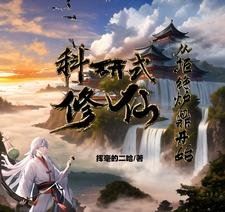
Okay, let me just say this upfront: the opening of this novel grabbed me by the throat and didn't let go. I was completely thrown off by the plot twist – one minute our protagonist is a miserable pig slaughterer on Earth, and the next he's waking up in a body covered in bruises, whip marks, and what the hell are these hickeys?! I literally shouted at my screen. Who does this? Who transmigration without even proper pants? That detail alone had me laughing so hard my neighbors probably thought I was insane.
The narrative structure here is surprisingly tight for a first chapter. We get the transmigration hook, the discovery of the new body, the emotional breakdown (he actually kneels in the rain and cries for his parents – I felt that), then the thunderstorm that burns down the temple, which symbolically kills his old self and births the new one. That scene with the lightning striking the tree and the fire burning brighter and brighter? Chef's kiss. It's not just atmospheric; it's the perfect metaphor for his transformation.
And then – and this is where the plot gets interesting – he finds a sword in a well that's literally submerged by wind and sand. Not gold, not treasure, just a plain-looking sword that somehow makes him feel lighter, sharper, more alive. The author doesn't over-explain this. Wei Xing just draws it, and suddenly he's capable of cutting through thick branches like they're nothing. This is how you introduce a golden finger without making it feel forced.
But what really sold me on the plot was the pacing. The Elder sequence that follows – this woman with red pupils lying on her throne, sensing Wei Xing's arrival, calculating, and casually ordering his capture? It happens almost in a dream within a dream, which is genius. The author is establishing stakes without boring us with exposition. Someone powerful is already hunting him, and we don't even know what he's done yet. That's tension right there.
I also want to talk about how the plot handles Wei Xing's internal conflict. He's not just适应 to this new world; he's fighting with it. His scientific worldview from Earth clashes with everything around him. When he kneels and bows to Qingyun Zhenjun, begging for transportation back home, it's pathetic and funny and heartbreaking all at once. The author understands that transmigration isn't just about power fantasies; it's about identity crisis.
The ending of this chapter – Wei Xing bowing three times to the stone statue, leaving with his sword, and the statue emitting a faint light that quickly fades – is perfect. It leaves us hanging but satisfied. We know he's stepping into something bigger, and we can't wait to see what happens next. The plot moves with purpose, and I'm already five chapters in. This author knows how to build a narrative that doesn't waste a single scene.