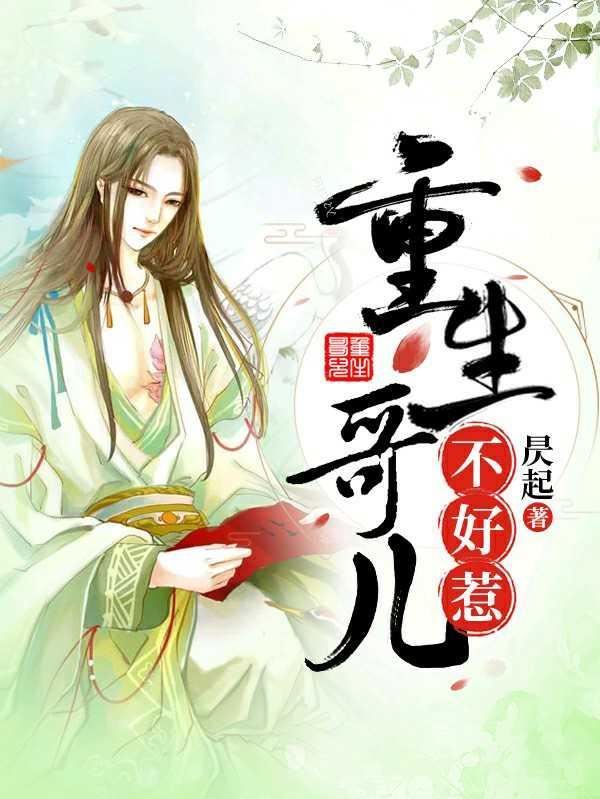
There are two symbols running through these chapters that I cannot stop thinking about: the pendant and the concept of entering space. Both represent transition, transformation, a crossing from one state of being to another. In Chen Jiu's previous life, he was fooled. He believed Chen Ling's lies that telling his father everything would make him sad. He stayed silent, he stayed weak, he stayed engaged to Qian Yun against his own will. The pendant presumably is the key that unlocks something, whether that's power, knowledge, or a literal otherworldly space. And entering space that whisper Zhao Chen gives him in the ear, it's almost religious in its intimacy. You're alone with your ally, pretending to be unconscious while your father carries you home, and in that suspended moment, he transmits something essential. It's a secret passed in darkness, a covenant renewed. The engagement to Qian Yun is also deeply symbolic. From Chen Guangren's perspective, annulling it would seem foolish because Qian Yun passed the scholar examination. The family connections, the social standing, the expectations of the village all press on Chen Jiu like physical weight. But Chen Jiu has died and been reborn, and in his previous life he accepted this fate passively. Now he knows it was a trap, knew that Chen Ling and her mother used his silence against him. The pendant and the space together represent agency. They represent the possibility of escaping the constraints of family obligation, social expectation, and past trauma. Chen Jiu's hesitation throughout these chapters his fear that Zhao Chen might abandon their plan, his instinct to avoid Zhao Chen's touch despite needing his help that's the trauma speaking, not the present reality. The old Chen Jiu would have complied, would have let others decide his fate. The new Chen Jiu, the reborn Chen Jiu, is learning that trust must be earned, that allies are rare, and that sometimes the person everyone calls foolish is the only one who truly sees you.