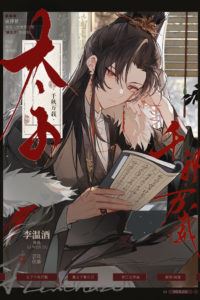
Let me start with this image because it's one of the most striking pieces of worldbuilding I've encountered in this novel:
"The capital was bustling, with clear social hierarchies. The wide Weihe River separated the poor from the wealthy; on one side, the lights were bright, and the markets were lively, while this side was slightly quieter with sparse lighting. The poor saved on oil for their lamps, making the capital seem as if it were only half illuminated at first glance."
Half a city lit. That's it. That's the thesis statement for the entire world of this novel. The Weihe River isn't just a geographical feature; it's a dividing line, a metaphor made physical. And the author doesn't need to spell it out — the image does the work.
This worldbuilding extends everywhere you look. The Later Qin period is described as having a relatively open social atmosphere, fewer taboos between men and women, women holding higher status. This is attributed to Princess Gonghe and the deep affection between the late Emperor and Empress — their first child named Han Yuan, meaning "to envy the mandarin ducks, not the immortals." A name that bears witness to love, which in turn elevated women's status. This is the kind of worldbuilding that feels lived-in, where political and social structures grow organically from personal history rather than being imposed as exposition.
Juxian Tower is another brilliantly rendered space. The red plaque was originally presented by Gu Zhenguan's grandfather, but the Gu family has long been forgotten amid unending struggles, while the plaque remains bright and vivid. This single detail — the plaque outliving the family — is devastating. It speaks to the impermanence of power, the cruelty of political upheaval, and the way history erases people while leaving behind hollow symbols. Tang Jiwei, standing in that hall, would know this intimately. His own family suffered the same fate.
The examination hall itself is described with such sensory detail — the drawn swords, the silence falling over the crowd, the heavy sound of the gates closing. This isn't just a setting; it's a threshold. Candidates enter, and their fates are sealed. The three-day confinement, the harsh conditions, the meticulous search and inspection — all of it creates a sense of claustrophobia and inevitability.
And then there's the contrast between the examination venue and the rest of the capital. While candidates face this grueling trial, the city is alive with poetry competitions, lantern festivals, singing and dancing. The social atmosphere during the Qin period allowed young men and women to gather along the Weihe River, engaging in lively conversation. Life goes on around the examination — vibrant, careless, beautiful — while Tang Jiwei moves through it all as someone who has died and returned.
The world feels alive because every location carries emotional and historical weight. The capital isn't just a backdrop; it's a character in itself.