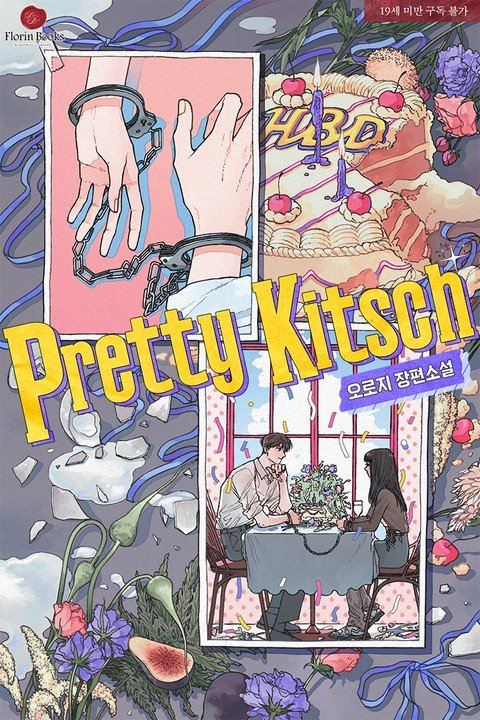
"I was sick for several days after that. Yeo Hae-jeong volunteered for unnecessary nursing and stayed by my side, while I kept my mouth shut and received his care."
That's it. That's the whole time skip. Four days of what I imagine was agonizing performance—groaning, pretending to be feverish, swallowing porridge she probably didn't want—collapsed into two sentences. And I think that's one of the smartest structural choices in this entire passage.
The author could have dragged those four days out, shown us morning after morning of her acting ill, but instead they compress it. Why? Because the reader already understands the dynamic. We don't need a montage. The tension is in what happens AFTER the compression ends, when she's "recovered" and he catches her in the lie. The pacing accelerates precisely at that moment—what was slow, domestic, almost tender in the sickbed scenes instantly becomes violent and confrontational.
Compare the rhythm: the caring scenes move slowly, with long descriptive passages about towel temperatures and glove sounds. Then the feigned-sickness compression acts like a breath held too long. And when she's discovered? The prose quickens. Short sentences. Punchy dialogue. Physical action replacing atmospheric detail. The structure mirrors her panic.
The chapter also opens in medias res—she's already hurt, already trapped, already sick—and it never stops to explain. We learn about the keypad, the card key, the captivity, through her scattered thoughts and calculations rather than exposition. This is pacing that trusts the reader to fill gaps, and it creates this relentless forward momentum even when nothing physically happens for whole paragraphs.