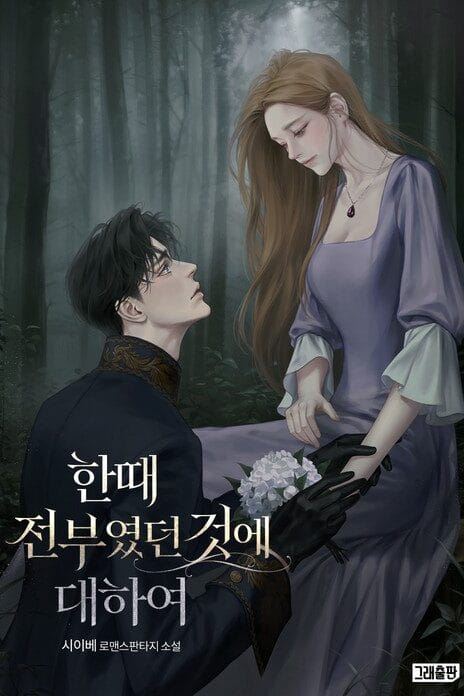
The winter wish-tree scene is absolutely cinematic. Let me paint it: a young tree planted by village children, white papers crumpled into balls and hung as offerings to the winter spirit—a tradition from the south where it doesn't snow. Chloe hurriedly picks up the scattered papers, dusting off dirt, treating them like sacred texts. And then she sees them. The wishes. The setting isn't just backdrop; it's active storytelling. The tradition itself mirrors the plot: hopes hung for the world to see, secrets folded into paper balls, the expectation that something magical might grant them. But here's the genius—the magic is entirely human. The 'winter spirit' is just superstition; the real drama is in Chloe's violet eyes widening as she reads rival desires. Then the tree collapses. Of course it does. It's a sapling, weak from winter, unable to bear the weight of all those wishes. Symbolically, it's perfect. The fragile structure of their current happiness buckles under the pressure of social reality. Later, at the western villa, the worldbuilding expands. The fortress is faded like desert sand, scarred by war cracks, reminding us this empire has a violent history. Inside, vibrant geometric patterns contrast with the barren exterior. Tasha reclines on a sofa beneath an arched window, comfortable in a space that feels both exotic and lived-in. Chloe's room is simple but not poor—the blanket has a silk lining, the furniture suits Sylven's taste but isn't ostentatious. Every detail places us in a world where class matters, where beauty coexists with decay, and where traditions bind people together even as they expose vulnerabilities. The cold western night wraps around them, making the interior warmth feel earned. I love how the environment mirrors emotional states: the collapsed tree, the scarred fortress, the chilly corridor where Chloe hides her arms. This isn't just set dressing; it's atmospheric storytelling that makes the world feel breathable.