My Shit Shovel Officer is Cute - Reviews

My Shit Shovel Officer is Cute
+Add to Custom List
Sort
Add review
... Read More
This chapter opens with what I can only describe as the coziest scene in recent memory. Five pets on a sofa. A high-end private restaurant near W University that only serves members. Someone actually prepared a BABY BOTTLE for the cat. I need to process this. "Xiao Luo held the baby bottle prepared by the shit shovel officer, smelled the evil man's vegetables, almost drooling." I cannot stop laughing at this. The juxtaposition of intimate pet-care details with the underlying tension of their world is so well done. But then the tonal whiplash. One moment it's: "Wu Huan was very shy at this time, staring at the little orange cat glutinously" and the next it's a dark figure rushing from a corner with a knife. The author doesn't even give you a beat to recover. The restaurant setting — quiet, exclusive, members-only — makes the violence feel even more violating because it WAS supposed to be safe. I also love that the world has these invisible systems layered on top of normal life. The QQ Mall, charm values, popularity points, amulets with red strings that glow with a 'sacred luster.' It's like if your group chat had an inventory system and some people were just richer in social capital than others. The blue smoke on Su Chen's head that signals danger is such a cool visual motif too — like a supernatural weather report for your head. The contrast between the warm domesticity of the opening and the clinical brutality of the attack is what makes this world feel alive. It's not just pretty scenes or just action — it's both, and the switch between them is violent.
... Read More
Can we just TAKE A MOMENT for how each animal's voice is completely distinct? Coco goes from sneezing dramatically to laying into the colonnade to unleashing a full devilish laugh like a cartoon villain—his dialogue is HIGH ENERGY, all caps energy, the kind of character who interrupts themselves constantly. And it works because every time he opens his mouth you know exactly what flavor of chaos you're getting. Xiao Huang is the opposite—polite, measured, always asking "please give me your advice" like he's attending a formal tea party. Even when he's picking up Wu Huan like a fierce predator it's framed as gentlemanly concern. The contrast between his gentle words and his physical actions is COMEDY GOLD. And the narration! The author slips in actual Chinese idioms like "one who stays near vermilion gets stained red" and then immediately explains them in parentheses like the narrator is right there beside you, whispering translations. It creates this intimate, almost conversational tone that makes reading feel like having a friend narrate the story to you. Not pretentious, not academic—just warm and knowing. "Xiao Miao, I'm so mad!" Wu Huan's explosion of emotion through text message format, followed by the system prompt about popularity points—it's absurd and perfect and I keep re-reading it for the comedic timing.
... Read More
There's something deeply poignant underneath all the comedy here, and I want to talk about the symbolism of the school uniform. 'Originally at this time, he could also wear a school uniform! Xiao Luo was all melancholy.' This isn't just a joke—it's the emotional core of the entire premise. Xiao Luo lost something fundamental: the ability to participate in ordinary human rituals. The uniform represents normalcy, youth, belonging. His melancholy over it is real grief disguised as comedic complaint. The cat form itself is a symbol of transformation and loss of agency. He's stuck in a body that others perceive as adorable and harmless—Ling Su kisses him, calls him 'Xiaopang,' treats him like a pet—while inside he's a fully formed person with thoughts, opinions, and a desperate need to maintain his dignity. The species barrier becomes a metaphor for how misunderstood people feel in general. The gender reveal scene hits different when you think about it symbolically. Xiao Luo's panic about whether he's male or female in cat form speaks to this deeper anxiety about identity itself. When Ling Su casually resolves it with 'you're male,' it's almost cruel in its simplicity—the human doesn't grasp that this question matters existentially to the cat. And then there's the Apple 9, the phone that becomes his window back into the human world. Technology as a tether to identity. The Rhythm Master game—mastering rhythm, mastering control, proving competence through something seemingly trivial. These aren't just funny details; they're carefully placed symbols of a being trying to assert personhood in a body the world refuses to take seriously.
... Read More
This reads like a breathless comedic sequence that's also quietly building something heavier underneath. The chapter opens mid-conversation—with Xiao Luo already observing Ling Su's appearance, already rating him 9 out of 10, already deciding he's an 'idol drama male number two player.' No slow setup, no 'once upon a time.' We drop into an established dynamic and never catch our breath. The pet shop transaction happens in paragraphs. The car ride unfolds with simultaneous external action (driving slowly, phone call, arriving at university) and internal monologue (Xiao Luo analyzing everything). Then—the twins appear, the trunk opens, the cat supplies are lifted, and Ling Su walks behind them holding a 'Feeding Manual Guide' like a sacred text. Transition: seamless. The author trusts the reader to keep up. But here's what I love: under all this comedic velocity, there's a structural tension that keeps pulling you forward. Why is Ling Su buying a cat? Why does he say those three cryptic sentences on the phone? Why does Xiao Luo suddenly remember his QQ account and think about verifying whether his human body is dead? The pacing never lets you settle. Every time you laugh at 'stupid rich man,' the narrative hands you a small mystery. And that final image—Ling Su walking unhurriedly behind the twins, cat cage in one hand, manual in the other, while Xiao Luo internally critiques his 'old man posture'—that's not just a funny beat. It's a visual metaphor for the entire setup: Xiao Luo is trapped in this absurd situation, watching from inside a cage, unable to intervene, forced to observe and interpret every gesture. The chapter doesn't end with a cliffhanger, but it ends with momentum. We know Xiao Luo is at W University now. We know Ling Su is connected to it. We know the twins are involved. What happens next? You turn the page.
... Read More
There's something quietly philosophical happening beneath all this silly pet gaming content, and I didn't expect to find it but here we are. The central symbol of the chapter is dried fish. Or rather, the ABSENCE of it. When Xiao Luo explains why he's better at the game — "Because I never eat dried fish" — it's funny on the surface, but it's also making a point about self-discipline and consequence. The Husky, who can't stop thinking about snacks, can't clear level one. The orange cat, who is willful enough to refuse cat food entirely and only eat meals prepared by his human, dominates the competition. It's a silly metaphor, sure, but it's there. Discipline equals results. Distraction equals failure. Even in a chapter about cartoon animals playing mobile games, the author is sneaking in observations about human nature. Then there's the theme of performance versus authenticity. These pets are performing for an audience — live streaming, gaining popularity points, collecting gifts. But underneath that, they're just... hanging out. Being themselves. Coco is performative by nature (he's a macaw, obviously), but even he seems to enjoy the chaos more than he cares about winning. The whole setup satirizes influencer culture in a way that's accidentally profound — animals pretending to be something they're not for validation and treats. And Ling Xiaosu, the anonymous gift-giver who appears under a random username, represents this idea of secret benefactors in our lives — people who support us without wanting credit. It's a small detail but it adds emotional warmth to an otherwise comedic chapter. The book keeps balancing absurdity with genuine sentiment, and that's what keeps it from becoming just random silly content.
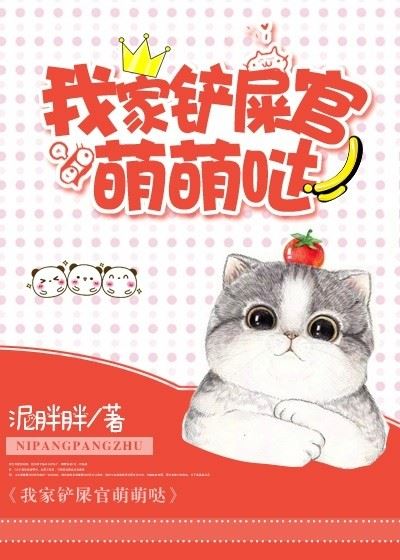
... Read More
Okay so this entire dream sequence was a narrative masterclass in misdirection. Xiao Luo goes in thinking he's about to do something romantic or at least intimate with Ling Su, and the author spends like three paragraphs building this heavy sexual tension — the undressing, the “my sweetheart” dialogue, the whole setup. Then BOOM, it turns into him giving a massage? I literally gasped out loud. But what I found even more fascinating was the structural layer beneath: Xiao Luo isn't just experiencing a dream, he's essentially doing emotional reconnaissance. He's trying to “retrieve” Ling Su's memories through dream infiltration, and the system rewards him for it. The irony is delicious — he walks away with +40,000 charm points and +7,403 love points for basically nothing, which sets up this hilarious gap between his actual actions and his in-universe social credit score. The second major plot reveal hits like a truck: there IS no original soul in the orange cat body. Qingfeng found the vessel, the real cat reincarnated ages ago, and Xiao Luo has been inhabiting a hollow shell this whole time. That means when he returns to his body, the cat dies permanently. Not a reset. Not a respawn. An actual death of a vessel he's grown attached to. This reframes everything about the possession subplot and adds a genuine cost to his adventures that the story hasn't really emphasized before.
... Read More
What I love about this chapter is how it plays with stakes on three different levels simultaneously. On the surface, there's the comedic sexual tension between Xiao Luo and Ling Su in the dream — will they? won't they? does he have lubricant? — which the author deliberately builds up only to deflate with a massage scene. That's playful stakes manipulation. Then there's the interpersonal conflict of Xiao Luo trying to navigate his feelings while trapped in a body that can't properly communicate what he's experiencing. He's literally being called “my sweetheart” by the guy he has feelings for while pretending to be a cat, which is both romantic comedy gold and deeply frustrating. But the real stakes hit at the end, and they're brutal. The King drops this information like a guillotine: the orange cat's body has no original soul, and once Xiao Luo leaves it, that body dies. Forever. This isn't a temporary situation with a clean exit. Every hour he spends in this form is borrowing time from a corpse. What does Xiao Luo stand to lose? His entire living arrangement, his companion, and potentially the only stable connection he has to the people around him who actually know the cat. The emotional weight of him saying goodnight to the King and just... lying there processing this changes the entire color of everything that came before. That warm fuzzy dream sequence? It's haunted. The cat that fell from the sky and cuddled Ling Su? It's a ghost that Xiao Luo has been using as a vehicle this whole time.
... Read More
Okay we need to talk about the narrative voice here because the cat's POV is EVERYTHING. "What a great opportunity it was just now, he didn't use it well! He missed 2000 charm points!" This is the opening line and it sets the tone perfectly. We're inside a cat's head who's obsessed with charm points and social scoring. The humor is dry, self-aware, and constant. And then there's the contrast between the cat's internal panic and his outward behavior. Internally: "Oops! Xiao Luo secretly said that it is not good. If there is monitoring, even if he can be specifically confirm that he has not been discovered by others on the way out of the study, it is estimated that it will be difficult to avoid the hidden camera!" Outwardly: Just sitting there looking like a normal cat. The gap between thought and action is where the comedy lives. The dialogue between humans is more straightforward but still effective. Ling Su's lines are practical and caring - he immediately asks about his mother despite being attacked himself. Ling Yan delivers exposition efficiently. Grandpa Ling's actions speak louder than words (that affectionate stare at the cat). But the REAL voice is Qingfeng Daocheng's line: "Lend me this cat first." Short. Commanding. Immediately raises the stakes because now the cat is panicking about being separated from Ling Su. The power dynamic shift in one sentence is masterful. And Xiao Pang's response to being praised - "Xiao Luo didn't know the hexagram when Ling Su was born, but felt that the master's face was a bit thick, and he blatantly praised his apprentice." The cat's interpretation of the master's motives is both funny and revealing about their relationship. The narrative voice balances humor, tension, and genuine emotion without ever settling into one mode. That's craft.
... Read More
There is a specific moment in these chapters where everything just... stops being desperate for a second, and I need to process it. Xiao Luo is sitting at the Ling family dinner, eating from an art-like plate, with warm milk powder specially prepared for him. Mama Ling is smiling. His system pings with a friendly message from a friend. Everything feels good. The text literally says he felt like 'recent self was simply fulfilling all his wishes and everything was going well!' And I just— that's the emotional core of the entire story right there. This isn't about romance or grand stakes. It's about a guy who's been struggling with negative popularity and near-zero love value, someone who's been through hell, having a perfectly normal dinner with people who treat him like family. THAT is the feeling the author is building toward. The friendship threads are doing a lot of heavy lifting too. Luo Baibai inviting him to a charity stream isn't just plot mechanics—it's genuine care. 'I will broadcast live. I want to invite you together.' A guinea pig thinking about its cat friend. That's the kind of warmth that makes this story work. Xiao Luo's internal shame about being unable to help with the earthquake relief while these 'cute little ones' are already taking action—that's emotional depth. He feels inadequate compared to friends who are literally smaller and simpler than him. And yet they see his value anyway.
... Read More
There's a moment in these chapters where the pacing shifts and I had to physically stop myself from skimming. Ling Su leaves the apartment with unfinished work, and the text just... goes dark. Xiao Luo wakes up to find milk cakes and warm milk powder prepared in advance. No drama, no conflict — just the quiet domestic reality of someone who was half-asleep getting cared for while their human went back to actual responsibilities. It's a breathing room scene that I genuinely didn't expect to love as much as I did. Then the chapter pivots HARD into the group chat sequence and suddenly we're in full comedy mode. The guinea pig asking for C language source code, the hamster making excuses about exercise, the macaw being sarcastic — this rapid-fire dialogue sequence is perfectly paced. Each animal gets exactly one beat before the conversation moves on. Xiao Luo solves the problem in under a minute, gets his reward, and then the Husky slides into the DMs. It's brisk, efficient, and leaves you wanting more. What I appreciate most is how the author uses these structural decisions to control reading rhythm. The slow, warm domestic opening contrasts with the sharp, witty group chat middle, and then it ends on that note about negative numbers being "just around the corner." That last line is a mini cliffhanger — not dramatic, but enough to make you click the next chapter. The pacing here is like a good meal: you start relaxed, the flavors intensify, and you finish on a note that makes you immediately want another bite.
... Read More
"Xiao Miao, you can also kiss your host." I literally screamed when I read that. This line alone contains more chaotic energy than entire seasons of animated series. A husky, communicating through a supernatural QQ system, casually offering advice about emotionally manipulating your owner for points. And Xiao Luo's response? Deadpan. Just completely deadpan: "Correction, that is my minion. In addition, I don't have that hobby." The voice here is so distinctly alive. Every character in the pet group chat has a personality that pops off the page despite being... well, pets. Macaw-Coco is the loudmouth elder who's already planning his own demise through flirtation. Chincilla-San Hui is the snarky instigator who immediately calls out Coco's bad decisions. Pudding Hamster-Wu Huan is the toxic enabler who offers 500 charm points to anyone willing to secretly kiss their owner, treating emotional manipulation like a tip-sharing scheme. And then there's White Parrot-Hero, the only voice of reason who drops actual useful information while simultaneously being a flex machine with 28,888 charm points. The narrative voice for Xiao Luo is equally sharp. His internal commentary reads like someone who's been forced to watch the entire human world operate on pure absurdity and has decided to document it with maximum sarcasm. Lines like "This is clearly forcing him to commit a crime" when he learns he can only gain charm through interacting with his owner show a comedic timing that's genuinely impressive. The contrast between his formal, almost academic internal monologue and the ridiculous situation he's in creates this perfect comedic tension. And the author's choice to have pets communicate via what's essentially a Chinese messaging app is inspired. You can almost hear the notification pings, see the read receipts, watch the typing indicators. The whole setup feels incredibly modern and relatable - it's just that instead of office workers complaining about their bosses, it's animals gossiping about their humans. The humor lands because the emotions are real even when the context is absurd.
... Read More
There's this one moment - just a few lines, really - that I kept coming back to. Ling Su waking up, opening his eyes for the first time in what the text describes as a night where he had "no dream," and feeling something he's apparently never felt before: that he slept "so peacefully and securely for the first time in his life." Just four sentences setting up an entire emotional foundation. Then the camera pulls back to show us why. The morning sun is streaming through the window. Ling Su is lying there, described with this almost reverent language - "like a sleeping beauty, full of temptation and confusing to the mischievous little orange cat, and becomes more attractive than the dried fish." The cat, whose entire survival depends on charm points and who usually views his owner through a utilitarian lens, is caught in a moment of genuine awe. The dried fish comparison is perfect because it's both funny and deeply sincere at the same time. But what makes this scene work isn't just the imagery - it's what the world-building enables. This is a world where pets have secret digital lives, where charm value is a measurable currency, where a group chat connects animals across different homes and cities. Yet the most powerful scene in these chapters takes place in complete silence, with no system notifications, no group messages, just a human and a cat existing in the same sunlight. The world-building recedes entirely and what's left is pure atmosphere. Xiao Luo spending thirty seconds just watching his owner, calculating the cooldown timer on the kiss mechanic while simultaneously being unable to look away - that's the worldbuilding serving the emotion rather than the other way around. The magic system doesn't intrude; it frames it. We know exactly what the stakes are (charm points, survival, competition with a nine-kiss-per-night husky) and yet the scene still breathes because the author trusts us to feel the weight of those stakes without spelling them out.

Leave a comment

You must be logged in to leave comments. or
