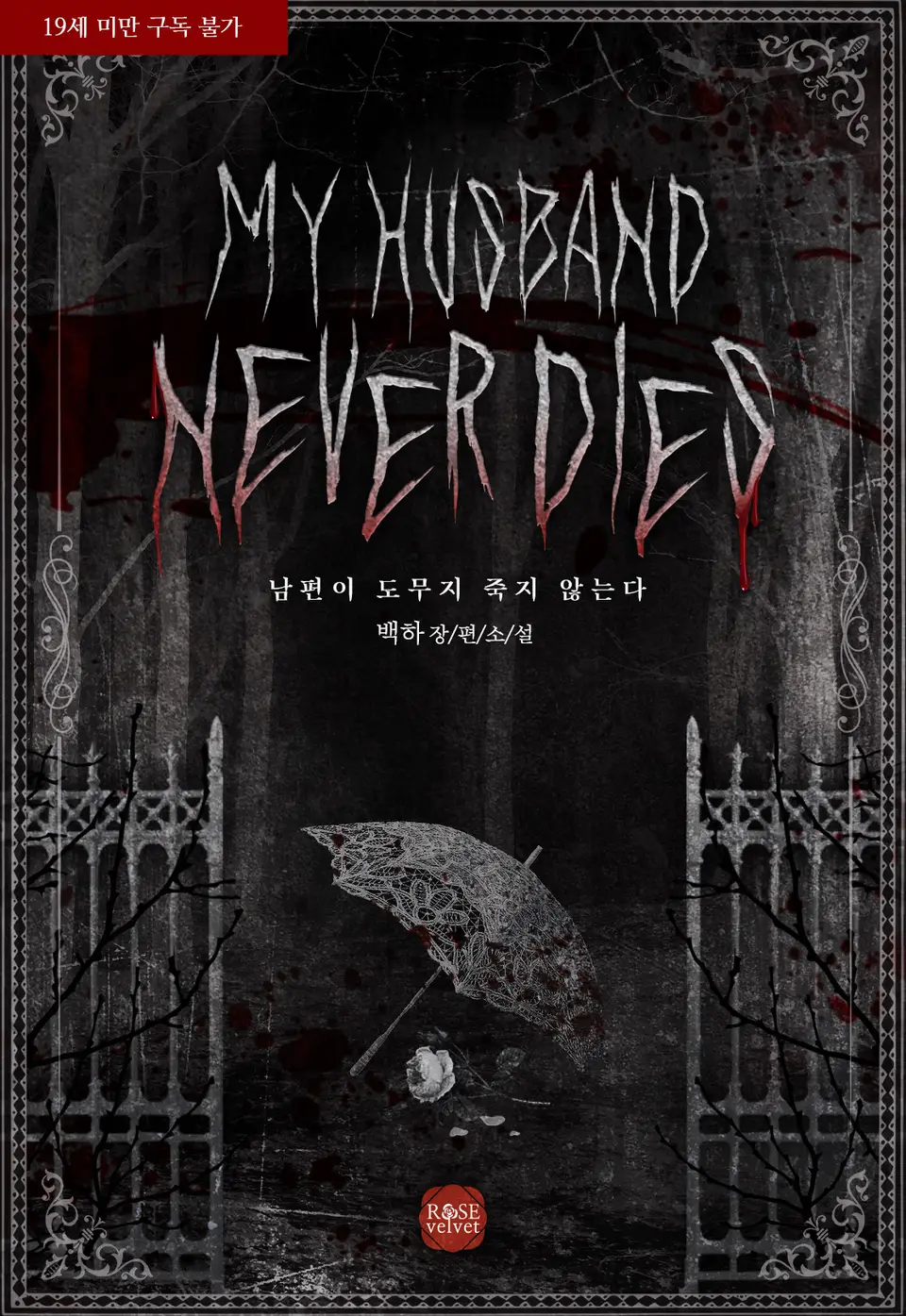
I need to talk about the dialogue in these chapters because it is razor-sharp and I am shook.
The author's approach to conversation here is anything but naturalistic — and that's intentional. Every line is loaded. Every exchange is a power move. Nobody in this story says what they mean. They say the opposite of what they mean, they say things that sound like flirtation but are actually threats, and they say things that sound like threats but might be confessions.
Take the Duke's opening lines: "It's amusing, you know. The discarded daughter of Princess Rowena? Why is it that you're showing up now?" This is him establishing dominance in the first three sentences. He's not asking questions — he's cornering her. The casual tone is what makes it devastating. He's not angry. He's not suspicious. He's AMUSED. Like she's a bug he's already pinned to the board.
Then there's Evelyn's dialogue, and this is where it gets interesting. She's performing — "Your words are too much. I've had a hard life, but I've done nothing to deserve to be disparaged in such a manner by Your Grace." This is exactly the speech of someone reciting lines from a script, which is kind of the point. She was TRAINED by Madame Kelly to say these things. She knows the words, but the delivery is always slightly off, and the Duke can tell. His response is perfect: "You seem quite skilled at approaching men. If I've misunderstood, I apologize, my lady." He's mocking her performance while pretending to compliment her.
My favorite exchange has to be:
"It doesn't matter what you were."
Short. Brutal. Dismissive. He's reducing her entire identity — her training, her reputation, her carefully constructed persona — to something that doesn't matter. And then later: "If you end up pregnant, it wouldn't matter anyway." That recurring phrase — "it wouldn't matter" — is almost philosophical. To him, nothing matters. Her life, her mission, her feelings, her pregnancy. None of it changes his trajectory.
The author's narrative voice is also doing incredible work here. There's this dark, almost ironic tone that matches Evelyn's internal state. Lines like "Her heart stopped. No matter how composed a man seemed, he knelt before extreme poison" have this bitter amusement that makes you laugh and cringe at the same time. And then:
"Yes, think of it as a dream."
Two words. Two sentences. The most chilling line in the entire batch. He's not threatening her. He's not even angry. He's offering her a narrative — a way to pretend this never happened. But the implication underneath is clear: he WILL make her forget. Or he WILL make her remember something entirely different from the truth.
The dialogue never lets up. Never. Even the silences speak. When Evelyn closes her mouth and turns away from his hand, when she stops protesting and just breathes — those moments of silence are more vocal than any of the actual words. The author understands that in a scene this charged, what characters DON'T say is the loudest thing in the room.