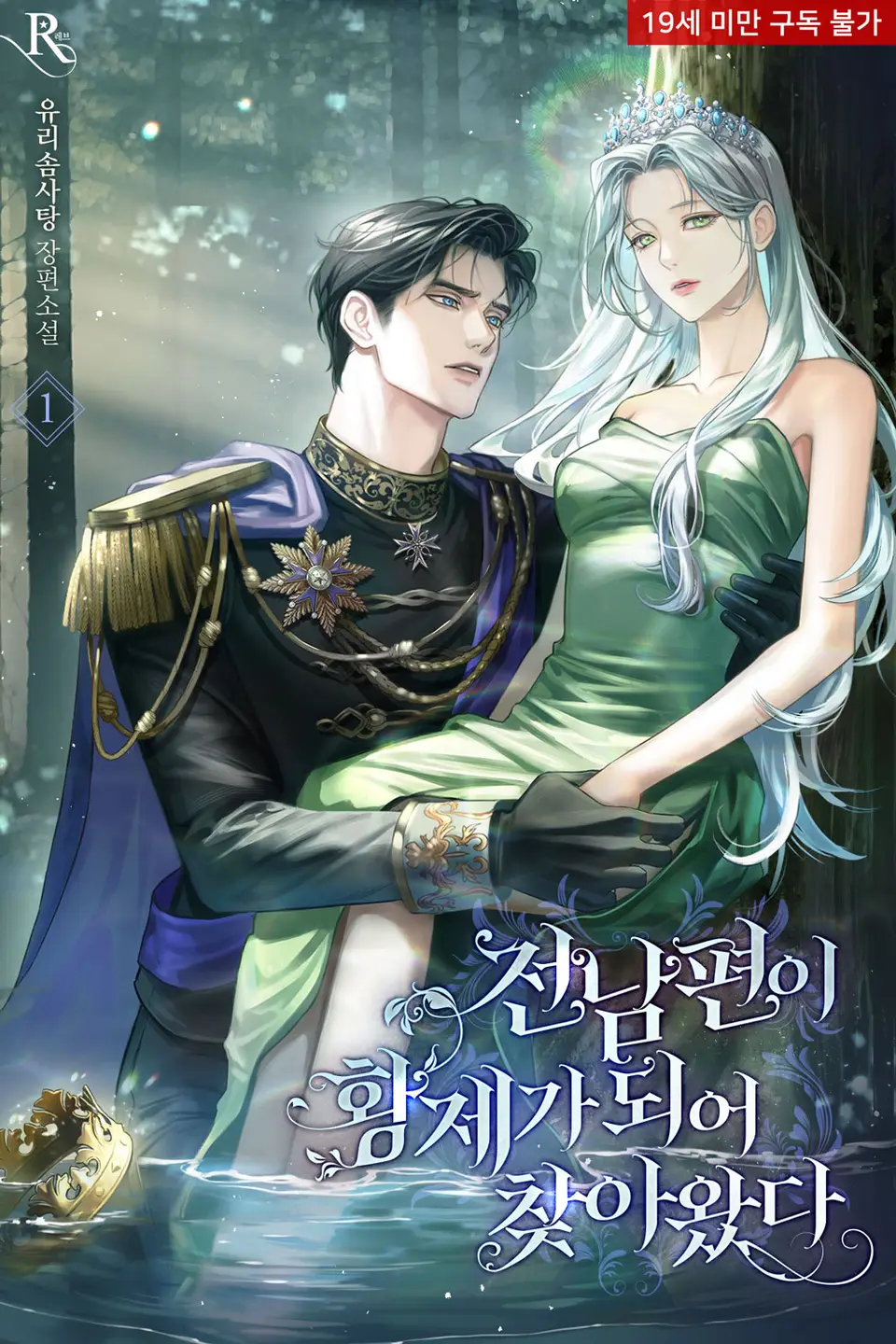
"Beneath such verdant trees — he recalled Larie's silver hair, blending into the scene like a forest nymph. Her vivid green eyes that glowed even in the darkness."
I just — the author writes SET PIECES. Let me be clear about this. The imperial palace garden scene with Terian remembering Larie is not just a pretty description, it's a whole emotional beat wrapped in visual language. Silver hair against green trees, glowing eyes in darkness — this is cinematic. I literally saw this in my head like a wide shot pulling back.
Then you cut to the Grand Duke's mansion and the shift is immediate. Antique couches, expensive fabrics, cold refreshments, and Larie sitting like a statue the entire time. The author doesn't need to say "this house felt oppressive" because the details do the work — Gafel lounging across furniture like he owns it (because he does), the tea being kicked over, the mother offering pills instead of dessert. Every object in that room tells you something about power and control.
But the scene that lives in my head rent-free is the ending. Terian at a small table, staring out the window, the new moon risen with no light, the world swallowed in darkness. That image — a man alone in darkness unable to sleep, his thoughts consumed by a woman he won't admit he's worried about — is pure mood. It's the kind of ending that makes you close the chapter and just sit with it for a minute.
And the wartime flashback? Espoir Castle, the husband-and-wife knights holding the gates until they die, the early winter catching the enemy off guard? That's worldbuilding through history, not exposition. You learn about this world's values, its wars, its legends — all through a character's passing thoughts. Masterful.