I have to talk about the visual language in this passage because it is STUNNING.
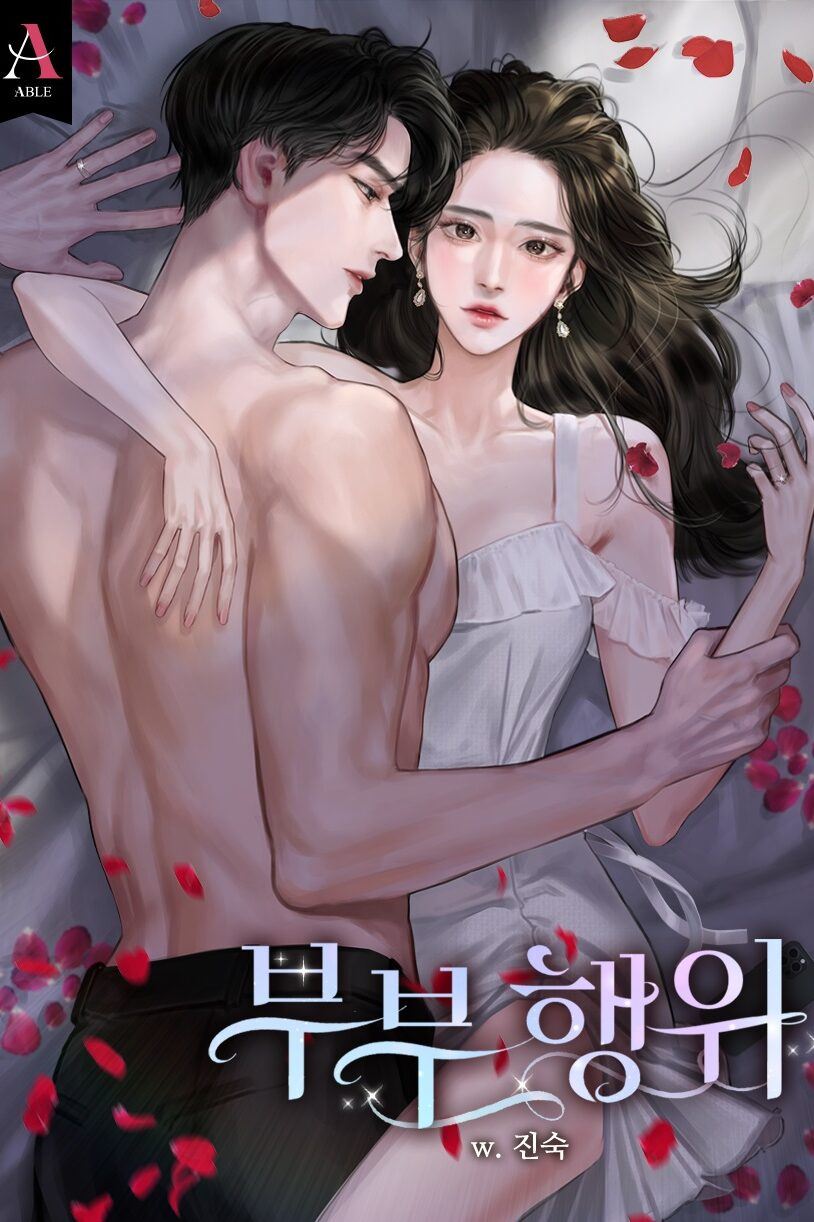
Seo-hoo's POV describes Da-hye like this: “Among the myriad colors around her, she stood out, looking strangely like a blank sheet of pure white, untouched by anything else.” And I just — I need a moment. This is such a vivid, deliberate image. Everyone else is dressed in “dazzling, extravagant gowns,” drowning in color and display, and Da-hye is in white. Simple. Clean. Unmarked.
The text goes on to describe her dress in specific detail — “soft white fabric, adorned with delicate frills that were subtle enough not to feel excessive” — and her “light makeup,” her hair pinned up, the graceful line of her neck. No jewelry, no flash. And yet, “Da-hye alone seemed to shine brilliantly.” This is Seo-hoo's first impression of her, and it tells us EVERYTHING about what draws him to her. She's not performing. She's not trying to outshine anyone. She's just... there. Authentic in a room full of facades.
Then you have the Black Ticket itself — “completely black with no writing on it at all. Yet beneath the lights, it exuded an overwhelming sense of authority.” I love that description. No logos, no fancy calligraphy, just the POWER of what it represents. The exclusivity is almost arrogant in its minimalism.
The exhibition hall setting matters too. This is a space where everyone is performing status — the guests, the family, Ji-hoon with his calculated arm around Da-hye. And Da-hye, in her white dress, is the only person not playing along. Which is exactly why Seo-hoo notices her first.
The contrast between the gilded, superficial world of UJ Group's elite parties and Da-hye's quiet whiteness creates this incredible visual tension. It's cinematic. I can literally see the camera panning across a room full of glittering extravagance and landing on one woman in simple white.