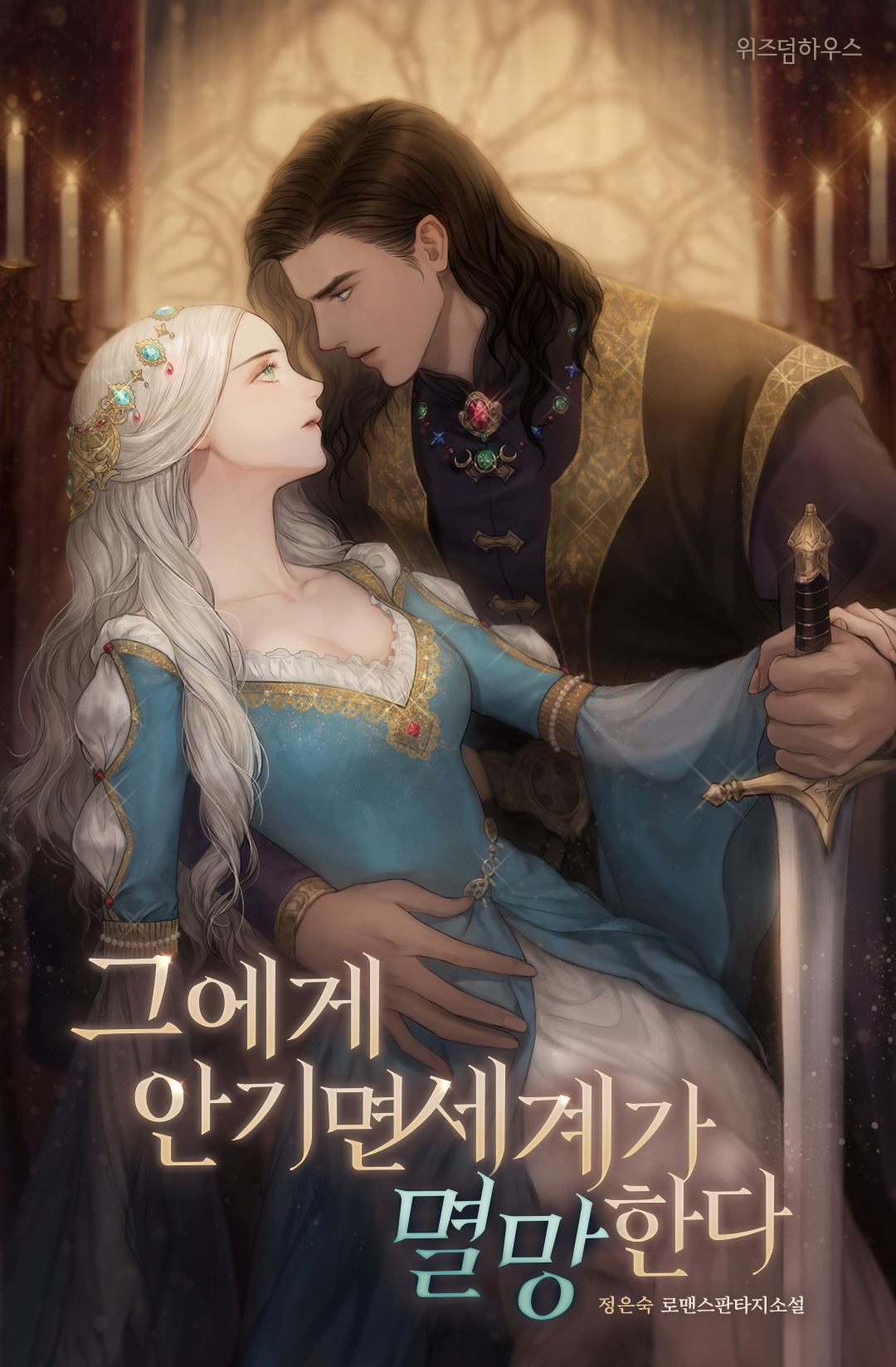
Let me tell you, the deeper this book goes, the more I realize it's not just a revenge/time-travel fantasy. It's actually asking really uncomfortable questions about power, purity, and who gets to decide.
The central symbol—and honestly it's pretty blunt, which I respect—is Anel herself. She's the 'last trace of God remaining in this world.' That's not just flavor text. That means her body, her purity, her virginity are literally the currency of divine favor. When the Emperor violates her, the world ends. Not metaphorically. Literally. The entire planet gets wiped because her 'sanctity' was broken.
Think about what that means. A woman's value—her bodily autonomy, her sexual experience—is cosmically significant. And Meta's response isn't 'oh well, let's fix this.' It's 'this world is ruined, I'm starting over.' Anel is so consumed by guilt that she begs for a second chance, and Meta essentially says 'fine, try again, but don't mess it up this time or everyone dies.'
The concept of 'Epomeni'—the next saintess, the pre-awakening phase—is also loaded symbolism. She's not yet a person. She's a vessel, a placeholder, a container for power that hasn't activated. And when does she become real? Only when her body matures, only when she 'blooms' into full womanhood. Before that, she's practically invisible to the political world. After that? She's the most valuable object on the planet.
The mirror scene when she wakes up two years in the past is heartbreaking in a way I didn't expect. She looks at her boyish, undeveloped body and realizes—this is the body that will attract the crown prince. This is the body that will start the chain of events that destroys everything. She can't change her appearance. She can't change the fact that her body will bloom. So what can she actually control?
"The blessing of God must be spread equally throughout the world. That is the sacred promise with God Meta!" — one of the handmaidens says this. But the whole setup undermines it. The saintess belongs to the temple, not to the world. Her power is hoarded, not shared.
And the Emperor's justification—'I'll liberate you from the pimp who has bound you'—is the most disgusting ideological move in the book. He reframes sacred confinement as imprisonment, divine purpose as exploitation, because it serves HIS purpose. That's how ideology works. That's how conquerors justify conquest.
The time loop itself is a symbol of trapped agency. Anel gets sent back, but she's still bound by fate, by prophecy, by the expectations of a system she didn't create. Can you really escape a net when the rules of the game were designed to catch you?