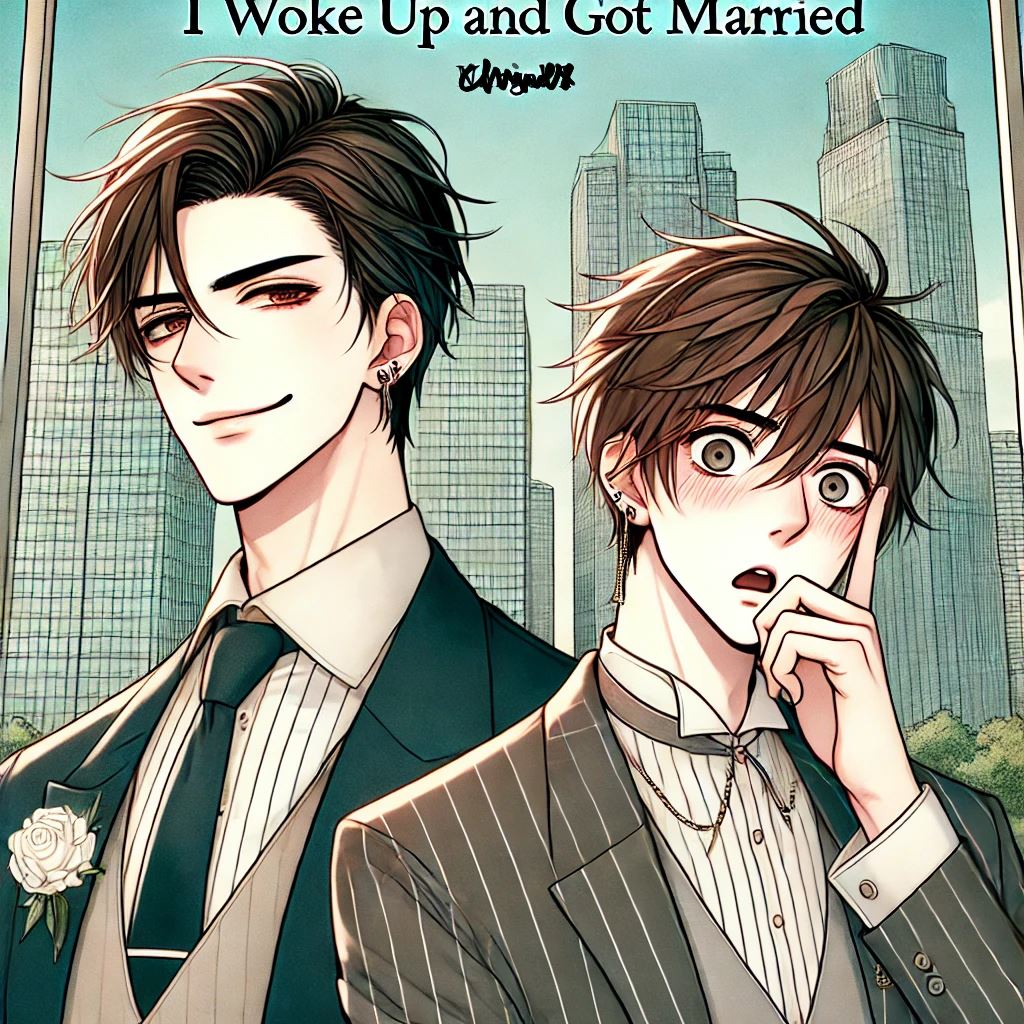
Let me be honest—the first thirty pages of these chapters feel like a slow walk through a sunlit room. Tang Jin is annoying, Zhou Minru is crying, Chi Suinian is tired. Nothing is happening. And yet, I was glued to the page. Here's why: the author is using what I call submarine pacing. Everything you see on the surface is calm, but beneath it, every sentence is doing double duty, building tension you don't notice until you look back.
Take the hospital scene with Tang Jin. On the surface, it's comic relief—Tang Jin being Tang Jin, grossed out by Chi Suinian ripping out his own IV needle. But structurally, this scene accomplishes three things: it establishes Chi Suinian's relationship with his own body (he hates hospitals, he's reckless with his health, he'd rather bleed than wait), it reveals that Lu Zhiyue called Tang Jin to pick him up (relationship information delivered through third-party report, which is more believable), and it gives us Tang Jin's exposition dump about the drinking contest with Cheng Song, which the plot will need later.
The Zhou Minru visit is where the pacing really sharpens. It starts warm—a visiting aunt, homemade soup, concern—and then steadily cools as Chi Suinian realizes she's been informed by Chi Mingyao. The temperature of the scene drops by degrees, not all at once. By the time Chi Suinian promises to help with Chi Yu, you can feel him retreating into himself. The soup left on the table at the end? It's a symbol of a kindness he can't quite receive, and the fact that he just stares at it unmoving is more powerful than any dramatic dialogue could be.
The chapter ends on an incomplete sentence—'Book me a flight t'—which is a classic cliffhanger that works because it's so casual. It's not a dramatic reveal; it's just life continuing, and the interruption makes you lean in. This is confident pacing. The author trusts you to feel the weight of what isn't said.