There are two images in this batch that keep coming back to me, and I think they're meant to be read together.
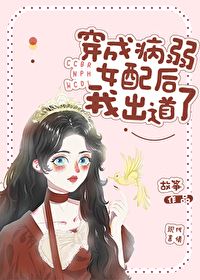
The first is the description of Jiang Su: 'Just looking at her, one would instinctively want to place her in a glass showcase, crafted with the finest gold, to shield her from the world.' This is Yan Yucheng's perspective, and it's loaded. A glass showcase protects something precious—but it also traps it. It turns a living person into an object to be displayed. And Yan Yucheng, the new boss who was just pulled from a construction site and handed a company, is already seeing people as assets to be managed.
The second image is Jiang Su walking home at dawn, eating dry buns from a convenience store, feeling the first light stretch across the horizon. This is freedom. This is the opposite of the glass showcase. She chose this life—not the entertainment industry dream, but the actual daily grind of running at 6 AM, buying cheap food, surviving on her own terms. The original owner of this body might have been desperate for fame, but Jiang Su is treating this like a mission, and missions have purpose.
The contract itself is the third symbol. Eighty percent to the company, thirty years of bondage—that's the entertainment industry as a system. It consumes young people and spits them out. Yan Yucheng doesn't even understand what he's signing, which says everything about how disconnected the new management is from the reality of the people they're exploiting.
Jiang Su walking away from that contract isn't just a plot point. It's a statement. She refuses to be caged. She refuses to be displayed. And the fact that the director has to scramble to fix it—changing it to fifty-fifty, five years, clear terms—shows that when someone refuses to play by the old rules, the system actually has to adapt.