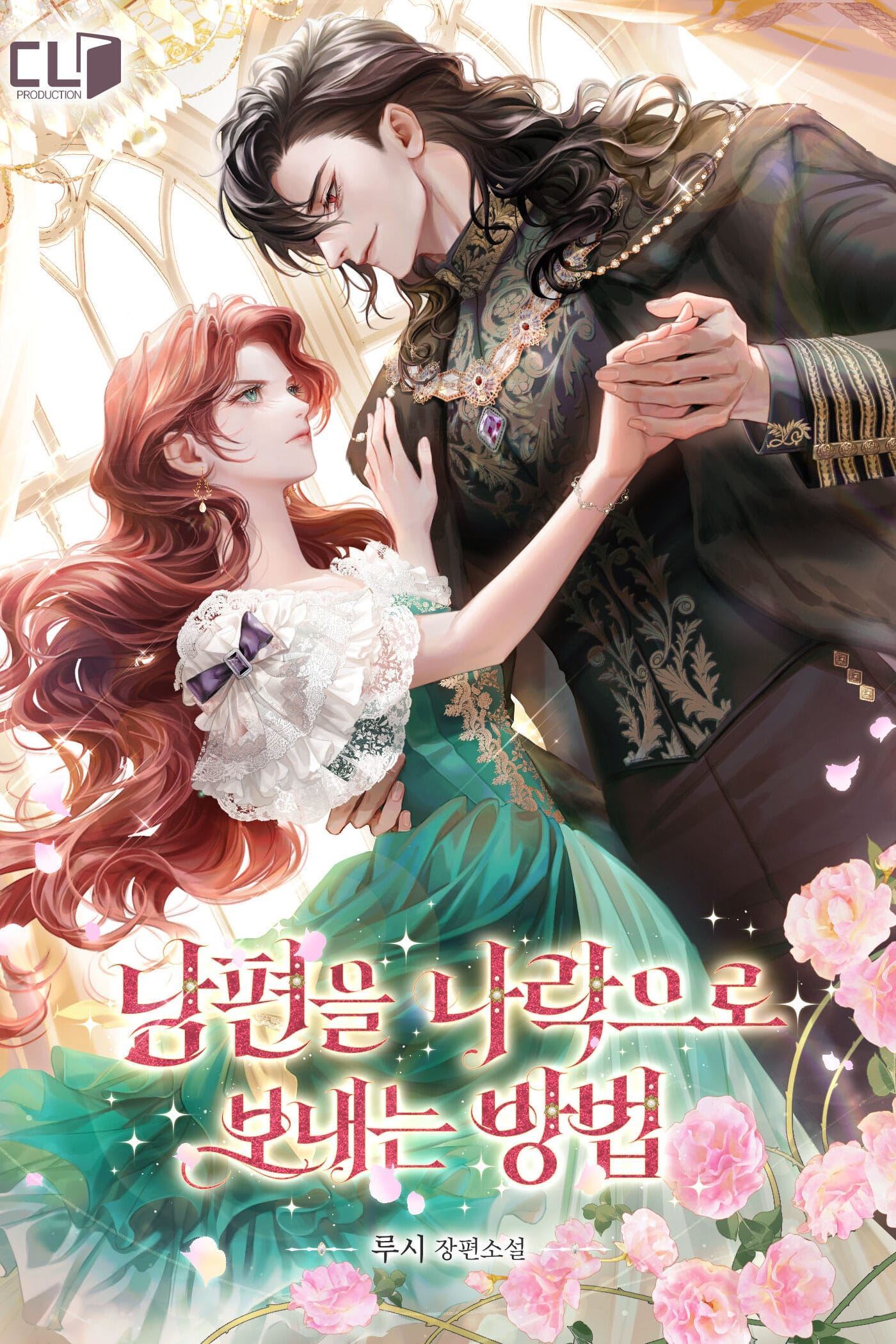
This entire passage is obsessed with marriage as a concept, and not in the fairy-tale way. It's a transaction, a weapon, a prison, and a possible escape — all at once. Let me unpack this.
Helena's suitors could "easily wrap around the entire Winston estate" and then some. That image of line of marriage proposals circling her home like snow melting is so visceral. Marriage proposals are literally as common to her as stones on the road — but stones are everywhere, they mean nothing individually, and they're something you trip over. The metaphor does so much work there.
The Empress's deal with Helena is the central symbol of this section: a marriage that is both a sentence and a salvation. On the surface, Helena is being sent away, punished, removed from the capital like a inconvenient piece on a chessboard. But the Empress frames it differently — "this is your chance to truly live as yourself." A title and land mean independence. Marriage normally means losing autonomy for a noblewoman, but here, the marriage is the mechanism through which she might gain freedom. It's irony wrapped in duty wrapped in deception.
Count Ishpern accepting the proposal eagerly, like a loan shark collecting a debt — what does that symbolize? That Helena is being commodified at every turn? That even her escape is someone else's collection? The booger story, dismissed as too ridiculous to tell the Empress, is actually the truest thing Helena knows about Rufus. It's the anti-romance. While everyone treats this like a love story or a scandal, the real Helena remembers a boy who picked his nose. The symbolism is that the authentic memory destroys the romantic narrative before it even begins.
And the Empress's garden itself — beauty masking calculation. Flowers blooming in every season, trees like curtains, marble tables. Everything elegant, everything controlled. Nothing grows wild there.