How to Send My Husband to Hell - Reviews

How to Send My Husband to Hell
+Add to Custom List
Sort
Add review
... Read More
The dialogue in this book is sharp enough to cut glass. Let me just highlight a few moments because the author really knows how to make characters SOUND distinct. First, Helena's inner voice is *chef's kiss*. While standing at the altar saying her vows, she's thinking things like "Lunatic" and later, after Benjamin touches her face: "That crazy bastard." Her internal monologue is equal parts terrified and furious, and it creates this incredible gap between what she says aloud (stiff, formal vows) and what she's actually feeling (pure, unfiltered rage). The contrast is comedy and tragedy at the same time. Then there's the exchange with her parents. Count Winston practically howls "Helenaaaa...!" and when she blurts out "I didn't sleep with His Highness the Crown Prince," her father's face turns from red to prune-purple. The Countess's response — "whether it was A or C, that's not the point" — is such a perfectly exasperated mother line. You can hear the voice in your head immediately. And Rufus's dialogue is deliberately different. Where Helena is sharp and defensive, he's almost dreamy. "Helena... you're so beautiful, so full of freedom..." he murmurs, completely lost in his own world. It's romantic in a way that should feel sweet but instead feels deeply unsettling because of the context. His voice is soft, poetic, and dangerously sincere. The author is using dialogue to tell us everything about these characters without ever stopping to explain it directly. That's skillful writing.
... Read More
Okay, so let me just say this — the pacing in this batch is absolutely surgical. The author knows exactly when to linger and when to sprint, and it's not guesswork. The chapter opens with something almost meditative — Helena on the watchtower, taking in the landscape. This is the calm. The wide shots. We're breathing in the beauty with her. It's slow, deliberate, almost lazy. And then — boom — 'The count is the problem.' The pivot is so sudden it's jarring, and that's the point. The peace was always temporary. From there, the castle inspection scene is methodical but never boring. Why? Because the author dots it with micro-tensions. Every locked door is a tiny cliffhanger. Every mouldy book is a small tragedy. The library scene with Joe is a great breath between the heavier moments — it's darkly funny ('Ugh, what a pile of fungus') but also sad. And then we go straight back into the downward spiral of the second floor. The pacing never lets you settle. But the real structural genius is the dinner scene. It's contained — one room, two people, one meal — and it unfolds in courses like a symphony. Starter: Helena establishes her authority. Second course: Benjamin pushes back. Main course: the personal attacks begin, the rumours surface, the temperature rises. Each course escalates the conflict naturally, and the food descriptions aren't decorative — they're punctuation. The cracked bread, the squeezed lemon, the bone-crunching bird. Each one marks a beat in the argument. And then the ending. The text cuts off mid-sentence — 'I didn't exactly pl' — and you are JUST THERE. That's not sloppy writing, that's a deliberate cliffhanger. The author has been building this tension since page one and refuses to release it before the chapter break. What's interesting is that the middle section — the worker recruitment and the evening reflection — provides a genuine breather. It's almost soft. And that contrast makes the dinner scene hit even harder because we've had time to relax before the trap snaps shut. The author understands that tension needs relief to be effective. You can't redline the whole time — you need valleys so the peaks feel higher.
... Read More
The dialogue in this section is absolutely razor-sharp. Let me highlight some of my favorite exchanges. First, the dance conversation. Benjamin's line "This may be our first meeting... would you do me the honour of the first dance?" is crafted perfectly—formal enough to be a count, smooth enough to be dangerous. And Helena's reply is iconic: "Even if we danced from the first song to the last, I doubt anyone would object. After all, we'll be husband and wife by morning." She's testing him, provoking him, and completely unaware that she's dancing with a wolf. The author uses dialogue to build tension masterfully. Every whisper, every murmured compliment, every loaded phrase carries double meaning. "The night is long, after all" — that line from Benjamin is probably the most seductive and threatening sentence in the entire book. And then the garden scene absolutely pivots the tone. "Don't talk nonsense." "This marriage is about money. Nobles... they disgust me." "A typical depraved noblewoman." The dialogue here is stripped of all romance. It's cold, clinical, almost bureaucratic. He's discussing her future like a business transaction. "I'll have spent the dowry by then. She can go back with nothing." Said with the same casual energy as discussing the weather. The contrast between the ballroom dialogue and the garden dialogue is the author's signature move. Same setting, same characters, completely different tones. And then there's Crown Prince Rufus's apology scene. The man stammers and protests and gets aggressively shut down by Helena. "I wouldn't even do that to my parents' worst enemy!" — Helena's dialogue throughout is perfectly calibrated. She's sharp, cutting, deeply witty, and refuses to be victimized even when she clearly is. The author gives each character a distinctly different voice: Benjamin's polished menace, Helena's controlled fury, the Empress's implied power, Rufus's frantic desperation. Even the minor characters like Sir Stan have distinct personalities in just a few lines. The narrative voice itself is wonderful—Helena's internal thoughts are funny, self-aware, and occasionally unhinged. That laugh at the end: "Hoooonk-" is comedy gold.
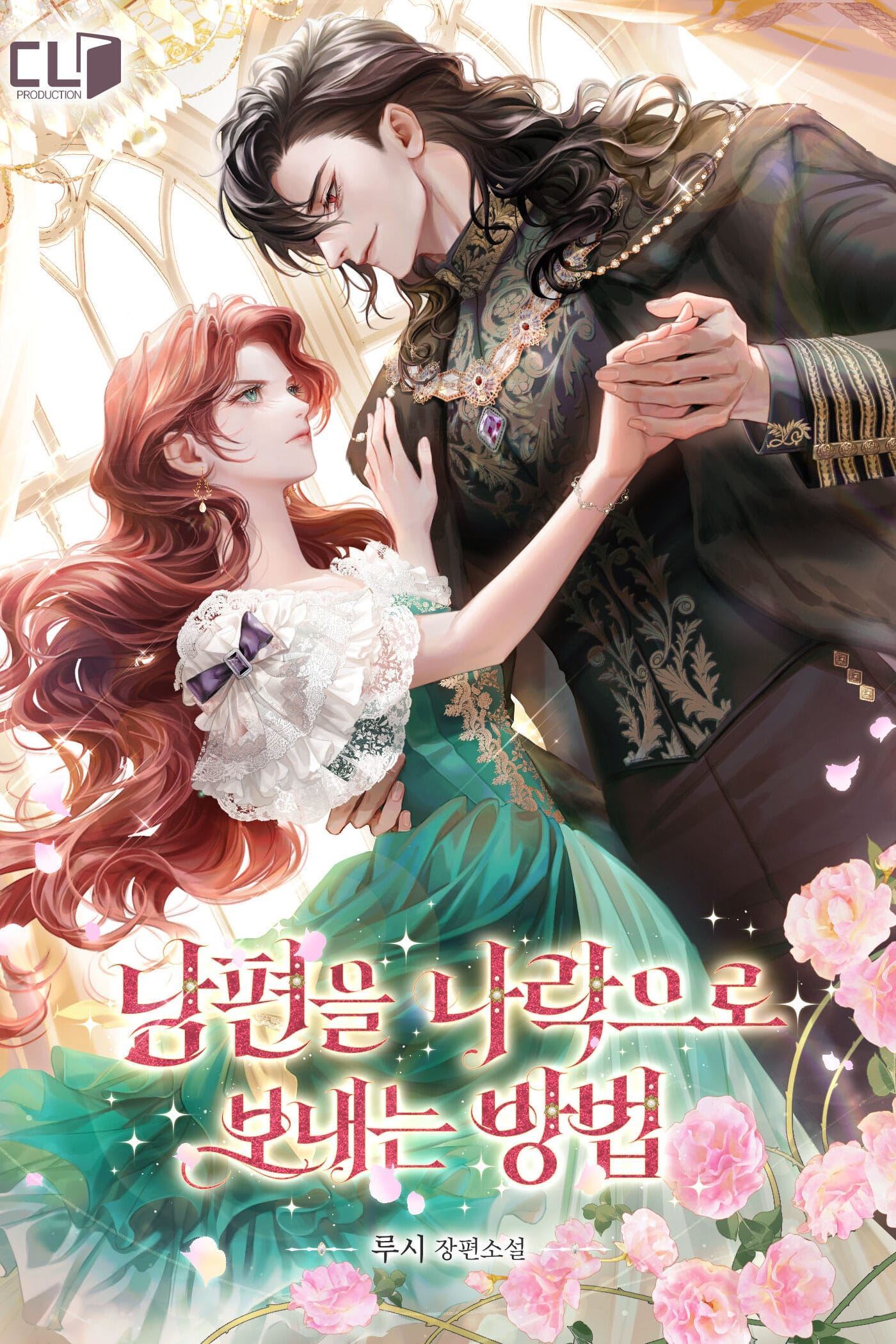
... Read More
The stakes escalation in this section is a masterclass in tension building. At the beginning, the conflict feels almost playful—two people figuring out whether they can stand each other. Helena's internal voice is mostly amused and slightly flustered. She's worried about writing an apology letter to the Empress, not about anything dangerous. Then the garden scene changes everything. The stakes jump from "will they fall in love?" to "will she survive this marriage?" Helena overhears that Benjamin sees her as nothing but a source of money, plans to isolate her, and has no intention of treating her with basic human decency. The external conflict is now crystal clear: a woman about to marry a man who wants to exploit and discard her. But the internal conflict is even more interesting. Helena was genuinely attracted to him. The attraction wasn't fake—it was real, built through exquisite choreography of proximity, touch, whispered words, shared glances. So her decision to stay and fight isn't just strategic; it's personal. She's choosing to marry the man who hurt her because she's too angry to walk away. The author makes the stakes feel genuine by giving Benjamin real power. He's a count with vast lands, connected to dangerous groups, financially desperate but socially dominant. Helena is technically the one with the dowry, but she's also young, unmarried, and entering a hostile situation. The subplot with her admirers getting drunk and gambling adds comic relief but also shows the broader social web—everyone has opinions about this marriage, everyone is invested, and everyone is being manipulated in different ways. Sir Stan's challenge to the hunting competition at the end introduces a new layer of conflict: these men want to prove themselves, and Benjamin is about to walk into their territory. The suspense is multi-layered—will Helena uncover his secrets? Will she survive the marriage? What is Benjamin truly connected to? And what happens when all these angry men find out he's broken their queen's heart? The author leaves us on multiple cliffhangers simultaneously, and the stakes have never felt higher.
... Read More
I need to talk about that opening scene because the imagery in it is actually insane. The parlour doors bursting open, Adela dressed in "a gown of glittering pearls" — she looked like a human chandelier, which is such a great description. It immediately tells you everything about her: expensive, showy, fragile, and completely outmatched by the actual power in the room. And then the Empress appears in crimson robes dragging behind her. Every person who walks into that tiny lounge has an entrance. It's like the space itself keeps escalating. What's clever is how the author uses spatial compression to heighten the drama. This is described as a tiny lounge tucked away in the side of the central tower, and yet somehow it becomes the most important room in the palace. Three people burst in sequentially — Adela, then the Empress, then everyone's life gets upended. The physical constraint of the space mirrors the social constraint Helena is under: there's nowhere to hide, no escape route, no private corner to collect yourself. Then the scene shifts to the Empress's Garden and the contrast is immediate. Marble table, old garden trees draping leaves like curtains, vibrant flowers blooming in every season. This is a place of calm, of power that doesn't need to announce itself. The Empress sipping tea while she dismantles Helena's future is such a cinematic image. The setting is almost TOO beautiful, which makes the conversation even more chilling. The garden feels like a painting — and Helena is the subject being rearranged. And then the south, Berwood, Count Ishpern's domain — all referenced but not shown yet. The author is building a world that feels vast by contrasting intimate, detailed spaces with ominous mentions of distant lands. I can picture the Winston estate, the central tower, the garden, and the unknown south all existing in my head simultaneously. That's good worldbuilding.
... Read More
Okay so Rufus shows up and basically says "let's run away" and at first I was genuinely charmed?? Like, imagine just vanishing together, starting fresh in some secret inherited estate. But the moment I actually thought about it — wait, they literally have NO money, NO plan, and Helena is already married off to some dangerous guy. The text even says so herself: "And yet, strangely… it was tempting." But then she forces herself to hold onto sanity. That's the plot right there — the story keeps dangling these escape routes and then deliberately slams them shut. Rufus falling off the balcony? Benjamin shooting an arrow? The wedding going forward anyway? Nothing escapes. The only "way out" is the one Helena already has — becoming the Empress's spy inside Benjamin's house. Which is way darker and way more interesting than running away with a prince. The narrative arc here is: fantasy → harsh reality → calculated revenge. And I'm here for it.
... Read More
Benjamin Ishpern is, without a doubt, one of the most deliciously villainous fiancés I have ever encountered. The way the author constructs him is pure manipulation on every level. On the surface: impossibly handsome, divine eyes, a body that could start wars, sweet murmured words that make you feel like you're falling into golden honey. But underneath? He's counting dowries and planning to jail his bride in a separate wing. The scene where he sneers about "a typical depraved noblewoman" and says he thought he could just "pretend to check on her every now and then" — I literally gasped. This man looked Helena in the eye during that dance and smiled at her like she was the only person in the world, and then walked away to tell his knight she was nothing but a walking purse. What's fascinating though is that this isn't one-dimensional villainy. There's this weird vulnerability in his bitterness. He calls himself penniless, admits the formal wear rental exceeded his budget. He's ambitious but trapped, which makes him dangerous rather than purely evil. And then there's Helena's transformation. At the start of this section, she's barely resisting the attraction. By the time she's rolling on her side laughing maniacally, she's become someone else entirely. "That bastard..." She bites the bedsheets. She plans to ruin him. The relationship dynamics here are so twisted and I am here for it. Also can we talk about Crown Prince Rufus showing up on her balcony the next morning? The man who presumably confessed his love at the ball and caused all this chaos is now trembling outside her window like a guilty puppy. Helena's instinct was to push him off. I respect it. Their history clearly involves complicated feelings and public humiliation, and the fact that he chose her wedding morning to apologize is either incredibly brave or incredibly stupid.
... Read More
The emotional whiplash in this section is unreal. Let me just recount the journey: Helena enters the ball feeling cautious, maybe a little suspicious of this arranged marriage setup. Then Benjamin takes her hand, smiles that crooked smile showing his sharp white canine, and whispers for the first dance. The author describes his voice as "sugar syrup dripped directly into her mind" and honestly I understood. There is something devastating about that specific moment when you realize someone has completely disarmed you, and the best part is the narration makes you feel it physically. Helena's internal panic—"I'm in trouble"—while simultaneously being completely captivated. And then the absolute gut-punch of the garden eavesdropping. One minute she's thinking she might need to write an apology letter to the Empress for falling too hard, and the next she's hearing the man she's about to marry call nobles disgusting and plan to financially destroy her. The way the author handles her emotional collapse is so raw. She doesn't scream or cry immediately. She just... stops. Returns to the banquet hall like a ghost while everyone cheers congratulations. Stares blankly. Says she's not feeling well. The physical description of her face growing "almost bluish" tells you everything about the shock. And then in her room, the anger finally surfaces. Not sadness, not heartbreak—pure, unadulterated rage. She calls him a bastard, bites the bedsheets, laughs that unhinged laugh into her pillow. The line about wanting to see him "crawling and begging at my feet and licking my shoes" is simultaneously terrifying and kind of empowering. This woman went from near-falling-in-love to full war mode in approximately forty-five minutes. The emotional architecture of this scene is brutal. The author built the romance so carefully that its destruction actually hurts. And Helena's decision to stay and fight instead of running away—that's the most powerful emotional beat of all. She chooses revenge over self-preservation, and the reader roots for her anyway.
... Read More
I need to talk about the STRUCTURE of this chapter because it's doing something really clever and I don't think casual readers will catch it. It opens at maximum tension — the dinner argument, veins bulging, voices raised, "What kind of person says that?" — and it literally DESCENDS from there. The fight peaks, then pivots to the bedroom scene where the tension transforms into something softer, and THEN just as you think it's going to linger in domestic territory, BOOM — next morning, hiring workers, and before you know it she's dressed as a man heading to Goha. The pivot point is SO sharp. One minute she's blowing candle smoke at her husband, the next she's writing thank-you messages on his arm and falling asleep. The chapter doesn't ease into that shift — it just HAPPENS. That's actually really smart because it mirrors how their relationship works: one moment everything is falling apart, the next moment she's using his back as a pillow and he's pretending he didn't notice. And then the tone shift to the travel sequence — Helena complaining about Southern distance measurements while wearing a FAKE MUSTACHE. The contrast between the intense bedroom scene and this comedic travel setup is JARRING in the best way. It keeps you from getting too sentimental. The chapter ends on her seeing an ARMADILLO and screaming. After all that emotional weight, she just goes full comedic relief. The author knows exactly what they're doing with pacing — they give you the feels, then immediately punch you in the face with humor so you don't get too comfortable.
... Read More
I need to talk about Benjamin Ishpern because this guy is WILD. First impression: penniless count with a pretty face, desperate for a rich wife. Fine, we get it. But then he shows up at Helena's bedroom on THEIR wedding morning, grabs her face, and presses his BLOODY hand against her cheek. After finding out Rufus fell from the balcony. "I see now how forgiving you really are." That line. That absolute line. He's not jealous, he's not worried, he's making a point. She protected someone else and he's punishing her for it, wrapped up in this twisted marriage vow. And Helena? She's the Empress's SPY. She's supposed to be gathering intel, not getting manhandled by her own husband-to-be. The power dynamic here is completely flipped from what a typical romance would have. He holds all the physical control in this scene and she's seething underneath, planning her real revenge. This is not a love story, it's a hostage situation with better prose.
... Read More
Okay so let me just get this out of the way — the scene where Rufus drops that confession is absolutely WILD. Not because it's bad, but because of the sheer audacity of it. Like. Adela is literally falling to her knees, the Empress just walked in, and Rufus is over there going "Because... the one I love is you, Helena." What is his thought process?? And Helena's response?? "Your Highness, no. That's not it." Calm. Collected. She's already mentally drafting a three-point explanation and he just—bombs it. She was about to explain that he ate his booger when they were eight years old, and suddenly he's making it a rom-com moment. I love how she immediately follows up with the Rona Creels detail in her head. She's not even listening to him romantically at this point; she's just trying to survive the social catastrophe. But here's what actually got me — the Empress Clarissa moment. Helena has this whole internal thing about how she finds a sense of motherhood in the Empress, and then the Empress says she's disappointed in her. Oof. That hit different. It's not angry disappointment, it's cold, regal disappointment, and honestly that cuts worse. Helena is terrified not just of punishment but of letting down someone she genuinely cares about. That relationship between them — adopted mother energy on one side, desperate-to-please on the other — it's so layered. The Empress isn't a villain; she's a strategist who actually likes Helena but will use her anyway. And Helena knows it. The ending of this batch with Count Ishpern accepting the proposal like he's a loan shark collecting a debt — that unsettled me in the best way. Helena is entering a marriage that everyone thinks is romantic but is actually a spy mission, and she's aware of every single lie being told. I'm emotionally invested but also deeply paranoid for her.
... Read More
Okay, let me just say — the opening wedding scene is an absolute masterclass in dramatic irony. On the surface it's a grand noble marriage ceremony, but everything about it screams that this is NOT a happy ending setup. Benjamin recites his vows first, in this cold mechanical way, and then hands the paper to Helena like he's disposing of evidence rather than celebrating a union. And her reaction? She calls him a lunatic. Internally. During the ceremony. I literally gasped. What I love about the plot structure here is how the author layers revelations. We start with the wedding as the hook, then immediately cut to the scandal — Helena seen with Crown Prince Rufus by both the Empress AND the fiancée. That's a ticking time bomb, and the fact that she tries to defend herself by saying "I didn't sleep with him" while her father looks like he's about to expire from stress is both hilarious and terrifying. The author is playing with two major plot threads simultaneously: the immediate danger of the marriage, and the political landmine she's already standing on. Also — can we talk about how the family dynamic sets up future conflict? The stepmother Mia shedding quiet tears, the half-siblings calling her "Noona," the father who seems too gentle but is clearly pushing through grief — these aren't just background details. They're stakes. If Helena loses everything, she's losing all of them. The author plants these relationships early so every choice Helena makes from here on has real consequences hanging in the balance.

Leave a comment

You must be logged in to leave comments. or
