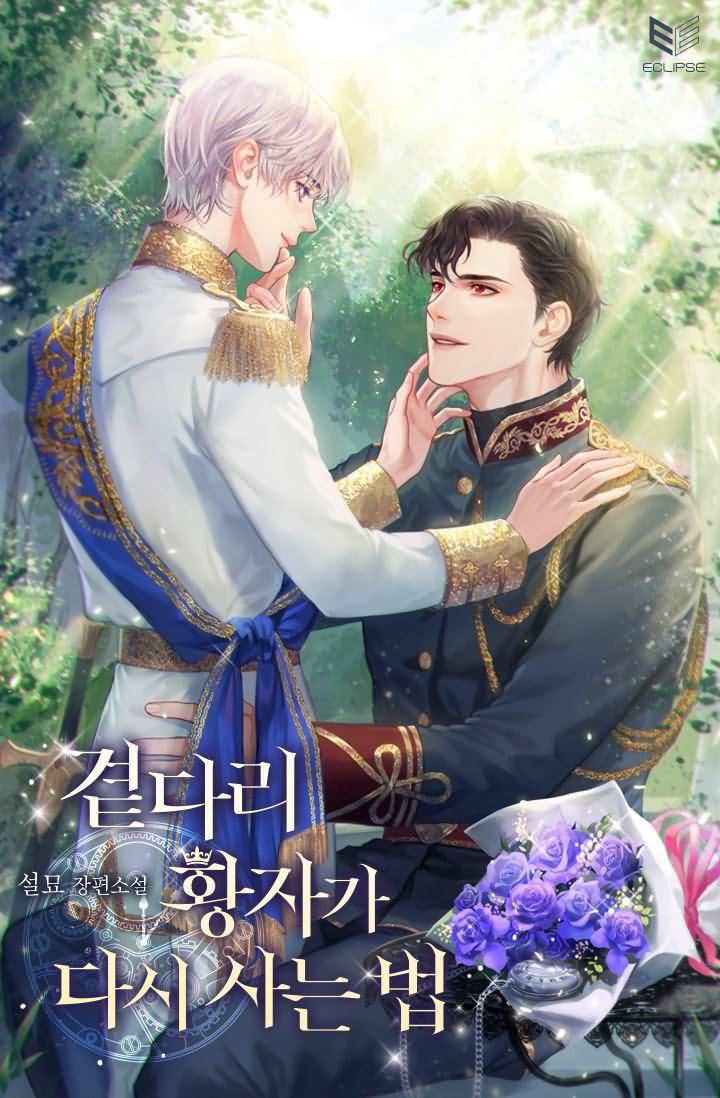
Everyone is entitled to their opinion, and I've generally been someone who observes without commenting (apologies to the translator; I appreciate your work, by the way, please continue doing great work!). I don't like disagreements, but after reading a review, I felt compelled to address a few points. It's important to note that the story isn't about putting the main character (MC) in high-risk situations; it's not an action-packed adventure. In fact, if anything, some might argue that the MC's journey after regression focuses more on mental growth and internal struggles, not external physical challenges.
Regarding the genre blend of Western fantasy, Omegaverse, and palace/political drama, previous reviews and the translator have highlighted that this is primarily a romance novel, with other plot elements taking a backseat. If you were hoping for a grand scope similar to "Turning," this might not be the right fit for you, considering the difference in content and the gradual development of the romance in the series. "Sidekick Prince" is significantly shorter than "Turning," so don't expect extensive world-building or plot complexity.
The world-building in "Sidekick Prince" borrows elements from East-Western fusion, which is common in K-dramas and J-literature. While it doesn't adhere strictly to historical accuracy, that's part of the fantasy genre's appeal. It's been established early on that the imperial family has limits on spouse numbers, with the Emperor having one Empress and one Imperial Consort. Comparisons to real-life historical figures like the Hongzhi Emperor don't justify complaints about the number of wives in the story.
There are supporting magical creatures like shamans, elves, and dwarves, but they aren't the central focus. The MC is a human with fairy blood, and the ML is a knight, so it's reasonable to assume less emphasis on magic or elf-related details. These creatures do have significant moments in the background, though.
Fairy blood plays a crucial role in the plot, explaining the MC's regression and the beginning of his troubles. So, it's essential not to overlook such integral aspects when reading the story.
Regarding the beta characters, they are often stigmatized due to their perceived lack of development compared to alphas and omegas. However, the story handles this theme well, showing that abuse mainly comes from specific individuals rather than the beta status itself. The beta characters are portrayed with depth, even if they don't undergo extensive character growth.
In the Omegaverse context, the rules have been clearly laid out: male betas can only reproduce with female betas or dominant omegas. It's crucial to understand the unique biology of this universe within the story, rather than importing preconceived notions from other omegaverse narratives.
Finally, the work is centered around romance, but it does give depth to secondary characters with their own personalities, backgrounds, and emotional arcs, especially within the imperial family.
In summary, while the story might not cater to everyone's preferences, it offers a well-crafted world with a focus on romance, while acknowledging and exploring the complexities of beta characters and the Omegaverse dynamics.