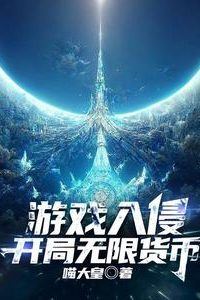
I have to talk about the soul-bound space because it's one of the most vividly imagined sequences I've read in a rebirth novel, and honestly, it sets the tone for the entire story. Picture this: Yun Xi closes her eyes and there's this endless black void, and then a faint glimmer appears, and suddenly—BOOM—this massive red crystal mountain fills her entire mental space. It's not just a storage system. It's a monument. It's a tombstone. It's the thing that killed her in her previous life.
The description is deceptively simple but it lands perfectly. 'A mountain made entirely of red crystals, stacked together and filling the entire space.' I could see this in my head like a still frame from a film. And then the three gemstones hovering at the top—white, eerie green, crimson—each one glowing with its own personality. The Legacy Crystal, the Rebirth Divine Stone, the Slaughter Jade. They're not just items. They're characters in their own right, sitting on that mountain like crowns on a throne that nobody wanted.
But what really makes this scene work is the emotional contrast. This mountain represents unimaginable wealth—trillions of red crystals, enough to reshape her entire second life. And yet Yun Xi's first instinct isn't euphoria. It's caution. 'A treasure makes one guilty.' She immediately starts calculating how not to get herself killed with all this power. The worldbuilding here isn't just about game mechanics or currency conversion rates (though those are satisfyingly detailed). It's about the psychological weight of having too much power in a world that's about to end.
And then there's the Divine Clan backstory—their arrogance, their downfall, the chieftain's dying breath. It's woven in almost casually, but it adds this entire layer of ancient history to a world that already feels massive. This isn't just a game. It's a universe with dead civilizations and lingering grudges.