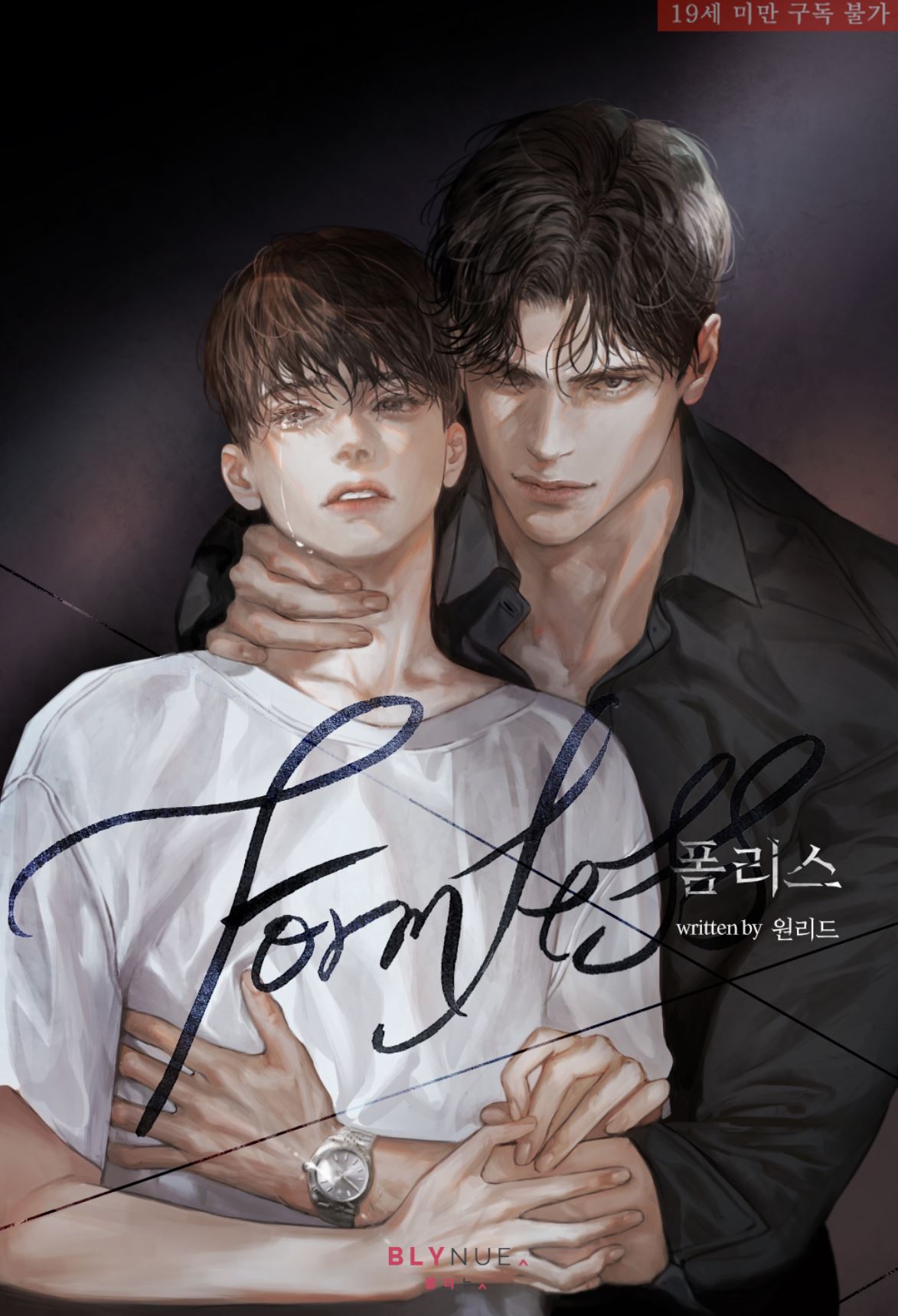
Let me start with the alley. Really. Because this scene opens in what should be the most mundane location possible — a narrow alley, a cat, a major road waiting just beyond the turn. Heehyun smoking a cigarette, Heewoon making a face at his mom's smoking habit. This is everyday life. This is nothing. And the author uses that nothingness to make the violence hit so much harder.
"A shadow appeared, and a black van came to a stop, as if it might collide with her." Just like that. No warning sirens, no dramatic music, no buildup. A shadow. A van. And in less than a minute, three people are loaded into a car and gone. The taxi arrives seconds later to an empty alley — suitcases disappeared, just silence and a grumbling driver who calls and gets refused. The banality of the abduction is what makes it terrifying. In a normal novel, kidnapping has fanfare. Here? It's quieter than a street corner conversation.
Then we shift to the operation room and the sensory detail is absolutely suffocating. Iron shelves on wheels. The smell of disinfectant. Machines of unknown purpose. Green cloth covering a surgical table. Heewoon's vision — blurry from the drugs, then stabbing bright light, then gradually clearing to show him pairs of legs surrounding him like he's already dead and they're standing over his body.
The most chilling image though? His mother on the floor, hair disheveled, face pale, described as looking 'just like a corpse.' And his brother on the table — bruised, burnt, half-naked under green cloth, waiting for an operation that isn't medical. The author never confirms what kind of operation. We see it. We understand it. But the silence around that word — the way the narrative refuses to name it — is somehow worse than any description could be.
This world feels dangerously real because nothing about it is fantastical. These are regular people in regular alleys being turned into commodities.