Formless - Reviews

Formless
+Add to Custom List
Sort
Add review
... Read More
There's this one detail that hit me like a truck - Kangwoo's apartment is described as "like a show house with almost no traces of life." A SHOW HOUSE. That phrase stuck with me for like ten minutes after I read it. It's not just a description of a clean apartment, it's a metaphor for Kangwoo himself, honestly. Everything that pristine and staged, nothing personal, nothing lived-in, nothing that suggests a human actually exists behind the facade. The whole opening scene in the car is also brilliantly atmospheric. The suit that "perfectly fit his body subtly revealed the contours of his muscles whenever he moved" - this visual of Kangwoo as this imposing, beautifully packaged threat is established immediately. You can feel Heewoon's anxiety radiating off the page. The drive to Incheon, the silence, the way Kangwoo won't even look at him. It builds this pressure cooker energy perfectly. And then the apartment scene - the elevator moment where "he felt like he was suffocating" - the spatial compression mirrors Heewoon's psychological state so well. He's being herded from the car into the elevator into Kangwoo's domain, and each transition strips away another layer of his autonomy. The front door chill touching his back as he steps backward, the plush sofa that offers no real comfort, the way Kangwoo controls every movement and space between them. Even the physical geography of the scene serves the power dynamic. "It's still a bit early, so let's rest for a bit before we go." - the casual domesticity of this line while Heewoon is basically having a panic attack is masterful. Kangwoo treats this interrogation like a normal Tuesday evening. The normalcy IS the horror.
... Read More
I have to appreciate how the author uses this single apartment setting to make everything feel suffocating. We're in one house, one dining room, one bathroom — and somehow it manages to feel like a labyrinth of dread. The spatial intimacy is doing a LOT of heavy lifting here. Let me talk about the bathroom scene because it's one of the most visceral sequences I've read recently. Heewoon can barely lift his body after Kangwoo leaves the room. He steps on his own discarded clothes. His hands tremble so badly he drops things during his shower and has to sit down because his legs give out. When he steps out with just a towel wrapped around him, Kangwoo is literally standing at the door like a ghost. The author writes: "Heewoon was startled as if he had seen a ghost" — but Kangwoo is the ghost haunting this space, not the other way around. And then the dinner scene. A big grill on the table with shrimp and pork shoulder, neatly arranged — presumably from the restaurant they had planned to visit before everything went sideways. The domestic normalcy of it contrasts so sharply with what just happened. Kangwoo is dressed in comfortable clothes, he might live there occasionally since he has clothes here. This is HEEWOO'S space that Kangwoo has taken over through sheer force of will. The setting mirrors their dynamic perfectly — enclosed, inescapable, and every ordinary object (chopsticks, towels, the sofa) becomes a tool of control
... Read More
"Don't just have your eyes open, you need to be fully awake too." I KEEP THINKING ABOUT THIS LINE. It's so brutal and so tender at the same time. Kangwoo saying this while pulling Heewoon between his thighs — this is the moment everything shifts for me. Heewoon is exhausted. Physically wrecked from whatever happened before, emotional wreckage on top of it, and Kangwoo notices. Not just that he's tired, but that he's dissociating while eating. That level of attention is terrifying in its intimacy. The feeding scene hit me like a truck. Kangwoo picking up ginseng and garlic and deliberately stuffing it into Heewoon's mouth like it's a game. Heewoon eating without tasting anything. And Kangwoo getting frustrated — not angry, frustrated — because he cares whether Heewoon enjoys the food he spent time making. "It frustrates me to see you eating like that, Sunbae." That title — Sunbae — used with that tone. It's not teasing. It's genuine concern wrapped in hierarchy. And then the rejection of sex. Kangwoo hugging him instead and telling him to nap. "Why? Are you disappointed? Do you want to?" Heewoon grabbing his arm — he's not trying to leave, he's trying to get up, and Kangwoo stops him with "Are you disappointed?" This is Kangwoo checking in, making sure Heewoon's desires matter too. The way Kangwoo touches his stomach afterward, patting the plump belly like he's proud, not critical... I'm not okay.
... Read More
Beneath the surface of this passage runs a river of symbolism so dense I barely know where to begin. Let me try to trace a few threads. The bruises are the most obvious symbol, but they work on multiple levels. Heewoon's body becomes a map of his captivity. Green cheeks, purple arms, mottled spreading discoloration — the bruises literally expand across his skin, showing how abuse metastasizes. They're not static; they grow, spread, change color like living things. The text notes they started on arms and legs but now cover his "entire body." This is the symbolism of comprehensive violation — no part of him remains unmarked. The mirrors multiply meaning. Heewoon sees himself and recoils. The bathroom mirror becomes a site of auto-surveillance, forcing him to witness his own degradation. But mirrors also suggest fractured identity — who is Heewoon when he can't recognize his own reflection? The later scene under fluorescent light continues this motif: truth forced into harsh illumination. He cannot hide from himself, and he cannot hide from others' judgments. Water functions as both purification fantasy and futile ritual. Heewoon showers obsessively, trying to wash away what happened. But water cannot cleanse trauma — it only delays the moment he must emerge. The steam, the running water, the droplets Kangwoo catches in his hand... water becomes contamination as much as cleansing. Kangwoo's thumb catching water droplets is intimate yet violating — even nature itself becomes an instrument of his control. The white sheets over stained mattress is perhaps the passage's most devastating image. Cleanliness covering filth. Performance masking reality. The domestic space is literally built on accumulated violation, but the white linens present an illusion of purity. This is the symbolism of abuse itself — the family looks fine from outside, the marriage appears stable, the home seems perfect. But underneath, the mattress is brown with history. Clothing and nudity carry heavy symbolic weight. Heewoon's progression from clothed to naked mirrors his loss of personhood. Kangwoo remains robed in navy silk — comfortable, powerful, protected. The robe becomes armor and uniform, marking Kangwoo as the one who controls access. Heewoon's vulnerability is literalized through exposure. Even the student's glasses gleam symbolically. Golden frames catching fluorescent light — the lenses are barriers, filters through which Heewoon is judged. The student doesn't see a suffering man; he sees poor pronunciation, bad manners, wasting time. Institutional eyes miss trauma entirely. The clock throughout represents stolen life. Every minute Heewoon spends preparing for or recovering from Kangwoo's demands is a minute stolen from his own existence. Time becomes the currency of abuse.
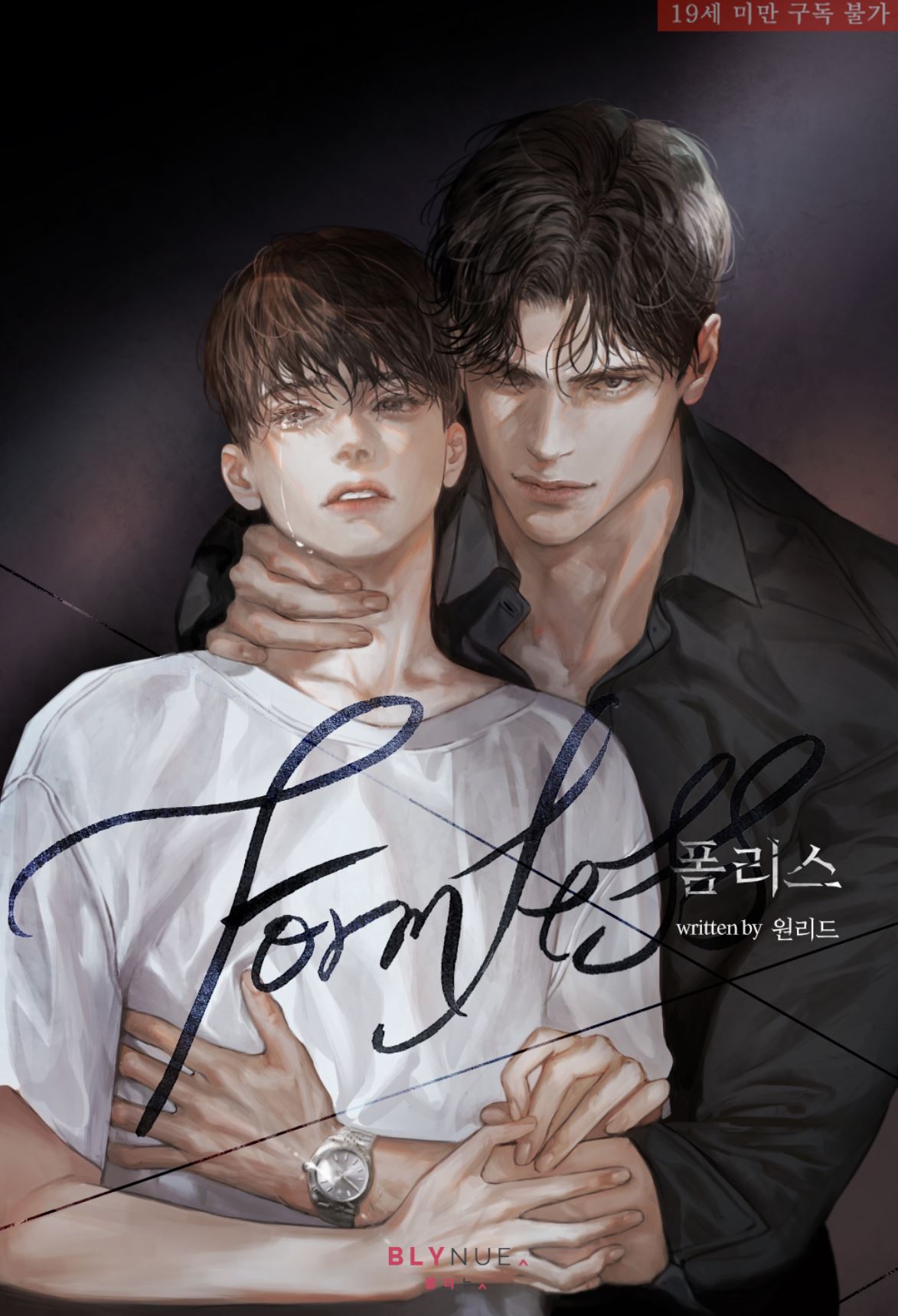
... Read More
I need everyone to slow down and re-read the paragraph where Kangwoo thinks about the loan sharks. Because oh my god, this isn't just background lore — Kangwoo KNOWS what's coming. "Sooner or later something would happen. Then the whole family would be kidnapped, and Woo Heewoon would find out the truth." Heewoon's sister Heehyun is in the Philippines, the debt is mounting, and Kangwoo has been monitoring BOTH the loan sharks AND Heewoon. This is not a coincidence. This is a setup. Kangwoo is deliberately letting events unfold until Heewoon hits rock bottom, and then — and this is the part that made me sit up straight — instead of waiting for Heewoon to come crawling to him, Kangwoo is thinking about resolving things BEFORE Heewoon even asks. So whose side is he really on?? Is he engineering Heewoon's downfall so he can be the savior, or is he actually trying to protect him from afar? The narrative is playing this beautifully ambiguous game and I am obsessed. Also the epilogue structure with the side story format is such a smart move — we get the payoff moments without needing a full resolution yet.
... Read More
The author absolutely toys with you here. We start in this warm, slow-paced domestic bubble—Heewoon helping his mom pack food, watching a drama rerun together, the TV drama his mom actually gets excited about now. It's all soft edges and low stakes. You're breathing easy. You're thinking 'aww, this is nice.' And then the door creaks open and Heehyun is just THERE. Several cigarette butts under his feet—he'd been waiting. The transition from 'Mom, I'll call you' to 'You gay shit' is so violent it feels physical. One moment Heewoon is being a good son, the next his lip is bleeding. What's clever is how Kangwoo's car arriving acts as a pressure release valve. The scene doesn't resolve the conflict—it just shifts it. Kangwoo hands his business card to Heehyun, says something cryptic about making him a place, and pulls Heewoon away. The tension doesn't disappear; it just changes shape. You're left with Heewoon bruised and Kangwoo quietly feral about what he just witnessed. And that ending transition to Heehyun riding in Kangwoo's car, thinking maybe he's getting land, heading out of Seoul... we don't know what's coming but something's definitely brewing. The author knows exactly how to keep you hooked.
... Read More
I need a minute after that fight scene. A whole minute. The way the author just… laid it all out. The snap of bone, the grunts, the blood everywhere — and Heewoon is just frozen there, realizing he's not in his study room, he's in some abandoned factory and this is NOT normal. This is the stuff of nightmares. But here's what really gets me — the stakes are no longer just 'will Heewoon survive this chapter.' Kangwoo looks at Heewoon after breaking Hyukjin's arm and says 'You too.' Just casually. Like Heewoon is one wrong noise away from being next. And then the ending — the shirt pull, asking 'is there another bastard like him around?' while Heewoon is still hearing the sound of Hyukjin's face being crushed? That's not a threat, that's a promise. The entire power dynamic in this story just got dialed up to eleven and I'm not okay. Heewoon thought he could take a semester off and escape, but Kangwoo already knows where he lives. Where his mother is. That line about the Philippines — Heewoon considering running away and then immediately realizing Kangwoo would find him anyway — that's not paranoia, that's accurate reading of the situation. And I'm literally clutching my chest.
... Read More
The atmosphere in this sequence is absolutely palpable, and I want to talk about how the environment mirrors Heewoon's internal state without ever being heavy-handed about it. We open with physical temperature — he's wearing a shirt AND a thick fleece hoodie and STILL feels cold. His ankles are exposed. His shoes are muddy and unwashed. These aren't decorative details; they're the texture of a boy who is struggling to keep himself together literally and figuratively. Then there's the setting itself: 'With each step he took, the dry autumn leaves crackled beneath his feet.' Autumn is the season of dying, of things going dormant, and Heewoon is walking through this landscape completely unaware that his world is about to shift. The school that should be a place of normalcy becomes the stage for his most vulnerable moment. And the bench — that lone bench where he sits and receives the call — it's such an ordinary object made extraordinary by circumstance. Later, when Kangwoo pulls him into the car with the heater on, the contrast between cold bench and warm car is almost brutal in its simplicity. The heater becomes a metaphor for the first time someone is offering him refuge. The detail about his 'thin ankles peeking out from under the jeans' when Kangwoo notices them — that's the author reminding us again how frailer Heewoon is than he appears. The world around him feels real because every surface, every temperature, every sound is rendered with this obsessive attention to physical truth.
... Read More
Okay so I need to talk about the macaron. Because on the surface it's a weird little detail, but honestly? It's the most devastating moment in the entire passage. Heewoon drops his macaron out of fear, Kangwoo stares at it — and Heewoon's immediate thought is 'he'll be mad I didn't eat properly' — so he picks it UP and swallows it. Un-chewed. Just down it goes. And Kangwoo's response? He smiles. He just smiles and then offers him a whole new box. Do you understand what that does to a person? That's not kindness, that's something far more complicated and terrifying. It's care weaponized. Kangwoo can break a man's bones and then immediately be gentle about dessert, and Heewoon has NO框架 for how to process that. Meanwhile Heewoon is sitting there wondering if he's going to end up like Hyukjin, thinking about running to his brother in the Philippines, and the most dangerous man in the room just tapped his collarbone and asked if there are other assholes around. The tenderness AND the threat in one gesture. I keep coming back to that scene. Kangwoo straightening his clothes after pulling Heewoon's shirt open, lightly tapping his collarbone like it's nothing. Heewoon probably couldn't breathe for an hour after that interaction. And the worst part? Heewoon doesn't even hate Kangwoo for this. He's scared, yes, but there's something else underneath it that makes this so much more complicated emotionally.
... Read More
Thanx its too difficult.  I send monye for you on kofi. Support for me.
... Read More
every friday and monday!
... Read More
How many chapters would there be??

Leave a comment

You must be logged in to leave comments. or
