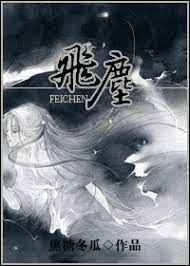
This story opened with a panic attack and never let up, and that's exactly why it works.
Let me rewind and break down why the pacing here is actually really tight despite seeming like a bunch of 'waking up confused' beats. Chapter 1 starts mid-action—he's already been hit, already waking up, already disoriented. No slow burn, no 'once upon a time.' The author drops us into sensory confusion and lets us catch our breath only when Mo Feichen realizes he's a baby, which is the first real punch of information. Then immediately pivots to the next question: who is this woman, where are we going, why is it so cold?
Each paragraph raises a new question before fully answering the last one. That's textbook forward momentum, and it's easy to miss because it feels so natural. The carriage ride with the farmer is basically a breathing room scene, but even that serves double duty—we learn about Kun Yun Peak Manor, get a glimpse of the world's economy and social structure (people giving rides to strangers, tips in broken silver), and get introduced to Yu Jin, who becomes our bridge into the manor.
The arrival at the manor is where the pacing really earns its keep. Instead of stopping for a full tour or exposition dump, the author gives us snippets—a glimpse of the stone gate with unfamiliar characters, the bleak winter courtyard, the sound of sword practice, and then the platforms. It's a staircase of revelations, each one slightly bigger than the last, building to that final image of dozens of cultivators moving in unison.
If I had one critique, it's that the middle section with the farmer runs a touch long compared to the razor-sharp opening and closing beats. But honestly, it works because it's the calm before the storm—you need to feel the journey to appreciate the destination. And the cliffhanger ending, with Mo Feichen facing an entire training ground full of martial artists as a helpless infant, is exactly the kind of moment that makes you immediately open the next chapter.