Fight for Peace and Love - Reviews

Fight for Peace and Love
+Add to Custom List
Sort
Add review
... Read More
This chapter is a masterclass in controlled escalation. Let me trace the arc because it's actually brilliant: Starts with Li Shenquan being eaten alive by Bai Nianjin's murderous gaze—comedy relief, we're all comfortable. Then Li Shenquan leaves and the real conversation begins. Bai Luoluo finally says the thing: "what we are doing is not right." And instead of defusing tension, Bai Nianjin just... leans in. "It's because teacher don't like men?" The pivot from guilt-trip to confrontation is so fast it should feel jarring but it doesn't, because the reader has been waiting for this. Then the author does something sneaky—they dump the entire system backstory in one go. The employee handbook, the office building jump, the mentor's warning about Inception, the system lying about the last world. This could have been a massive info-dump derail, but it's woven into Bai Luoluo's panic response, which keeps it moving. By the time we come back to the physical scene, we understand exactly what's at stake: Bai Luoluo is trapped in this world and can't just leave. The fruit wine kicks in. The blushes appear. The ear whisper. The kiss. Each beat follows the last like dominoes. And the ending—Bai Nianjin tidying Bai Luoluo's clothes like a man who just rewrote their entire relationship and is now acting casual about it—is a PERFECT cliffhanger. It doesn't announce itself as a cliffhanger. It just happens and you're already flipping to the next chapter. One concern: the system interjections, while funny, occasionally undercut the emotional weight right when it peaks. But honestly, that might be intentional. Bai Luoluo's comedy is his coping mechanism.
... Read More
Okay I need to talk about Bai Nianjin because THIS BOY. The way he goes from being desperate and needy one moment to suddenly cooking and caring for Bai Luoluo the next is fascinating. When he says 'Teacher, I want to eat something you make' - that's not just about food, that's about wanting to take care of the person he cares for. And Bai Luoluo's reaction is everything. He's genuinely touched but also weirded out at the same time, right? He feels like something is wrong but he can't quite place it. Then later when he's cooking and thinking about how Bai Nianjin is still in his peak while he's in his thirties about to become middle-aged... ugh. The age gap guilt is real. And then the system drops 'You have never been young' which is both funny and devastating because it's technically true in the story world context. The power dynamic shift is also interesting - Bai Luoluo used to be the protector shielding Bai Nianjin from wind and rain, but now Bai Nianjin is stronger and doesn't need that protection anymore. That realization makes Bai Luoluo feel lonely. Their relationship has fundamentally changed and neither of them knows how to navigate it yet.
... Read More
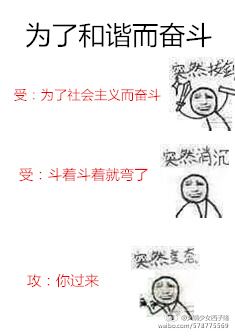
There's so much going on symbolically in these chapters that most readers probably absorb intuitively without naming it. Let me try to put some of it into words. The chains on Bai Luoluo's feet—they're obviously literal, but they also represent the inescapable pull of history, of attachment, of a bond that predates whatever violence happened between them. You can't chain someone who doesn't care. The fact that Bai Nianjin chose physical restraint suggests he knows he can't hold Bai Luoluo's heart any other way. Then there's the mirror scene. Bai Luoluo changes into a new suit, looks at himself, feels confidence rising. This is the first time in the entire passage that he's actively trying to shape how he presents himself rather than just reacting. The mirror is his attempt at self-possession—something his captor has systematically denied him. And yet, when Bai Nianjin sees him, he just smiles gently. The confrontation Bai Luoluo prepared for never comes. The mirror showed him strength, but the world outside the glass operates by different rules. The melon seeds themselves—eating them inside your own head, the rhythmic clicking sound like a metronome marking time in this suspended reality. Seeds are potential, future, growth buried in darkness. They're eating seeds while trapped in a nightmare. I know that's probably overreading it but I can't stop thinking about it. And the title "successor to socialism" that the system insists on—there's a whole layer of political and philosophical commentary here that I'm still unpacking.
... Read More
Let's be real—the system steals every scene it's in. "Kachakakakaka" as an onomatopoeia for laughter. That made me laugh out loud immediately. And then the whole exchange about the employee handbook reads like a frustrated parent talking to a teenager who keeps jumping off roofs to escape chores. "Weren't you afraid Mao Jiu would kill your brother?" —saying this with zero acknowledgment that changing systems between worlds should mean it has NO IDEA what happened last time. The audacity. The shamelessness. "I act cute to newcomers, but are shameless to veterans!" Bai Luoluo's diagnosis is accurate and I respect it. But Bai Nianjin's dialogue is where it gets interesting. The man says very little but everything he says is weaponized. "Teacher, I'm sorry, I really like you" —gentle, contrite, devastating. "I like to eat teacher's thing the most" —and Bai Luoluo's reaction of pure confusion ('…There seems to be something wrong') is perfect comic timing. The double meaning lands immediately for the reader but Bai Luoluo is too innocent to catch it in the moment. "Breathe through your nose." Three words delivered mid-kiss, calm as a doctor giving instructions, and somehow the most intimate line in the entire chapter. The contrast between Bai Nianjin's velvet menace and Bai Luoluo's flustered responses creates this rhythm that's almost musical. Every time Bai Luoluo tries to retreat, Bai Nianjin advances. Every time Bai Luoluo deflects with humor, Bai Nianjin gets softer and more dangerous. And the narrator? The narrator watches all of this with clinical precision while the characters are having the emotional climax of their lives. That gap between what the narration reports and what the characters feel is where the humor lives.
... Read More
The pacing in these chapters is honestly giving me life. Let me walk through why this works so well because the author really knows how to control the rhythm. We open with the most tense moment possible — Bai Luoluo getting his chains removed, hoping for freedom, and instead discovering the GPS ring. Boom. Immediate stakes established in under twenty lines. Then we transition to leaving the villa, which could have been boring transit text, but instead we get worldbuilding about Bai Nianjin's status, his dead father, his new power. Efficient. No wasted words. The drive to the garden is brief — twenty minutes of prose, not twenty pages — and then we're already immersed in the most atmospheric scene of the batch. The pacing picks up again when Li Shenquan arrives. This guy is the perfect structural device because he forces the subtext into text. Up until he shows up, Bai Nianjin and Bai Luoluo are having this strange, quiet dinner where nothing is being said directly. Li Shenquan sits down, starts asking questions, and suddenly everything that was simmering underneath explodes into the open. "When did you and Nianjin meet?" "It's been a long time." Subtext: they have a history. Subtext: it's not healthy. Subtext: I'm in danger and everyone can see it except me. And then the chapter ends with Bai Nianjin sneering "are you looking for death?" and Bai Luoluo wanting to flip the table. Cliffhanger energy. Perfect. The whole chapter goes from intimate tension to social complication to raw threat in about three beats and I was hooked the entire time.
... Read More
This story is drenched in symbolism, and not in a heavy-handed way. It's woven into the fabric of every scene, waiting for you to notice if you're paying attention. The sea itself is the biggest motif. For Luoluo, it represents warmth, permanence, a place he wants to retire to—a stark contrast to the cold winters Nianjin remembers from the north. When Luoluo says, “I really like the sea,” he's not just talking about vacation real estate. He's expressing a longing for emotional climate. He's spent his life in chilly places—figuratively, maybe literally—and here is this golden beach, transparent blue sky, gentle breeze. It's everything Nianjin has been missing. Then there's the water. Nianjin can't swim. He stands at the edge, frowning, afraid. Luoluo teaches him, but even with the pool ring, he's hesitant. That's not just about learning a skill; it's about trusting someone else to hold you up while you're vulnerable. Later, they share coconuts. Fresh coconut water isn't something you get every day—it's sweet, light, aromatic, a burst of nourishment. They sit on the shore, drinking it, and Luoluo asks if Nianjin will consider a university near the sea. The coconut becomes a metaphor for the warmth he's offering: simple, sustaining, a taste of something better. Even the sunburn is symbolic. Both of them are red, exposed, sensitive. Mother Li worries about Luoluo forgetting sunscreen, but really, he's been exposed emotionally—to Nianjin's dependency, to his own unacknowledged desires. The fireworks on New Year's Eve are another key image. They explode, beautiful and brief, lighting up the sky, then leaving darkness again. Nianjin leans in during that light, kisses Luoluo's forehead, whispers something he doesn't quite hear. It's a moment of connection in the burst, then back to reality. The coin in the dumpling? That's about luck, yes, but also about fate. Nianjin gets it, Mother Li says it means good results in the college exam. But the real prize isn't the exam—it's whether he'll survive the next phase of life intact. And height? It's such a mundane detail, but the author keeps returning to it. Luoluo is 1.76 meters, Nianjin is growing past that. They were once physically closer in stature; now Nianjin towers over him. It mirrors their emotional shift: the student is becoming the protector, the equal, maybe even the caretaker. The system even jokes about taking drugs when chewing seeds, which ties into the theme of escapism—both characters use small rituals (coconuts, fireworks, seed-cracking) to stave off bigger fears. This novel isn't just a slice-of-life romance. It's about how we seek warmth, how we cling to it, and how the symbols we carry—the sea, the flame, the coin—shape our understanding of love and loss.
... Read More
The entire chapter is built on a single catastrophic realization: Bai Luoluo cannot simply log out. This isn't a vague threat or a plot device—it's the structural engine driving every conflict forward. Before this chapter, Bai Luoluo's strategy was simple: survive, stay polite, don't get attached, leave when convenient. The employee handbook memory—the one about dangerous automatic logout, the red warnings, the mentor's warning about being cautious—returns like a nightmare he couldn't shake. And the system confirms it: this world isn't special. The loopholes he exploited before aren't available here. So now the stakes are locked in. Bai Nianjin knows this too. Every gentle word, every tear, every whispered confession is delivered by someone who has calculated that his teacher has nowhere to run. The jealousy that makes his eyes red isn't just emotional—it's strategic. He's testing boundaries, learning what works, watching for weakness. "If he left this world, would he fall into despair?" Bai Luoluo's greatest fear isn't rejection, it's destruction. He's not protecting himself—he's protecting Bai Nianjin from himself. And that's what makes the conflict so agonizing: both characters are trying to do the right thing, and the right thing is impossible. The system's dark humor—"Think about your ass"—is almost cruel in context. It's reducing Bai Luoluo's existential panic to a joke while simultaneously confirming there is no escape hatch. The kiss at the end isn't just romantic escalation; it's an act of ownership from someone who has stopped pretending he's giving Bai Luoluo a choice. What happens next when the person with all the power stops whispering and starts commanding? I need to know.
... Read More
This is the best exchange I've read in a long time. Bai Luoluo sneering at a thirty degree angle telling a wealthy man's lawyer to take his stupid money away while declaring his love for the boy - and the lawyer just sitting there looking deeply confused. The lawyer's deadpan throughout is perfect comic relief against Bai Luoluo's full dramatic meltdown. And the system banter! My favorite line is when the system just says fuck this mentally unstable person who would use pure gold for a chain. The author's voice is so distinct - you can hear the humor even in dark moments. The dialogue between Bai Nianjin and his father never appears directly but we know from the lawyer's cold professionalism that Bai Wen'an operates through intermediaries because he won't even speak to his own son. Every character's voice is immediately recognizable.
... Read More
This chapter broke my heart in the most uncomfortable way possible. Let me start with the hot pot scene because it seemed so domestic and sweet until it wasn't. Bai Nianjin pressing Bai Luoluo's hand against his stomach and saying 'Come and feel it' - that moment is SO loaded. Three months pregnant and he wants his teacher to feel the baby moving. Bai Luoluo's internal response is 'Don't do this, be careful, I will get hard' and I actually screamed reading that. But then there's this bigger emotional thing happening underneath all the comedy. Bai Nianjin asking 'Will you stay with me forever?' and getting deflected with 'you're still young' - that's a gentle rejection born from the knowledge that Bai Luoluo has an expiration date. The system even confirms he logged out after a car accident in the first world. So every warm moment between them is shadowed by the fact that Bai Luoluo knows he's temporary. And the worst part? Bai Nianjin seems to sense something but he's just happy to be close enough to touch. The emotional chemistry between them is intoxicating because it's built on this foundation of deep care and inevitable loss.
... Read More
The stakes in this chapter are absolutely hilarious because they're so absurdly high on one level and completely undercut on the other. Bai Luoluo is genuinely terrified — he's an adult male being overpowered by someone who could legally do whatever they want to him in this world's legal system. That's real. But then he tries to fight back with knowledge of law, mentions pedophilia charges, and gets met with "you are always a child in my heart." The conflict here is multi-layered: there's the immediate physical conflict (can he escape or not), the emotional conflict (Bai Nianjin's genuine feelings vs Bai Luoluo's resistance), and the meta conflict of Bai Luoluo trying to use absurdity as a weapon. His attempt to talk about ruined sneakers and sleep-talking incidents as deflection tactics is peak survival mode. And the system! "I will always be behind you" — like bro, that's not helpful at all. Every time the tension actually builds up, something deflates it. The bite/blow wordplay joke at the end had me wheezing. The author knows exactly how to keep you on the edge of your seat while simultaneously making you forget why you were tense in the first place.
... Read More
So this chapter is wild. We go from the most painfully awkward intimate scene to making hot pot like absolutely nothing happened. I swear the tonal whiplash here is intentional - like the author just wanted to remind us they can write whatever vibe they want. The hot pot scene actually works as a narrative pivot because it shows their domestic routine developing while underneath it all there's this looming threat. Bai Luoluo knows he's going to die. He literally just thought about how he'll log out and his body will die in an accident - either through natural disasters or [redacted]. And yet he's making soup broth for two hours while Bai Nianjin hugs him from behind asking if he'll stay forever. That rejection - 'you're still young, you don't know how long your life is' - hits so much harder when you know the truth. The plot is building this tension between the mundane and the catastrophic and honestly it's working. I was NOT expecting a chapter about sexual frustration to turn into a cooking show with philosophical undertones about mortality.
... Read More
'The appearance of this garden is very good, very suitable for dates.' Five words and suddenly the whole frame shifts. We've been eating at a table, having serious conversations, and now the author drops a single detail about the garden being date-worthy and BAM—every line Bai Nianjin has been speaking gets recontextualized. This isn't a catch-up meal between old acquaintances anymore. This is a man who picked the location specifically. And then the lighting. "His skin, pale, almost transparent under the sunlight." The way the author keeps coming back to how Bai Nianjin looks—delicate but unmistakably male, high nose bridge, thin red lips, eyelashes trembling—creates this almost cinematic quality where every frame feels deliberately composed. Sunlight filtering through, the fruit wine, the wooden table, the ring on Bai Luoluo's foot (wait, WHAT ring?). Every sensory detail is pulled taut. But what really makes this scene land is the contrast between the beautiful setting and the absolute devastation happening inside it. A gorgeous garden, perfect for a romantic afternoon, and yet Bai Luoluo is internally bargaining with a system about whether he can just log out. The environment is lush and alive while his internal monologue is pure survival mode. That disconnect is what makes the atmosphere so thick you could cut it with a knife—which is fitting because they're literally eating at a table with knives and forks.

Leave a comment

You must be logged in to leave comments. or
