Fierce chirp~chirp! - Reviews

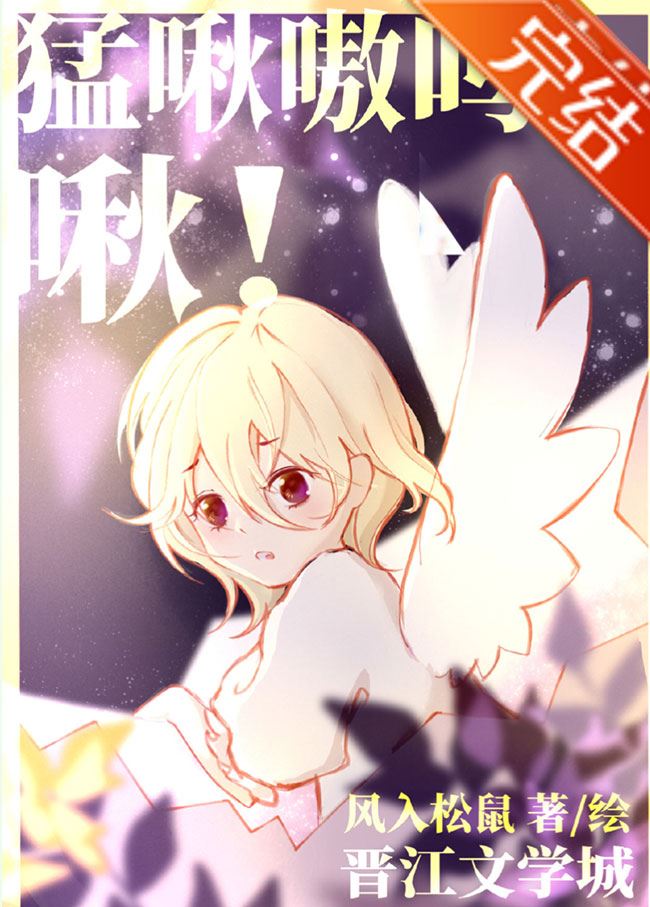
Fierce chirp~chirp!
+Add to Custom List
Sort
Add review
... Read More
The author just did something unhinged and I have never been more impressed. We start in what feels like a lighthearted slice-of-life chapter — shopping for kindergarten uniforms, family bickering, a tail that cannot stop wagging. It is warm. It is funny. It reads like a cozy webnovel comfort food episode. You are leaning back in your chair, smiling at your phone, thinking this is just a cute beast-friend family story. And then — and I am not exaggerating — the system drops a footnote that reads like a horror movie spoiler: "In the original book's plot, your second brother seemed to accidentally kill the young son of an important official who was extremely close to the Prince's Mansion." A CHILD DIED. In the original timeline. And the next scene continues as if nothing happened, with Qiu Yiming complaining about his surge period and Qiu Jingyu sipping tea like a boss. This is masterful pacing manipulation. The author lets you feel safe before pulling the rug out. It is the same technique as a horror film that shows you a sunlit kitchen before cutting to the basement, but here it is wrapped in a family drama and delivered with a straight face. The contrast between the miniature leather shoes and the mention of accidental murder is so extreme it should not work — and yet it creates this lingering unease that follows you through the entire chapter. The transition from "buy more warehouses of clothes" to "your brother might kill someone" is the fastest tonal shift I have experienced in this series. I had to put the phone down for a second.
... Read More
I need to talk about how the chat group dialogue works because this is genuinely impressive craft. Every character has a distinct voice through their typing style alone. Aoshuai's 'QWQ [kneeling down]' energy vs Jasmine's deadpan 'Ming-ge never bothers to lie' vs Chris going full comedic meltdown — you can hear their voices without any narration telling you who's who. And the humor lands because it's genuinely how people text. The nested brackets for actions, the escalating caps lock, the way Qiqi delivers the hottest take in three sentences: '[Someone] threatened him??' bro said what we were all thinking. But what really sells it is how the dialogue reveals information without feeling expository. We learn about the homework being correct, about the trending search, about who took the screenshot — all through natural group chat chaos. The author trusts the reader to piece things together. Even Qiu Yiming's internal monologue reads like someone actually thinking, not a narrator explaining. 'I am so awesome???' is peak honest internal voice.
... Read More
Torrance has the best dialogue of any character in this chapter, and it's because his voice is completely unrestrained. 'My dad has collected a lot of good things that are as golden as your feathers. I can give you anything you like!' This is the kind of line that could only come from a child who genuinely believes that everything his father owns is also his to give away. It's naive, it's generous, it's catastrophic for the negotiation happening five feet away. Qiu Chongshan's voice is equally distinct—authoritative, proud, prone to theatrics. 'Son, this name can't be chosen casually!' followed by his earnest pitch for 'Qiu Zhentian' reads like a man who has never been told no and is about to learn otherwise. The fact that everyone just stares at him in silence after he finishes his speech is one of the funniest beats in the chapter, and it's achieved entirely through what he says, not what the narrator tells us. Sarah's dialogue is warmer, more measured, and she's the first to break the standoff with 'Qiu is good, autumn is an elegant season, I think it's good to call Qiu Qiu.' She diffuses tension by simply refusing to take the naming battle seriously. And Ames—his voice is the grumpy counterpoint throughout: 'Be quiet, if you embarrass me again today, I'll deal with you when I go back tonight.' Short, sharp, clearly exhausted. The political dialogue at the end is a different register entirely—formal, urgent, clipped. It's almost like the author switches to a different dialect when treason is mentioned.
... Read More
The stakes in this batch are deceptively layered. On the surface it's low-key — a kid buying candy, a dragon giving a gem, a business acquisition. But peel it back and there are multiple conflict threads all pulling in different directions. First: the Ortnes-Jin Lin rivalry. It plays for laughs with the competitive gem-giving, but underneath it's about something real. Ortnes is worried — genuinely worried — that Jin Lin will prefer Qiu Qiu because of a shiny rock. That's not just comic relief; that's a creature who has never had a choice about who stays beside him, now facing the terrifying possibility that someone might choose to leave. Second: the public reveal. Heber knows. He knows Jin Lin is a dragon of royal stature, and he doesn't expose him — but he also doesn't pretend he doesn't know. That's a loaded silence. What does Heber do with that knowledge? The chapter ends without resolving it, and that uncertainty is doing heavy lifting. Third: the candy queue chaos. People pushing, shoving, an old man getting squeezed aside. It's a microcosm of everything wrong with the world these characters navigate — the indifference, the desperation, the way a handful of people ruin it for everyone else. Qiu Qiu cutting through that chaos to help the old man isn't just cute; it's an act of defiance against that ecosystem. And then there's the business conflict simmering under Qiu Xingchuan's calm exterior. He acquired a company, changed its strategy, and watched its value double overnight. But Qiu Jingyu's quiet chuckle — "his style is indeed different from his uncle's, they just made a different choice" — that's not agreement. That's acknowledgment of a split. The family power dynamic is shifting and nobody's saying it out loud. Four conflicts, zero resolutions, and I was turned the page immediately.
... Read More
Okay so let me just say THIS scene with Qiu Qiu and his big brother is absolutely everything. The dynamic here is so rich and I keep going back to it. You've got this tiny bird spirit in a room with a 200+ kg black panther, right? And instead of being scary, it becomes this weirdly tender moment. The panther literally picks him up by the scruff but then starts GENTLY licking his chin?? And the system is over there having a full existential crisis like 'THIS IS TERRIFYING' while Qiu Qiu is just confused and ticklish. But what really gets me is the role reversal. Qiu Qiu keeps calling him 'brother' and trying to do his duty—wake him up, tell him not to be lazy—but the panther is just treating him like a kitten. It's almost... coquettish? And Qiu Qiu notices it and gets embarrassed about noticing it. The layering. Also love how Qiu Yiming comes in hot downstairs suspecting something's wrong with Big Brother's mental energy, completely missing that it's probably just a lazy Sunday morning with a panther-shaped bodyguard.
... Read More
I literally gasped when Natas burst into Principal Komodal's office. One minute these people are sitting there marking 'Panda' off their list like it's already in the bag, the next—chaos. The narrative structure here is brilliant because it runs two parallel storylines that finally collide: the heartwarming Kleist forest visit on one side, and the smug academy office on the other. The author builds this quiet confidence in the academy staff—they're chatting casually, dismissing the 'online leaks,' basically celebrating an early victory. And then WHAM. The promotional video drops and their entire worldview shatters. What made this hit so hard was the specific detail of Komodal checking off that name 'Panda.' It felt so final, so definitive. Like he was closing a chapter. Then the door slams open and the whole thing flips upside down. The irony is delicious—their assumption that 'no carnivorous cub would give up on the Imperial Academy' is what blinds them to the possibility that Kleist found a completely different strategy. Herbivore cub? Fairytale theme? They didn't even consider that angle. Smart writing.
... Read More
Okay so I literally screamed when Qiu Jingyu caught Qiu Qiu. Like—this is the same guy everyone calls a terrifying monster, right? The one who probably signs death warrants before breakfast—and the second he sees his little brother shaking in his arms, his whole energy just shifts. The text says he revealed a bit of unconscious mischief in his eyes. That's it. That's the line that made me stop breathing. Not some grand declaration, just this tiny crack in his armor. And then he asks the receptionist for CANDIES. For the press conference. In front of dozens of powerful beings. He just... hands the candy to Qiu Qiu himself. Peels the wrapper. Skillfully. The text literally says 'the hands that used to only sign documents.' I am obsessed. But here's what gets me—the part where Qiu Qiu says 'I seem to have come to the wrong door.' He's sitting there on the table, feet tapping nervously, apologizing for existing. And Qiu Jingyu's reaction? 'Did anyone ask you to apologize?' Pinching his cheek like who the hell do they think they are. That protectiveness isn't loud. It's not dramatic. It's just absolute. I need to know more about their relationship. How long has Qiu Jingyu been watching over him? Did he bring him to headquarters personally? The whispers say he did. But why was Qiu Qiu alone at that press conference? What was he looking for?
... Read More
"I originally just came here to check out the good-looking guys, wuwu, but now that I've listened to the interview, I really want to send my little brother to Kleist next year—it feels so good." This line is doing so much worldbuilding it shouldn't be legal. In one sentence, we learn: there's a streaming platform called Starblog, people watch interviews for aesthetics, there are younger siblings worth sending to this mysterious institution called Kleist, and the public genuinely believes the new principal is "taking education seriously." The world doesn't announce itself through exposition dumps—it seeps in through the cracks of fan commentary. Then there's the visual texture: the interview framing (camera, on-screen presence), the live chat exploding at the end, the private Starblog posts appearing "in the exact same format" like coordinated propaganda or genuine vulnerability. And the wings—"a stunning little sweetheart with milky-gold wings"—a single descriptor that tells us this isn't standard Earth. Some younglings have wings. This is a species-diverse academy, possibly interstellar, where law enforcement can suspend social media accounts and citizens can publicly beg for likes to unlock them. The setting feels lived-in because the background characters are already arguing about it.
... Read More
The scene where they sneak into the study is probably one of the most atmospheric moments in this entire batch. Let me paint it: It's late. They bypassed the night watchman. The dragon blood sits in a glass cabinet, golden and still. Qiu Qiu tilts his head to point at it, and then—suddenly—the seal pops open on its own, rusty dirty blood surges into the air, and you can barely make out a dragon shape forming from it. The books on the shelf start shaking. This ancient, dangerous presence fills the room after tens of thousands of years of waiting. What I love is how the author contrasts the cozy, almost domestic setup—a midnight peekaboo between two small creatures—with the overwhelming, almost apocalyptic energy of the dragon blood awakening. The scene goes from tender to terrifying in a single paragraph, and it works because the emotional tone never breaks. Qiu Qiu is still excited and curious even as the atmosphere turns menacing. That juxtaposition is pure cinema. Also, the detail about Qiu Chongshan going wild with wedding-scale preparations for a transformation that hasn't even happened yet—dozens of warehouses full of stuff already sitting idle—adds this layer of chaotic realism to the world. These people aren't just strategizing; they're obsessing, spending recklessly, preparing for every possibility. It makes the world feel lived-in and desperate.
... Read More
The flower basket scene is layered in ways the characters probably don't even realize. The cub is described as a 'fluffy ball of creamy gold' sleeping in the center of pale green, white, and sapphire blue flowers. Gold and light colors everywhere—it's almost biblical in its imagery. And then Abraham, the elder who can read dreams through the astrolabe, describes the cub's presence as 'an extremely pure golden color, just like a childish and innocent heart.' This isn't accidental symbolism. The cub represents something untainted, something pure that exists outside the normal rules of this world. Even the dragons—who are ancient, powerful, and probably seen terrible things—feel happy just being near it. The story keeps asking: what is this creature, and why does it make monsters feel like children again? The daily background tasks and prestige points the system mentions hint at something darker underneath, but right now, in this moment, the theme is purity vs. corruption, innocence vs. experience. The cub doesn't know it's being watched. It just smells the flowers. That's the whole point.
... Read More
Let's count the conflicts stacking up in this short stretch, because it's absurd how many there are: (1) The unspoken conflict between the two people on camera—who is the older figure? Who is the 'little one'? What was said after the kiss that the author deliberately withheld? The romantic tension here is suffocating because it's framed through other people's reactions rather than direct experience. (2) The institutional conflict: Kleist's reforms versus established law enforcement norms. The Council seems to be shifting toward social-media-based discipline, which raises the stakes—if your reputation is your currency, then a suspended account isn't an inconvenience, it's social death. (3) The Dax-QWQ conflict: someone in power posed as a pirate, got caught by their own employee, and now has to live with the aftermath. But the highest stakes belong to the younglings—the winged children mentioned in passing. They're the ones being 'stolen,' being educated, being watched. The interview wasn't just content; it was surveillance dressed as entertainment. And the live chat wasn't just commentary; it was a jury deciding whether this new world is worth joining. Every scene in this passage radiates outward from that central question: who gets to protect the young ones, and at what cost to their privacy, their dignity, their freedom? The author makes you care about an answer without ever showing us a single youngling face-to-face.
... Read More
The shift between these two scenes is so jarring it almost gave me whiplash, which I think is exactly what the author wanted. We go from a cramped desk, a desk lamp, a pen holder, an alarm clock going off at daybreak — all these intimate, claustrophobic, relatable details — and then BAM, we're in 'the grand and solemn circular parliament hall in the First Star Domain.' The physicality of that space matters. The Speaker sitting in the main seat with a uniform jacket draped over his shoulders, the secretary standing beside him, the audience frozen in their seats不敢 leave — this is a world that feels lived-in and hierarchical. I love how the environment tells us everything about power dynamics without anyone stating it outright. Those people not leaving 'even though the meeting had been announced to be over'? That's worldbuilding through behavior, not description. The juxtaposition of Qiu Yiming's cozy domestic chaos against this cold institutional gravity is striking. One space makes you feel like you could spill coffee on the furniture. The other makes you feel like breathing too loud would get you arrested.

Leave a comment

You must be logged in to leave comments. or
