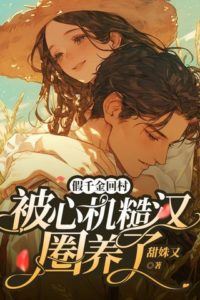
This story is really about worth. Not money worth, though the 550 yuan is obviously central to the plot—it's about human worth. Who deserves to live? Who deserves to be loved? Who gets to be valued? Li Jiao was abandoned by her adoptive parents the moment the real heiress returned. She married Qin Lie for protection but despised him for his background. Li Wenbo represents false value—sweet words, education, charm, but ultimately worthless. And Qin Lie? He's the one whose value no one sees, not even his own. The blue cloth bag is such a loaded symbol. It contains the hush money from a fatal cave-in, money earned at the cost of a leg, money that was supposed to buy coal to survive the winter. In her past life, she stole it and ran. In this life, she throws it back at Qin Lie and climbs into bed with him. That single gesture—returning the money—is the thematic core of the entire story compressed into one moment. The money represents everything the world told her had value (safety, escape, a better life) and everything Qin Lie told her he had to offer (nothing, or so he believed). By rejecting Li Wenbo and choosing Qin Lie, she's rejecting the whole system of value that the story critiques. The class background politics, the village's scorn, the family's exploitation—all of it comes down to who decides someone is worth something. And Li Jiao is rewriting that calculation. The recurring imagery of cold and warmth is doing heavy thematic lifting too. Cold isn't just temperature, it's abandonment. Warmth isn't just heat, it's being chosen. Qin Lie's body becomes a symbol of everything the world discards—and she's clinging to it.