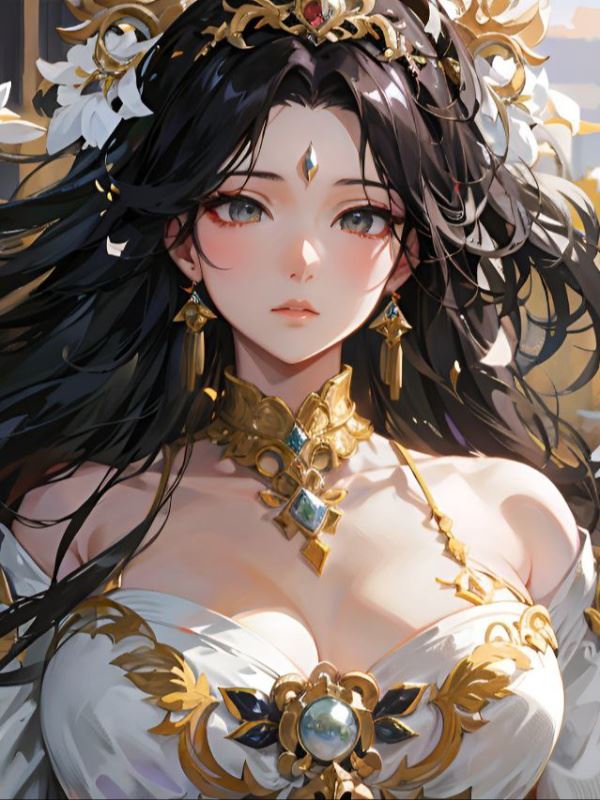
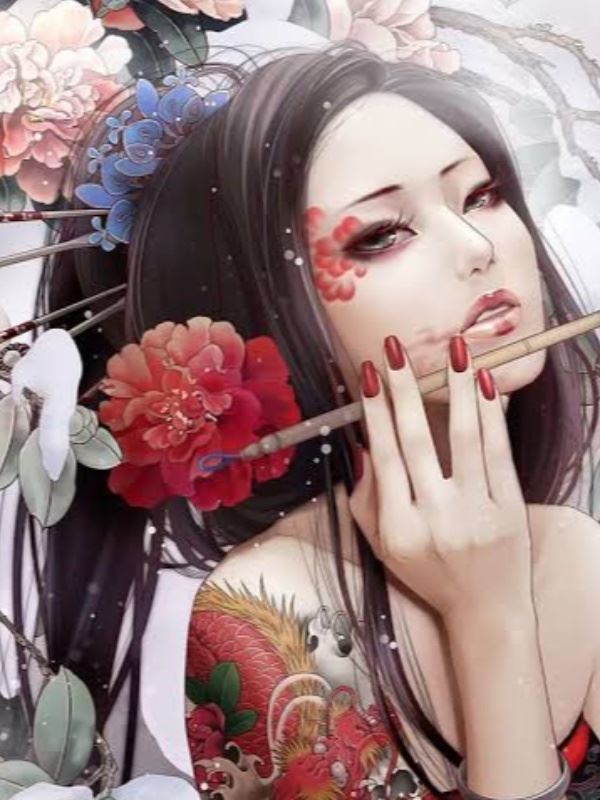
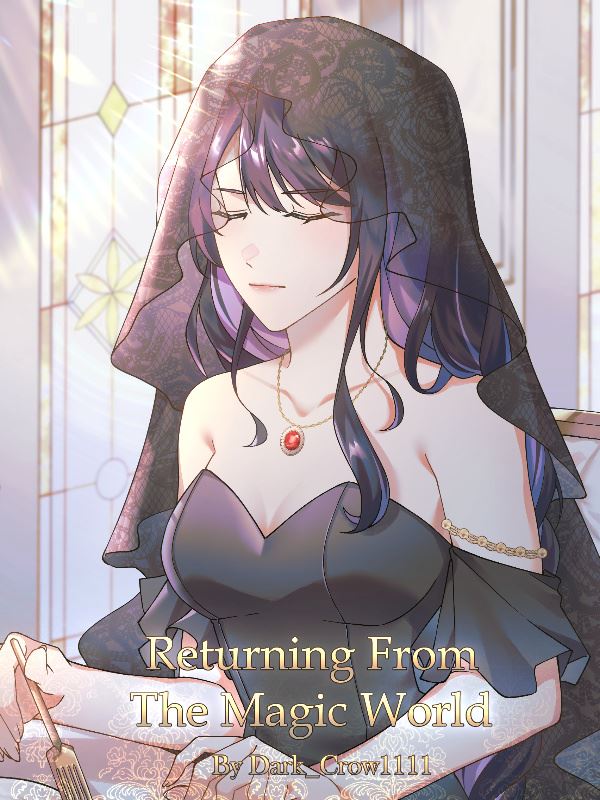
Ran Nannan was born into the Zhou family in Yangzhou, where her exceptional beauty became a commodity rather than a blessing. From the age of ten, she was secluded in a remote courtyard and subjected to rigorous, abusive training by an old matron to prepare her for a life in the Qinghong Pavilion. Her days were filled with painful posture drills, forced floral baths, and beatings for any perceived clumsiness. The matron constantly reminded her that her face was an asset capable of ruining a man's fortune, and the Zhou family viewed her as a bargaining chip to secure financial and political alliances. Despite the physical and emotional torment, Ran Nannan endured in silence, believing that her suffering might eventually bring glory to her family or herself.
At thirteen, her beauty had matured to a dangerous level, and her father openly discussed selling her to the highest bidder. The central conflict crystallized when Assistant Magistrate Cheng, a powerful official with influence over the salt trade, attended a banquet hosted by the Zhou family. Ran Nannan was forced to perform a dance for the guests, enduring their lewd comments and predatory gazes. During the event, she shared a fleeting, pitying glance with a mysterious young man in blue robes, a moment that offered her a brief sense of human connection before he vanished. Shortly after, Cheng declared his intention to take her into his household. The Zhou family eagerly agreed, viewing the alliance as a path to prosperity. Ran Nannan was dressed in elaborate bridal attire, unaware that she was being sent not as a wife, but as a concubine or entertainer to a man who saw her merely as a prized possession.
On the eve of her transfer, Ran Nannan attempted to escape but was blocked by guards. Trapped and despairing, she fell ill with a high fever. In her delirium, she dreamed of the young man in blue robes, who promised that in her next life, she would not have to suffer. She died alone in her room, her face frozen in a faint smile of relief. The Zhou family mourned briefly, but their primary concern was the lost alliance with the Cheng family. Ran Nannan’s body was prepared for burial, and the festive decorations were torn down, symbolizing the end of her tragic existence.
Ran Nannan awoke in a modern high school classroom, realizing she had been reborn in the body of a girl with the same name. The Gaokao had just concluded, and she found herself in a world free from the constraints of feudal patriarchy. Initially disoriented, she quickly recognized the freedom she now possessed. She had no masters, no matron with a cane, and no family seeking to sell her. Instead, she had friends, a loving mother, and the autonomy to shape her own destiny. She resolved to live this second life for herself, rejecting the passive victimhood of her past.
Drawing on the memories of her previous life, Ran Nannan began to reclaim her beauty for her own sake rather than for male approval. She recalled ancient skincare formulas involving safflower, lotus pollen, and chrysanthemum dew, which she had been forced to use only to enhance her market value. She recreated these remedies in her modern home, using traditional methods to restore her skin and posture. As she practiced the graceful movements and postures she had once learned under duress, she transformed them into acts of self-empowerment. Her appearance improved dramatically, drawing attention from her classmates, but she remained focused on her new goal: independence.
Her friends, particularly her deskmate and Ah Miao, noticed her transformation and expressed interest in her skincare creations. When Ah Miao’s mother offered to pay for a batch of the cream, Ran Nannan experienced a profound emotional shift. For the first time, she was earning money through her own skills rather than being traded as a commodity. She began producing and selling her handmade beauty products, finding fulfillment in the honest labor and the genuine appreciation of her customers. However, her journey was not without challenges. When she attempted to expand her business by connecting with a posture management center, she encountered a scheme involving drugging and coercion. Recognizing the tactics from her past life, she escaped unharmed, reinforcing her resolve to never again be trapped or exploited. The story follows her transition from a victim of systemic abuse to an independent woman building a life on her own terms, using the skills and resilience forged in her previous suffering to navigate her second chance.