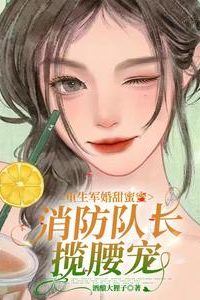
There's so much going on beneath the surface of these chapters and I want to unpack it. The central symbol is obviously Song Jingzhi's leg — or rather, the absence of feeling in it. It represents everything he's afraid of: being a burden, being unwanted, being less than whole. But Tang Xiaoxiao's reaction to it flips the symbol on its head. For her, his leg isn't a tragedy — it's just part of the man she loves. When she says she'd take care of him regardless, she's rejecting the whole cultural narrative that a disabled man is less worthy of love. Then there's the dimples. Song Jingzhi fixates on them throughout his confession — the way they appeared when she smiled, delivering lunchboxes, face dirty from work. Dimples are this tiny, almost trivial detail, but they become the symbol of everything he fell in love with: her kindness, her beauty in ordinary moments, the joy she brought him without even trying. And the well water! Tang Xiaoxiao chugging four cups after the confrontation — it's such a grounded, physical detail that anchors the whole emotional scene. She's literally replenishing what she lost crying, and the cool sweet water is this small moment of normalcy in an otherwise chaotic day. The most powerful symbol though is the line she delivers: "The Song Jingzhi I want to marry is the one who can walk side by side with me in any situation." Side by side. Not above her, not below her. Equal. That's the entire theme of this story in one sentence.