Dressed as an Abyssal Dragon Hatchling [Holographic] - Reviews

Dressed as an Abyssal Dragon Hatchling [Holographic]
+Add to Custom List
Sort
Add review
... Read More
Okay so here's the thing that immediately grabbed me—this double-yolk dragon egg plot device is genius. Think about it: in a world where siblings absorb each other before birth, two souls sharing one shell should be impossible. And yet, they survive. The author doesn't just tell us this is unusual; they embed it in Elder Hesse's internal monologue about dragon clan customs and sibling rivalry. That's how you worldbuild through plot logic. What really sold me though is the dramatic irony layered throughout this entire sequence. Jing Nian thinks he's going to be eaten. The reader knows he's been discovered but hidden. Meanwhile, Hesse thinks the second young master is just "timid" when really the guy's curled up screaming internally. The tension isn't built through action scenes—it's built through misaligned perspectives. Every tap of that claw on the eggshell sends Jing Nian into full panic mode while Hesse is just… being sweet? Patting the egg like a parent checking a heartbeat? The subversion here is delicious. We expect giant dragons to be ruthless power monsters. Instead, Hesse's got this soft spot for hatchlings, and his silly smile keeps breaking through his dignified elder-dragon exterior. The author uses physical comedy—Hesse losing his composure, forgetting to look stern—to humanize creatures who should be terrifying apex predators. And then there's the nutrient reversal. Jing Nian assumed he was stealing the little dragon's food supply, so he apologizes. The little dragon responds by pressing its claw to Jing Nian's forehead and sharing its own energy. This isn't just plot progression—it's character establishment in miniature. Two strangers become allies through an act of generosity neither expected. The stakes shift from survival to bonding without a single battle scene. My only question: how long can this secret cohabitation last? Hesse suspects something but attributes it to normal dragon behavior. The other dragons are watching the pool. If Jing Nian's human presence gets discovered, does the clan react with hostility or curiosity? I'm invested enough to keep reading, which is rare for me with xianxia-adjacent fantasy.
... Read More
I kept trying to track what was actually happening in this chapter and every fifteen pages the ground moved again. First you have Jing Nian accidentally revealing his divine-level title and this completely unfazed Huo Yi not blinking—then Huo Yi casually confessing he knows Jing Nian's secrets, then the mask comes off and it's Uncle Pipilu without the stubble. My brain needed a break just processing it. The way the author stacks revelations is what got me. Each one doesn't just add information, it recontextualizes everything before it. When Jing Nian sees Huo Yi's 10 million attack power, you think this is a power fantasy setup. When you see he's wearing literally basic clothes and a mask, you think it's a mystery setup. Then the Uncle Pipilu reveal hits and both assumptions collapse at once. That's tight construction. The pufferfish subplot is doing real work here too. You send the warrior off to buy pufferfish with a glowing pearl, this completely weird transaction that feels like side content, but it establishes that Jing Nian is already thinking several steps ahead of everyone else. He's playing a different game than the people around him. That foreshadows the bigger reveal—that Huo Yi is also operating on a layer Jing Nian can't see. The pacing within the chapter itself is restless in the best way. It never settles. Every paragraph ends with a new question or a shifted assumption. I caught myself rereading the moment Huo Yi said 'Your suspicion is correct, this is my secret, so I won't reveal yours' and just sitting with it for a second. That sentence does triple duty—it confirms the power discrepancy, it establishes mutual secret-keeping as the basis for trust, and it sets up the later reveal where Huo Yi himself becomes the secret that gets uncovered. What I find most interesting is how the chapter ends on an actual cliffhanger that isn't about danger but about identity. The warrior runs off, Huo Yi has revealed his true face, and now Jing Nian is frantically wondering whether this person crossed from the game into reality. The structural question isn't 'what will happen next' but 'who is actually in this story anymore'?
... Read More
The transition from the dragon panic to the broader implications of the game world going rogue happens so smoothly it almost sneaks up on you. One moment you're watching a lizard kid have a full-on trust crisis, and the next you're learning about interstellar languages and temple expansion. But the worldbuilding details keep accumulating in ways that actually make sense of the chaos. The fact that all the racial languages translate into this "Universal Language" while in-world everything is complete and systematic? That's such a clever way to show the game's authenticity while also explaining why players can understand everything. The language angle alone is genius. You've got studio employees talking about game design while the NPCs are apparently aware of players and the game itself. The meta-level on that is going to pay off so hard later. And this line about disbelief in gods being based on not knowing they exist? That's the kind of philosophical observation that makes you pause mid-scroll. What if belief shapes reality in this universe? What if the game world's becoming real because people are starting to treat it like it's real? The visual of the little dragon growing harder skin and sharper claws is also doing serious double duty. It's cute AND it's a reminder that this thing will eventually be dangerous. The baby phase won't last forever.
... Read More
What I love about these chapters is how the stakes keep expanding without any loud announcements. On the surface, Jing Nian is just following mushroom footprints in a desert dungeon. But beneath that, there's a bounty system connected to people outside the game, mysterious markers that seem tied to him personally, Huo Yi's hidden knowledge, and players who are treating this like a casual quest when it's clearly something bigger. The conflict isn't just 'can they catch the vultures' — it's 'who is orchestrating all of this and why does it involve me?' And then you cut to the Jing brothers trying to earn Ga'erfu's trust through manual labor as a test of character. Two separate groups, two separate threads, and I have a sneaking suspicion they're heading toward the same destination. That's how you build tension — not with explosions, but with the slow dawning that the puzzle is bigger than anyone realized. The Desert Vulture King begging Jing Nian to keep its 'pet' status secret instead of being released? That's a character making a choice based on fear and survival instinct, not heroism. The stakes here are personal, not epic, and that's what makes them feel real. I'm leaning forward in my seat reading this and I can't figure out how the threads connect yet and it's driving me crazy in the best way possible.
... Read More
The author really said 'let's build a world where game mechanics feel organic' and I am HERE for it. The way the pearl starts glowing and heating up in Jing Nian's hand — you can FEEL the moment turning from puzzle to danger. And then BAM, a river clam the size of four adults lunges out of the water. I actually gasped aloud reading this. The detail about the shell being 'approximately the length of two tall black-clothed individuals' is such a specific visual anchor. You can picture Huo Yi's height and suddenly the clam feels real and terrifying. Plus the game elements like player systems and NPC questions are woven in so naturally, I never felt like I was reading instructions rather than a story.
... Read More
The way the Dragon Soul Space operates here is fascinating. It's not just a passive mental landscape; it's a shared psychological arena where consciousness overlaps, emotions bleed through, and physical proximity doesn't matter but intimacy does. When Jing Nian controls the body again, the young dragon's playful resistance continues inside — pushing away, circling, using those 'puppy dog eyes' as weapons. That spatial layering (external action vs. internal soul-space dynamics) adds a unique depth to the worldbuilding. Also, the brief glimpse of the Dragon Clan's giant dragons with pointed tails versus the young dragon's uniquely curved tail creates an immediate sense of scale and mystery. How big is this world? How many dragons exist? The text drops these details organically through Huo Yi's observations, making the lore feel lived-in rather than explained. I can picture the riverbank scene, Auntie Wang's home, and the tense walk back with Jing Nian storming off while Gordon gets squeezed in the background. Every location serves character or plot.
... Read More
Let's talk about what's actually at stake here because it's wilder than it looks. On the surface, Jing Nian is just doing a main quest with some friends. But underneath: he's a player in a world where locals consider outsiders to be world-enders. He has an AI entity (Uncle Pipilu) who seems to be evolving beyond his programming. He's bonded with a dragon that could level the village if it gets carried away. And he just got a mid-tier NPC servant whose loyalty was literally purchased. The stakes are escalating quietly. That moment where Jing Nian recognizes the difference in Uncle Pipilu — the microexpressions gone, movements "as precise as an AI" — that's not just an observation, that's a warning sign. Something changed. And Jing Nian, being the observant mess he is, notices immediately. The conflict isn't coming; it's already here, it's just wearing a casual face. Meanwhile the dragon is over here laughing at exposed buttocks and the teammates are being "laid-back" at the river. The gap between the tone and the actual danger is what makes this book terrifying and hilarious at the same time. I'm not okay.
... Read More
The pacing in these chapters is honestly remarkable and I need to appreciate it. Chapter 70-74 starts with adrenaline — worm attack, protagonist clinging to someone's neck, weapons flying everywhere. Full throttle. Then BAM, the very next beat drops us into quest notifications and hunger mechanics. The whiplash is intentional and I love it. The author knows exactly when to speed up and when to let the reader breathe. That moment where Jing Nian is pressed face-down into Huo Yi's shoulder, getting petted like a good boy, while the man walks him toward a vegetable field — it's quiet, almost comedic, and it lets the tension dissolve naturally instead of leaving us hangin'. But then the real masterstroke: ending on that rejected quest and the darkening sky. The author cuts the scene right when we're most invested, leaving Jing Nian walking away from something important because it's getting late. It's such a human, relatable choice — practical over dramatic — and it creates this low hum of anxiety going into the next chapter. Did he just miss something crucial? What happens when it gets dark? The rhythm of these chapters feels like a rollercoaster designed by someone who actually knows how to build excitement and release it. No dragging, no rushing. Every beat lands.
... Read More
The worldbuilding in this passage is doing something really clever and I want to unpack it. On one hand you've got the dragon egg lair, which feels ancient and almost sacred. The eggshell itself is described as this magical material—creamy yellow exterior that lets light through in this soft, warm, opaque glow. You can picture it: the shadow of a massive creature approaching, silhouetted against the light, and inside, Jing Nian can only see shapes and sizes. There's something deeply cinematic about the way the author builds tension from that restricted point of view. You're locked inside the egg with Jing Nian, and you only know what he knows. Then those enormous footsteps: 'Duang! Duang! Duang!' The onomatopoeia alone makes you feel the ground shaking. And the dragons themselves walking on their erect wings—Jing Nian's observation that it seems 'quite ridiculous' is such a perfect grounding detail. It keeps him human, keeps the reader anchored, even as the world gets increasingly fantastical. Then the text SLAMS into a completely different genre. Imperial Capital Star, space defense gates, S-class mechs, a gardener trimming branches while an alien-looking military vehicle crashes through security. The tonal whiplash is intentional and it works. We go from a prehistoric-feeling dragon cave to a high-tech military estate in two paragraphs, and somehow both worlds feel equally vivid. The author isn't just building one setting—she's weaving two that will apparently collide. The Holy Dragon Blood Pool, the Mars-level magic system, the mech warfare with danger ratings and atmospheric friction... this isn't a single-genre novel. It's a bridge between worlds, and the writing carries both with equal conviction.
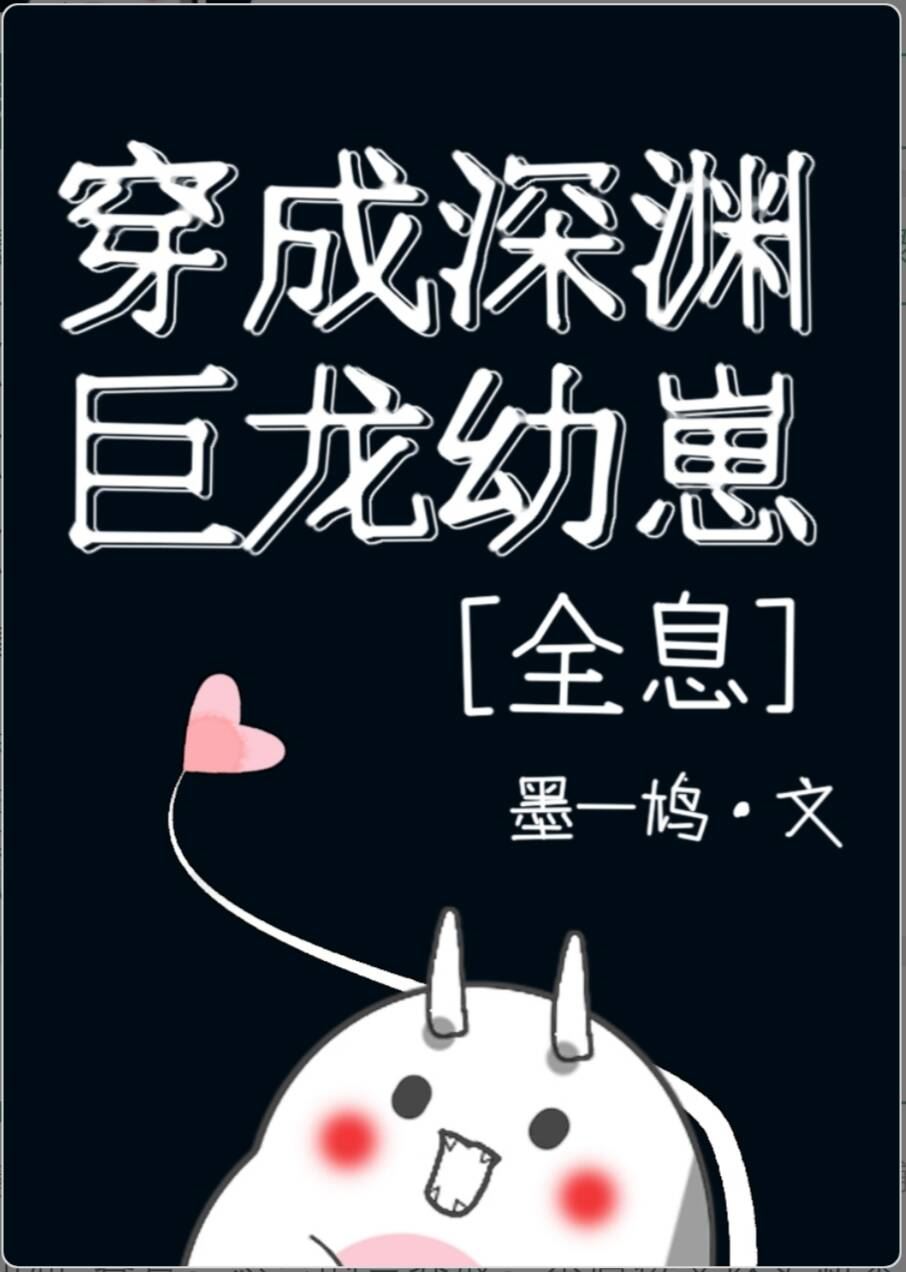
... Read More
Okay so this chapter had me emotionally wrecked and I need to talk about it. The entire scene where Jing Nian starts to reveal the "secret of outsiders" and then literally vomits blood? That was brutal. Like, the author really said "you want to tell them the truth? Sorry, your body won't let you." The way Jing Nian tries thinking about it and even considers WRITING it down and gets the same painful response—that's such a clever way to show the constraint isn't just physical, it's almost metaphysical. He's trapped between two worlds and can't bridge them. But what really got me is the dramatic irony stacking up. Hesse is proudly explaining how the black crescent scale makes their defense impenetrable, that "no entity on the Grans Continent can break through," and Jing Nian is just sitting there internally screaming because he KNOWS players are coming and they WILL win. He actually feels sad enough that his eyelashes moisten. That's not plot convenience—that's emotional storytelling at its finest. And then immediately after all that heavy revelation, the young dragons showing up hiding behind stone statues with their tails sticking out? The tonal whiplash went from devastating to absolutely hilarious in one beat. This author really knows how to keep readers on an emotional rollercoaster. The plot isn't just moving forward—it's emotionally complex.
... Read More
I need to talk about the worldbuilding in this section because the author is doing something really clever with how they reveal the world through mishap rather than exposition dumps. You don't get a giant info-dump about the Dragon Clan or the teleportation system — you get it through Jing Nian screwing up a teleport and ending up in the Lost Forest instead of wherever he meant to go. That's how you know the teleportation system exists, how it works (or doesn't), and what the stakes of getting it wrong are — all through comedy. The visual of the Dragon Abyss is sparse but effective. We get 'deep dragon abyss,' 'a group of dragons flew in to welcome him,' and this one baby dragon 'perched on the head of a dragon who looked eager.' It's not heavy description but it paints a picture — these massive terrifying creatures moving with purpose, and right in the center this tiny dragon sitting on top of one like a gargoyle but cuter. Very cinematic. But the scene that really sold me the worldbuilding was the handshake line. One second these dragons are 'proud, untamed, and even powerful individuals who had defeated them find it difficult to make them bow' and the next they're literally forming a queue to shake Huo Yi's hand because Jing Nian vouched for him. That's not just a funny scene — that's worldbuilding that tells you everything about Dragon Clan social hierarchy, loyalty dynamics, and how Jing Nian's status operates in this society. The dragons didn't need explanation. They saw his face and immediately showed goodwill. Blood and appearance matter here. The world feels lived-in because the rules are shown through behavior, not explained.
... Read More
"Ji li gu lu..." That sound. That absolutely ridiculous, baby-dragon-indecipherable sound. It's the moment everything clicked for me. Let's talk about Jing Nian first because this kid is a wreck and I adore him. The man is literally trembling inside an egg, protecting a creature that could accidentally crush him, and his entire internal monologue is just panic and apology. He touches the little dragon's horn and says sorry for existing. Sorry. For breathing the same airspace. This is a guy who has zero self-preservation instinct when it comes to guilt. He'd rather absorb shame than accept kindness. And then the little dragon—this tiny, excited, wiggly creature—decides Jing Nian gets help anyway. Not because Jing Nian earned it through strength or usefulness, but because the dragon felt like sharing. The paw press to the forehead. The heat flooding into Jing Nian's veins. The genetic defect getting repaired through unconditional dragon benevolence. This is the most wholesome power-up in fantasy literature and I will die on this hill. Their dynamic is already set: Jing Nian is the anxious protector who assumes he's a burden. The little dragon is the generous powerhouse who doesn't understand why anyone would hesitate to give. Hesse, meanwhile, is the unwitting benefactor who misreads everything as adorable sibling bonding. The dramatic irony between these three perspectives is comedic gold. I also love that the little dragon initially tried to claim the eggshell exclusively—then willingly shared once it realized Jing Nian wasn't a threat. That's character growth in three paragraphs. First instinct: hoard. Second instinct: nurture. The author is building a bond that will presumably matter when these two actually hatch and face real threats together. What I didn't expect to care about: the hand-vs-claw visual detail. Jing Nian noticing the little dragon's nails and then the little dragon noticing Jing Nian's neatly trimmed fingers? That's absurdly specific worldbuilding through character observation. It grounds these mythical creatures in mundane intimacy. A giant dragon checking your cuticles. That's the level of detail that makes me believe this world exists somewhere.

Leave a comment

You must be logged in to leave comments. or
