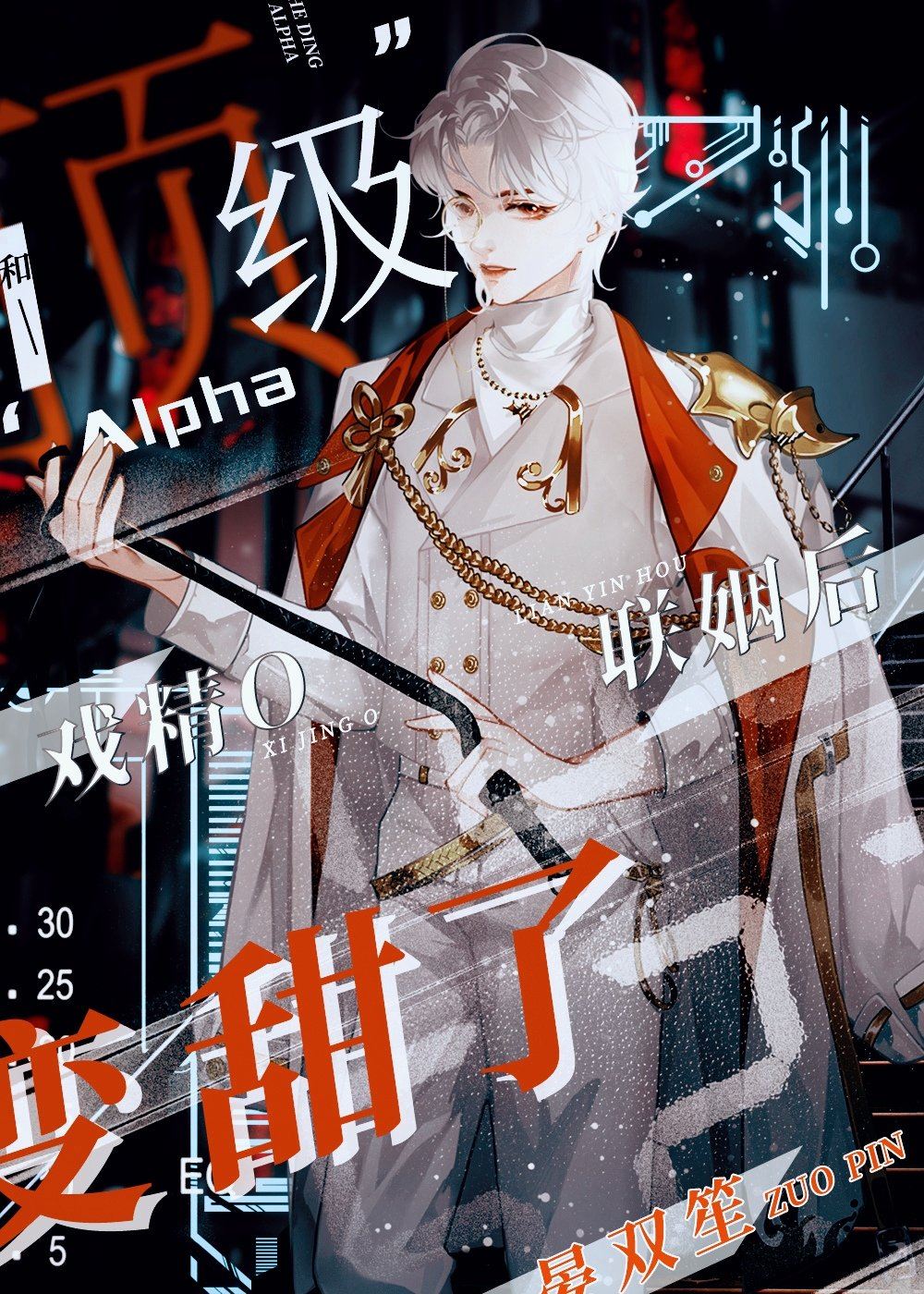
I cannot get over the absolute precision with which this chapter draws Chi Ning's two selves. One exists only while his mother is in the room—obedient, sweet, saying exactly the words a perfect Omega should say. The moment the door closes, the performance drops so fast it could power a starship. His face goes blank, he breathes out, and whispers two words: It was easy to fool. Two sentences, and suddenly everything we thought we knew about his family reframes. Every touch, every soft word from Ye Ru wasn't love—it was calibration. They were measuring their merchandise.
And then there's the beautiful, heartbreaking detail about his infrared eyes. He inherited them from someone else—a stranger—and he's looking at himself in the mirror wondering if his face is passable enough for this marriage. Passable. Not beautiful, not attractive, but passable. His value in this family isn't measured in anything human; it's measured in pheromone output, and his own text tells us he's considered worthless because his levels are too low. Worthless until the family discovered a use for him as a bargaining chip.
The relationship between Chi Ning and his younger siblings is also quietly devastating. His mother calls Yun a great hero if he can coax the general. Coax. Not marry, not love, not partner with—coax. Like training an animal. And Chi Ning accepts this language, nods obediently, says good night to everyone. But later, alone, he's digging through paper novels under his bed with the seriousness of someone handling contraband weapons. What is he protecting? Not just the books—I think he's protecting the version of himself that exists only in those stories, the version that gets to choose, that gets to be powerful, that doesn't have to perform obedience to survive.