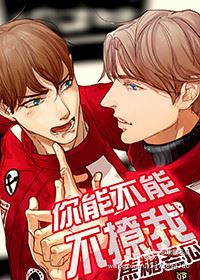
There's a symbol in this chapter that I can't stop turning over, and it's the idea of the AUCTION itself. People bid for time. They bid for conversations, for kisses, for the chance to pursue someone outside the club. Nothing is freely given — everything has a price, and once the hammer falls, there's no taking it back.
'I cannot seek a return or replacement after the auction has ended.' This line hit me harder than it should have, because it mirrors Hunter's relationship with Winston so perfectly. Hunter saved Winston's poem. He reserved it. He can't just give it away now because he already promised it to someone else — or to some future moment he hasn't even reached yet. The poem is something he's been keeping in reserve, like an auction lot waiting for its buyer. And Winston, who taught him the poem in the first place, is both the auctioneer AND the bidder, and he's been waiting the whole time.
Owen's warning to Hunter — 'if you reject him, he won't let you go' — reframes the whole dynamic. In this world, rejection doesn't end a transaction. It just makes it more expensive. Winston overtook McGrady not by speed but by psychological manipulation, by making him panic. That's the same energy he brings to his relationship with Hunter. He doesn't need to chase in the traditional sense; he just needs to create the conditions where Hunter can't escape.
And Hunter, blissfully unaware, thinking he's the one making choices, saving poems for proposals, deciding what's appropriate for different people… the irony is almost painful. He thinks he's the auctioneer but he's been bid on since the moment they met.