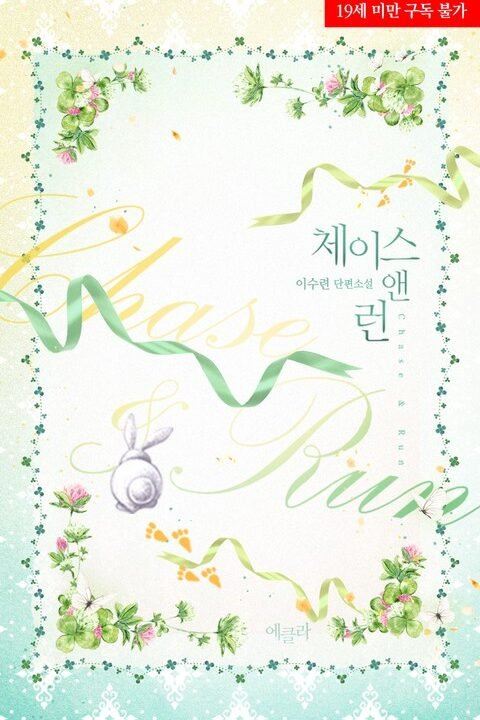
The white butterfly. That's the image I can't shake. It appears against the backdrop of bright sunshine, lavish dresses, and a splendidly set tea table—and it's the only thing that matters to ten-year-old Leticia. She forgets her mother's instructions, forgets the boring adults, forgets everything except this one delicate creature fluttering past the wide-open windows.
"The butterfly, though common, made her heart flutter even more today, thanks to the clear and sunny weather."
Common. Yet extraordinary to her. And it leads her somewhere she wasn't meant to be—a private garden, a forbidden space, a boy she has no business meeting. The butterfly is the temptation that pulls her out of order and into chaos. It's fate, dressed in white wings, saying: follow me and see what happens.
Then there's the ribbon. The sky-blue lace ribbon that holds her braid together—her attempt at appearing proper, presentable, acceptable at a gathering where she feels like an outsider. When it comes undone, Valerio catches it. Not maliciously, not spitefully. He just... catches it. And instead of returning it immediately, he uses it to fix her hair. His fingers brush her cheek. She freezes.
And then—she slaps him. Claims the ribbon back. And runs.
The ribbon becomes everything: her dignity, her vulnerability, the thing he holds and she can't retrieve. It's a tether between them, literally and figuratively. He touches something intimately hers and doesn't let go right away, and she interprets that as threat instead of care. A small piece of fabric, a single moment of hesitation, and suddenly a decade of enmity is born.
Even the garden itself feels symbolic—a fairy-tale space with child-sized furniture, artificial waterfalls, swings under trees. It's a world designed for children but inhabited by someone too old for it. Valerio belongs there. Leticia doesn't. And that mismatch—that fundamental sense of not belonging—drives everything that follows.