Cats Are Always Drawn to Butterflies - Reviews

Cats Are Always Drawn to Butterflies
+Add to Custom List
Sort
Add review
... Read More
Okay so this part where Shang Sui takes that photo of their interlocked fingers? I literally stopped reading and just stared at my phone. It's such a small moment but it tells us SO much about how these two operate around each other. Shi Qi is completely caught off guard - he just says 'What?' like he has no idea what's happening. But Shang Sui? He notices the dazed expression, smiles, and just snaps the picture without hesitation. Then he gives Shi Qi's fingertip a playful squeeze before retreating. That's not just flirting, that's someone who already knows how to read this person. And then the line 'This way, we look more like a couple' - delivered so casually, like it's no big deal, but it completely reframes everything that happened before. Suddenly all those 'compatibility test' moments make sense. Shang Sui has been building this narrative from the start, and Shi Qi is only now starting to catch on. But here's what kills me - Shi An doesn't press further after seeing the photo. He just tells them to focus on their relationship. That suggests he already knows something is going on, or at least suspects it, but he's choosing to let them figure it out themselves. The frozen bank card detail is hilarious though - shows that despite appearing to accept the situation, he's still keeping tabs. And then the gift situation! Shi Qi debating what to buy, Qin Shuhe's chaotic messages, and finally settling on this orange-accented jacket. It's so Shi Qi - practical, thoughtful, but also pushing slightly outside his comfort zone because it's FOR Shang Sui. Notice how he initially picks black but changes his mind? That's him trying to match Shang Sui's aesthetic, to understand what would suit him. That's care, even if neither of them would call it that yet. I'm waiting to see what Shang Sui's return gift will be. The fact that he offers immediately tells me he's not treating this as transactional - he wants the back-and-forth, wants to keep this connection going.
... Read More
What I love about these chapters is how the worldbuilding stuff doesn't feel forced or informational—it just naturally comes up in conversation and reveals character. Jiang Youning asking casually 'You didn't let him enter your reproductive cavity, did you?' while they're just messing around about pheromones? That's how you normalize your world's biology. The fact that special-rut Alphas are mentioned as extremely rare without any exposition dump tells me so much about the power dynamics in this universe. And then there's the whole gland transplant surgery thread that Shang Sui and Shen Qianyu bring up like it's nothing. One line of dialogue and suddenly I'm thinking about the ethical implications, the medical infrastructure, the fact that this is apparently a known procedure that someone went to such lengths to pursue. The banquet scene with Shang Sui and Shen Qianyu is also worth noting—formal attire, post-rut exhaustion, social expectations. Shang Sui normally can't be bothered with these events but he showed up, and Shen Qianyu noticed immediately. The world feels lived-in because even the casual mentions of Mirage's concert, the dance club connections, the study being locked with 'specialty items'—these details create a texture that makes the characters' lives feel real beyond just the romance plot.
... Read More
Let me just say — this is some of the most visceral sensory writing I've read in ages. The entire scene is drenched in atmosphere. First off, the bite guard itself is described as gunmetal black with a metallic sheen, and honestly? Shang Sui wearing it should look absolutely ridiculous, but instead the author makes it sound like the most dangerous accessory ever. His long hair falling forward, the cold leather straps, the way he turns something designed to restrain an Alpha into something that just makes him look even more devastating. I kept imagining this like a scene from a gothic romance novel. Then there's the sofa bed covered in that cloud-like fluffy blanket. It's described as impractical but beautiful — and I could literally see this in my head. The contrast between this soft, inviting surface and what's about to happen on it is brilliant. The world spinning when Shang Sui throws him onto it, the shadow cast by his hair, the way the room fills with both lily of the valley and honey scents until Shi Qi feels like he's been soaked in honey himself. The chain shackled to Shang Sui's ankle is such a small detail but it immediately signals danger and confinement. And that moment where the cold metal muzzle presses against Shi Qi's neck while his burning breath hits the same spot — the temperature contrast made me shiver. The author never just describes settings, they make the environment participate in the emotional intensity.
... Read More
Okay, can we just talk about how visually rich this whole festival sequence is? I went from a sterile biochemical factory tour straight into this explosion of color and life, and the contrast is everything. The author really knows how to paint a scene without bogging down the narrative. "Lush peonies were woven into arches, yellow bells cascaded like waterfalls on both sides of the waterway, and translucent skeleton flowers floated and sank in the fountains." That's not just decoration; that's world-building. It tells me this culture treats pheromones and flora as deeply intertwined aesthetics. Then we get to the stall itself, and suddenly I'm hyper-aware of Shang Sui's outfit. The "sheer knit cover-up," the "long bronze necklace," the matching choker—it's a character study in textiles. He looks like he's ready to strut, not just sit at a flower stand. And the detail about the "colorful graffiti" on his bag being hand-drawn? That adds a layer of personal craft to his Alpha persona. It's not just rich; it's creative. The setting feels alive because it's saturated with sensory details that mirror the emotional volatility of the characters. The bright sun and festive crowd make Yu Zhiling's dark, secret plans feel even more jarring, like a shadow passing over a painting. "Everything felt cheerful and uplifting, the air seemingly filled with colorful bubbles." That bubble metaphor is doing a lot of heavy lifting, hinting at the fragility of this perfect moment before it pops.
... Read More
Oh my god, can we just talk about Shang Sui for a second? This guy is so much more interesting than he lets on. On the surface he's all calm and gentle, offering to help Shi Qi willingly, not taking money, quitting his job — but beneath that there's this incredibly calculating, possessive streak that just made me choke on my water. The moment he says "Don't forget it this time" while smiling? That is not the statement of someone who is merely being nice. That is the statement of someone who has made a decision and is now locking the door behind him. He doesn't just want to help Shi Qi. He wants to be the one Shi Qi reaches out to. Forever. And the worst part? Shi Qi is completely oblivious. He's sitting there thinking about how he can't afford this and whether he should cancel his ski trip, while Shang Sui is basically rewriting the entire terms of their relationship in three sentences. Look at what Shang Sui does: he reframes the offer from a transactional arrangement into something personal and permanent. He quits Huijian. He gives up seeing other people. And then casually drops that they're a couple now and asks to call Shi Qi "Xiao Qi." Just like that. The power shift is so subtle it's almost invisible until you realize you've already lost. But here's what really got me — Shi Qi actually *feels* it. The text says he felt like prey caught beneath a beast's claw. He literally senses the danger. And yet he doesn't run. He just sits there frozen while Shang Sui rewrites their entire dynamic. That tells me something huge about Shi Qi: he trusts Shang Sui, maybe too much. He senses the trap but walks into it anyway because the alternative — facing his own family's pressure alone — is worse. Or maybe... maybe part of him is relieved to let someone else take the reins for once. Meanwhile Fu Siyue is out here still playing childhood games, completely unaware that his obsession is what's keeping Shi An desperate and controlling. Lin Yan sees it clearly though — he calls Fu Siyue an obstacle without even realizing it himself. The friend group dynamics in this book are a minefield and I am here for it.
... Read More
Okay, so let me just say—this entire sequence is a masterclass in how to turn a quiet night into something that feels like the axis of the whole story is shifting. Think about it: the thunderstorm arrives out of nowhere, and suddenly everything changes. The plot had been building this quiet, almost domestic tension for chapters, right? Banter, teasing, sharing a bed but keeping distance. And then BAM—lightning, rain, forced proximity. The storm is basically the plot device that strips away all their defenses. What I love is how the author uses the thunderstorm as both literal weather and emotional catalyst. Shang Sui says he's scared—not of the storm, but of something deeper—and that reveal lands because we've spent chapters watching him be this composed, sharp-tongued Alpha who never cracks. The moment Shi Qi covers HIS ears instead of the other way around? That's the plot twisting back on itself perfectly. Six years of separation, six years of unspoken things, and a thunderstorm brings them to this exact point in the dark. And that cliffhanger at the end—Shi Qi's hand sliding lower, "something didn't feel right"—classic author move. Just when you're melting into the sweet aftermath, WHAM, back to comedy. The pacing here is everything: slow burn, sudden intimacy, tender vulnerability, then the most perfectly timed comedic accident to keep you from getting too soft. I was genuinely caught off guard.
... Read More
I need to talk about this triangle because WOW. Two Shang Suis, literally the same person at different ages, both obsessively holding Shi Qi's hands like he might float away if they let go. The younger one says he's afraid of getting lost. The older one says the same thing. Same words, different delivery, same underlying panic. That hit me right in the chest. The vendor literally asks if they need help because this is absurd. Two identical-looking men, each claiming Shi Qi as theirs in their own way—the younger flat out says boyfriend while the older calls him addled—and Shi Qi is stuck in the middle doing nothing but existing. And yet, both of them hold onto him. Not aggressively, not violently, but with this desperate grip that says: don't look at anyone else, don't leave, stay right here. What's fascinating is how they mirror each other. Same fox-like eyes, same murderous glances toward each other, same synchronized apology moments. They're competing for ownership of Shi Qi while simultaneously being the same person. The Alpha sneers at Shang Sui's flattery, Shang Sui throws it right back. It's narcissistic rivalry at its peak, except the object of desire isn't themselves—it's Shi Qi. And that makes it infinitely more complicated. Who is Shi Qi choosing when both options share the same face, the same mind, the same history? Also that line where the Alpha tightened his grip on Shi Qi's hand and glanced at his future self before lying to the vendor—that single look said everything. He knows his own nature, he knows what the older version represents, and he's already calculating how to compete with himself.
... Read More
The structure of this section is BRILLIANT and I need to break down why. We open in media res at a musical curtain call — Jiang Yan just woke up from falling asleep. This is already a bold choice because the author could've summarized the whole experience in a paragraph but instead chose to have us arrive mid-experience, disoriented alongside the protagonist. Immediately immersive. Then the biggest pivot in the entire passage: Jiang Yan brings up Huijian, Shang Sui agrees INSTANTLY, and Jiang Yan's reaction is pure panic. 'Why do you sound so scary?' This is where the chapter earns its tension — the reader is supposed to be unsettled now, and the author delivers exactly that. Then the SHEN QIANYU ENTRANCE. We go from warm business talk to cold medical dread in two lines. 'Damn, why is that pervert Shen Qianyu here too?' and suddenly we're in a completely different tonal register. The Shen Qianyu scene functions as both comic relief AND worldbuilding exposition about the Alpha/Omega society. But the real pacing masterstroke is what happens next — we cut to Shi Qi receiving a gift, completely separate from both plotlines, and somehow it fits perfectly. The parallel structure of two different people receiving Shang Sui's attention from two different angles is what elevates this from standard chapter writing to something more deliberate. The final beat with Lin Yan's incomplete thought about Shi Qi being soft-hearted — we don't get the full sentence. We just get the moment hanging in the air. That's a cliffhanger that doesn't need action to work.
... Read More
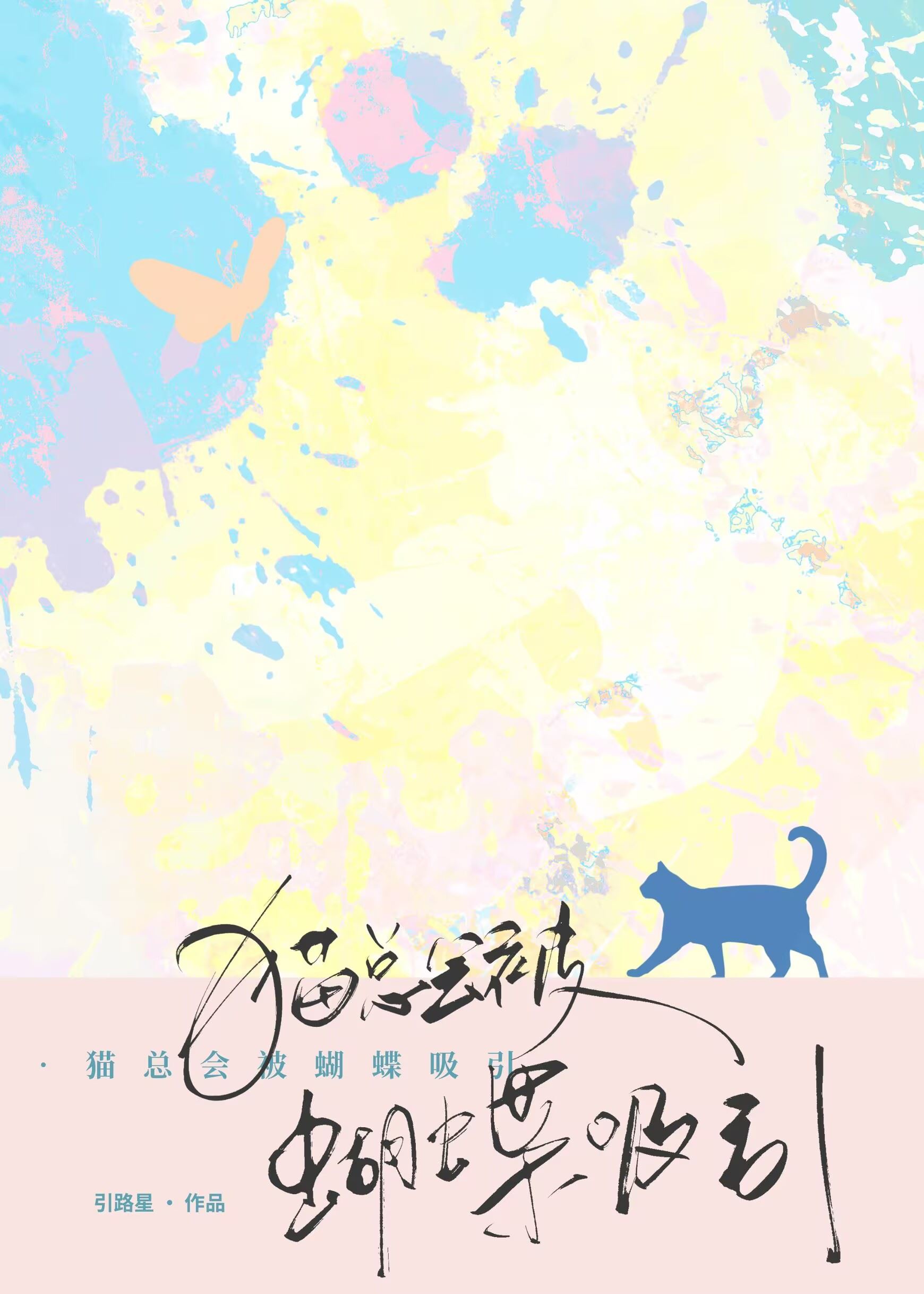
The author really knows how to paint with light. That winter day scene where Shi Qi appears? Let me just... let me just sit with this for a second. 'Shi Qi stood bathed in warm, dazzling golden light; his skin and hair shimmered with a translucent glow, like something out of a fairy tale.' This is the kind of description that makes me physically stop and imagine the frame. It's not just 'he looked nice' - it's cinematic. The warm light, the translucency, the almost-otherworldly quality. And then Shang Sui's internal comparison to an angel? Perfect. It establishes both characters' perspectives simultaneously - Shi Qi as the luminous, almost untouchable figure, and Shang Sui as the one observing, appreciating, but keeping distance. But then you cut to the hallway with the girl offering cookies, and the contrast is brilliant. You have this moment of normal campus life - students being polite, offering homemade treats, the casual social dance - and then Shi Qi appears halfway down, watching Shang Sui interact with someone else. The author doesn't need to spell out the jealousy or possessiveness; it's there in the framing. The art academy setting feels lived-in too. You get references to Professor Xie, the teaching building, fifth floor, stairwell corners - it's specific enough to feel real but not so detailed that it slows you down. The grand theater at the end with the scarlet curtain descending gives this almost theatrical quality, like the whole story is building toward some kind of performance or revelation. And the color contrast throughout - black and white clothing for Shang Sui, then this sudden burst of orange on the jacket, the pink gift bag, the golden light - it all creates this visual language that reinforces the emotional beats without saying a word about them.
... Read More
Let me just say this: the author structuring these two parallel confession preparations in one chapter is actually brilliant and I need to discuss it. We start with the comedic energy of the sibling scene—fast-paced, punchy dialogue, physical comedy with the elevator escape. Then it dips inward into Shi Qi's private moment, slow and introspective, working through his feelings. Then—bam—we cut to Shang Sui at a formal banquet having an entirely different conversation with Shen Qianyu, and that scene moves at its own deliberate pace, revealing backstory through banter. Both threads are building toward the same emotional destination: these two men are about to confess to each other, and we get to watch it happen from both sides simultaneously. The transition between Shi Qi receiving Jiang Yan's message about Shen Qianyu's birthday and then immediately texting Shang Sui is such a clean structural pivot—it connects the two storylines and raises the stakes because now there's a third event looming. And that ending with Shang Sui's half-finished thought about sketching? Classic cliffhanger that makes you immediately want to read the next chapter. The pacing never drags because even the quiet introspective moments are charged with anticipation.
... Read More
This scene is a masterclass in building tension through dramatic irony, and I am here for it. The external conflict is straightforward—Shi Qi wants pheromone companionship, Shang Sui is unexpectedly offering it. But the real stakes are internal, and they're stacking up faster than you'd expect. For Shi Qi, the conflict is subtle but real. He's spent his life unable to tolerate any Alpha's scent. Here comes one that feels like heaven, and his body is responding before his mind even catches up. Every time he leans in, every time his ears turn pink, he's moving further into territory where he might start feeling things he's spent years avoiding. For Shang Sui, the stakes are astronomically higher. He just found someone from his past who doesn't remember him at all. Does he reveal himself and risk overwhelming Shi Qi with history the younger man can't access? Or does he stay silent and watch Shi Qi treat him like a stranger, like a service provider, like something disposable? The author makes us feel every choice Shang Sui is weighing in real time. Notice how he keeps questions ready but doesn't fire them all at once. 'You don't even remember my name' hangs in the air at the end like a sword. The moment of highest tension comes when Shi Qi presses his face into Shang Sui's palm. In that second, two things happen simultaneously: Shi Qi experiences genuine comfort for the first time with an Alpha's pheromones, and Shang Sui experiences the devastating realization that his past is sitting inches from him and has no idea who he is. The reader knows more than either character fully grasps, and that gap between what we know and what they know is where all the suspense lives. I'm absolutely hooked.
... Read More
The setting in this chapter is so deliberately claustrophobic and I love it. You've got this hotel room—already an isolated space, nowhere to escape—and the entire scene plays out against bedsheets, a door that someone keeps knocking on, and the thick floral scent that the narrator describes like it's physically present in the air. What stands out to me is how the author uses sensory details to make you feel Shi Qi's disorientation. The white sweatshirt and sweatpants he never changed out of. The hem easily lifted. The bedsheet gripping his trembling fingers. These aren't decorative details—they're anchors that keep the scene grounded even as Shi Qi's consciousness fades. And then there's the door. Knock knock knock knock knock. Lin Yan's voice cutting through, desperate and worried, while inside the room this entirely different drama is unfolding. The contrast between the outside world (where Lin Yan is pacing and Qin Shuhe is shouting idiotic things) and the inside world (where pheromones and instinct take over) creates this incredible tension. The author literally uses the knock as a pacing device—interrupting just when things peak, then pulling back. The final image of the heavy floral scent filling the room like "the vitality of spring" is brilliantly evocative. It's almost grotesque in its beauty, announcing what happened without saying a word. It's the kind of environmental detail that turns a bedroom scene into something mythic, like the room itself is bearing witness.

Leave a comment

You must be logged in to leave comments. or
