Cats Are Always Drawn to Butterflies - Reviews

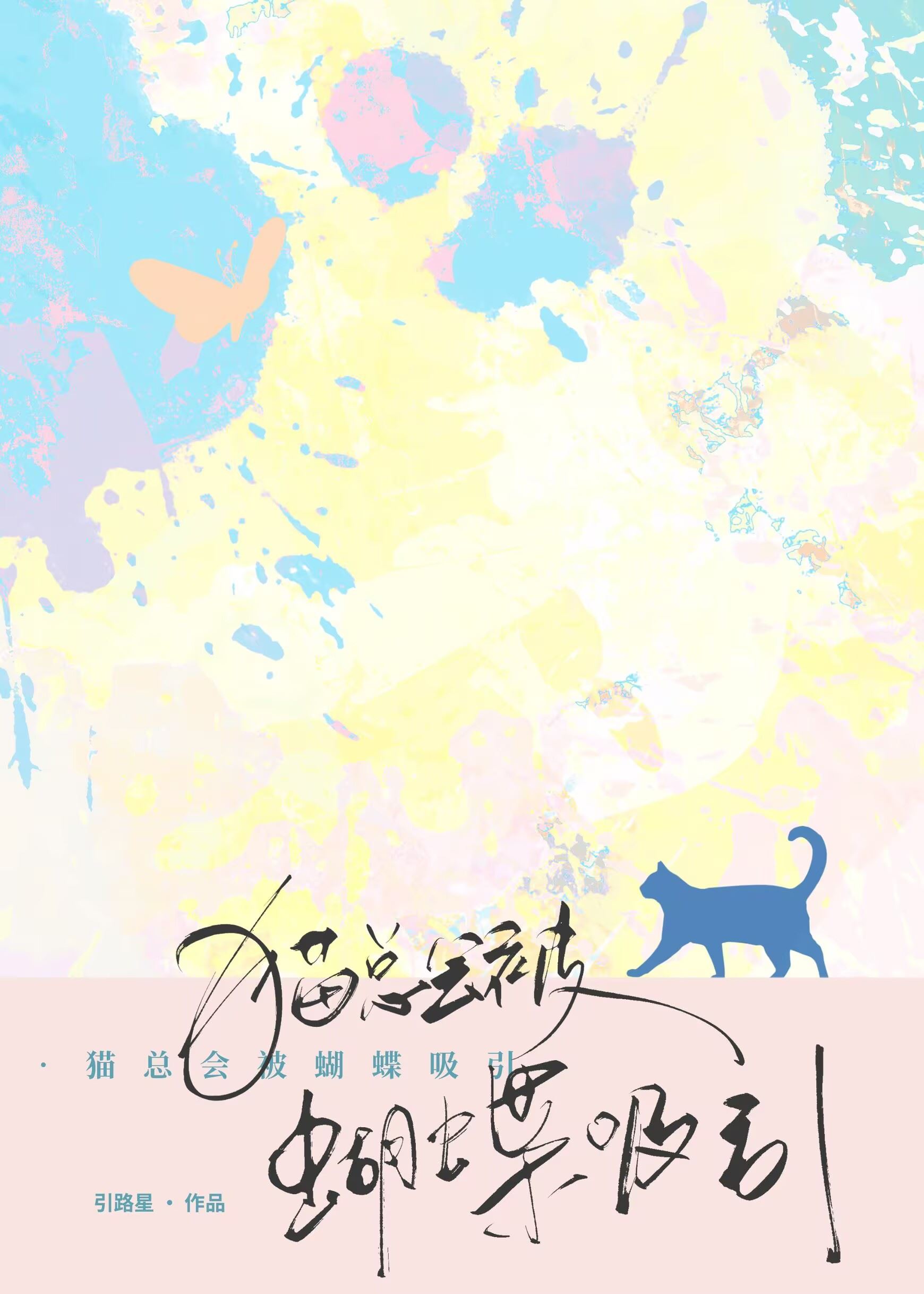
Cats Are Always Drawn to Butterflies
+Add to Custom List
Sort
Add review
... Read More
Okay so let me just say that moment when Shang Sui agreed to being locked up?? I almost spilled my drink. Like of COURSE he said yes. That man has been playing the long game since chapter one and here he is, voluntarily handing Shi Qi the leash while simultaneously proving he belongs exactly where Shi Qi puts him. It's genius manipulation disguised as submission. But the real character moment though is Shang Sui asking 'can Xiao Qi come see me once a day?' After hearing 'lock him up' his first instinct wasn't rejection or pride — it was negotiating visitation rights like this was actually a dream scenario. His Alpha pride is so thoroughly dissolved for Shi Qi it's almost painful to watch. And then when Shi Qi calls him Xiao Sui-gege... the pheromone shift! The text literally says the scent changed from 'warm syrup to sticky spider silk' — dominant, possessive, immediate. Drunk or not, that Alpha response is involuntary and it tells us everything about where his head is at. Shi Qi on the other hand — calling him a drunk idiot right after testing him? That's classic Shi Qi deflection. He can't handle vulnerability directly so he runs away with humor. But then his hand shakes off Shang Sui's grip and immediately he regrets it. The chase dynamic between them keeps shifting and I'm obsessed.
... Read More
Okay so let's talk about the absolute CHAOS that is Shi Qi's emotional state in this chapter because WOW. First you've got Gu Cheng basically invading his space with those rotting grape pheromones, and Shi Qi's reaction is pure territorial animal—backing away, irritation boiling over. Nobody likes an intruder, am I right. But then Shang Sui shows up and suddenly everything shifts. That honey scent wrapping around Shi Qi like amber? I actually got goosebumps. The way Shang Sui looks at Gu Cheng—cold, slit-pupiled, absolutely terrifying—is such a protective flex that I lost it. Here's the thing that got me though: the headband scene. Shang Sui helping him adjust it, fingers brushing skin, touch so gentle like he's afraid of breaking him. This guy is radiating this calm, steady warmth, and then he goes and asks SHI QI if he's in heat. Direct. Blunt. Almost rude. But also? The fact that he notices something's wrong when nobody else does. That's care disguised as bluntness, and it works.
... Read More
The setting in these chapters does more work than you'd expect. We start in public—dinner, drinks, social performance. Then we move to the narrow alley where Shang Sui smokes and Shi Qi pulls him away. That transition from crowded space to confined one mirrors their emotional shift. But the real magic happens at home. The entryway with its motion sensor light that dies just as Shi Qi is about to turn on the main light—that's not accidental. The darkness becomes a safe space where pheromones can run wild without social judgment. And the living room? Moonlight through floor-to-ceiling windows gives them enough visibility to see each other's expressions but not enough to hide behind full brightness. It's liminal space. The author uses sensory details brilliantly: the 'faint jingling sound' of the pearls, the 'sweet scent' of honey pheromones, the 'soft thud' of slippers dropping. Even the furniture matters—that 'plush, shaggy sofa' that receives Shi Qi like a offered gift. The world-building here isn't about describing a fantasy city or magic system; it's about making the ABO dynamics feel physically present. When Shang Sui's pheromones surge, we feel it through Shi Qi's buckling knees and burning glands. The environment responds to emotion. That's mature worldbuilding. It doesn't need exposition; it shows how love, jealousy, and fear physically alter the space around two people. I kept thinking about how the sensor light, which only activates for movement, feels like a metaphor for their relationship—it's there when they're active, but goes dark when they stop moving. Comfortable silence is harder to maintain than constant connection.
... Read More
That jewelry set Jiang Youning mentions isn't just a gift; it's a thematic centerpiece. Bracelet versus anklet—that's not about aesthetics; it's about visibility and control. A bracelet is worn openly, displayed. An anklet is hidden, known only to the wearer and those close enough to see. When Jiang Youning says 'Most Alphas have dirty minds,' she's touching on something deeper: how symbols of commitment are interpreted through power dynamics. Shi Qi's casual 'let him choose' reveals his trust; he doesn't need to control the symbolism because he believes in the substance. But Shang Sui's reaction to the photographer's interest shows how fragile that trust can feel. The recurring imagery of wrapping and unveiling—pearl chains covering glands, gifts being unwrapped, pheromones enveloping—points to a core theme: intimacy as both comfort and captivity. Are we holding someone close, or trapping them? The darkness versus light motif runs throughout. Entryway sensor light dies, living room has moonlight, then electric light floods in. Each transition marks a shift in vulnerability. And that line about mental manipulation—'you might forget all of them and only remember me'—that's the ultimate theme: love as erasure. Is devotion about remembering everything about your partner, or about replacing their entire world with yours? Shang Sui's fear isn't just losing Shi Qi; it's becoming the only thing Shi Qi knows. The lollipop in Shang Sui's mouth versus Qin Shuhe's cigarette—that's symbolic too. Sweetness versus burn, temporary pleasure versus adult habit. Two different approaches to comfort, mirrored in how each Alpha loves. Jiang Youning's pink flowers and hearts floating around Shang Sui's head aren't just romantic comedy tropes; they're visual metaphors for how love alters perception. Everything in these chapters is layered. Even the dinner itself feels like a ritual before the real conversation begins.
... Read More
I need to talk about the opening scene because the imagery here is striking. Not just the intimacy itself — though it's written with this lazy, satisfied warmth that makes you feel like you're eavesdropping on something private — but the details around it. "The chain around Shi Qi's ankle was pulled slightly, grazing gently over his prominent ankle bone." There's something almost tender about that image. Restrictive, yes, but also... careful? Like even in restraint there's awareness. And then the red ribbons. "The red ribbons had bound his legs separately at first, then tied them together in the end. He couldn't break free, like a fish laid out for the slaughter." That simile hit me differently than I expected. It's vivid, it's visceral, but it's not cruel — it's more like a memory of being completely surrendered, and the fact that he can joke about it later with Shang Sui says everything about how safe he feels. The bathroom scene — washing his face, the jeweled bracelet swaying, the dazed expression — it all paints this picture of domesticity that feels earned. This isn't their first morning after something intense. It's routine now. Comfortable. The world outside these walls (Ningshan Hospital, gland examinations, family expectations) keeps creeping in through phone calls, but inside this apartment, for a few hours, there's just this warm, messy, human stillness.
... Read More
This chapter is obsessed with scent and taste as metaphors for power and vulnerability, and it's so subtle you might miss it if you're not paying attention. The honey smell — Shi Qi catches a faint whiff and his mouth waters. Honey is sweet, it's addictive, it's the most natural pheromone trap. But it's also something that preserves, something that cements. Shang Sui's scent is literally intoxicating him, making him pliable, making him forget where his own desires end and the pheromones begin. Then there's the blood. Shang Sui tears open his own scab deliberately. Blood as currency. Blood as bargaining chip. The pheromones in his blood are described as "especially strong" — his very essence, his very life force, offered up as a lure. And Shi Qi's response is animalistic, instinctive, completely bypassing his rational mind. Blood and honey — the two most primal forms of sustenance and reward, combined into one offering. The snow at the end is the perfect counter-image. Pure white, falling silently from ten thousand meters, cold and clean and temporary. It covers everything in a blanket that hides the bruises on Shang Sui's hand, the red marks from Guo Cheng's grip, the messiness of human biology. Snow is purity, but it's also erasure. It melts. It doesn't last. And the hand — so many hand images throughout. The bruises from being grabbed roughly, the clasped hands outside, the hand pulled away to tease, the hand deliberately reopened. Hands as instruments of violence and tenderness, of control and surrender. Shi Qi clinging to Shang Sui's hand like it's the only thing keeping him grounded, while Shang Sui controls exactly how much contact they get. "I hope you won't be scared of me" — said through snow, through bleeding, through a body that wants something it can't properly name. What is there not to be scared of? The compatibility? The rut? The fact that Shang Sui just used his own biology to manipulate someone who couldn't possibly consent properly? The snow falls anyway.
... Read More
The dialogue in this thing is so sharp it cuts. Let me just start with the absolute gem of the entire batch: "Ten of them together still wouldn't beat me in looks." Shi Qi says this with zero irony, completely deadpan, about thirty seconds after describing himself as a ghostly vampire who sleeps until five. The self-awareness is a lie but the delivery is immaculate. And Lin Yan's voice is perfectly calibrated chaos. He's the type of friend who says things like "I even asked the Alpha if I could pay extra for a date. Offered this much." and then just sits there laughing at his own joke. The line about treating the attendant like "an NPC eating with you, like those hot ghost NPCs in amusement parks" is unhinged and I love it. But the real masterpiece is the waiter Alpha exchange. This guy comes in doing the full performance—"Good looks really do make any color work," leaning in, pheromones wafting—and Shi Qi responds with, "Actually, I wanted to try a hair color like yours before, but I always felt I couldn't pull it off." That is a diplomatic landmine disguised as small talk and the waiter absolutely walked right into it. Then when the rejection hits, the waiter's pivot to "No one's ever canceled on me before" with a pitiful look? Comedic timing is perfect. The text messaging section is also brilliantly formatted. Fu Siyue's desperate spiraling in real-time while Shi Qi just sends a question mark and then blocks him—dialogue without dialogue, and it says everything.
... Read More
I have to stop and appreciate the visual writing in this passage because the author absolutely delivers when it comes to atmospheric scenes. The final image — Shi Qi and Shang Sui walking beneath silver moonlight that flows like water and lanterns that drift like colorful mist, their fingers intertwined — is Cinematic. I mean that in the best possible way. I can literally see this as a film scene: soft focus, warm lighting, the kind of shot that would make viewers hold their breath. The prose doesn't just describe; it paints. And before that, the safehouse setting — cramped, tense, charged with suppressed heat pheromones and unresolved conflict — creates such a claustrophobic, heavy atmosphere that when they finally step OUT into the open night, the release is almost physical. It's like the reader gets to breathe again. There's also the subtle worldbuilding layered into the investigation scene — the Chemical Engineering Department visiting flower fields, Qijiang's flower fields being a vital source for suppressants and pheromone products. This isn't just set dressing; it's showing us a world where biology and industry intersect, where bodies are commodified in ways both medical and commercial. The flower fields being described as an "endless sea of flowers" that captured students' attention — there's irony there, because these beautiful fields produce the very chemicals that control fundamental human (or ABO) instincts. The author clearly has a keen eye for sensory detail. The faint sweet scent on Shang Sui that Shi Qi inhales while crying into his shoulder. The silvery quality of the moonlight. These aren't decorative — they ground us in a physical world that feels tangible and real. That's skillful writing, plain and simple.
... Read More
This chapter is a masterclass in controlled escalation. It opens wide and warm—festival atmosphere, bracelets being given, laughter, the stall girl's generosity. Everything feels light. Then slowly, almost imperceptibly, the temperature starts dropping. First it's Shang Sui's silence when the Alpha woman approaches. Then it's Yu Zhiling appearing with his red iris bracelet. Then the probing question about Shi Qi's bracelet. Then the physical reach—a hand touching the wrist. And finally, Shang Sui's voice cutting through: "Always so touchy, aren't you?" Each beat adds pressure without breaking the surface calm. The author could have made this a dramatic confrontation scene with shouting and accusations. Instead, everything happens in glances, hesitations, and almost-touches. The tension builds through what is NOT said. And then there's the structural irony of the festival's purpose—bracelets equal performances, more bracelets means you get pulled on stage. Shi Qi and Shang Sui are about to enter a public space where they'll be watched by hundreds of people, and just minutes before that, there's this barely-contained private drama. The upcoming performance becomes charged with unspoken history. The chapter ends on a quiet note—Shang Sui saying "Let's head to the plaza, okay?" and Shi Qi nodding. But the air is completely different now. The reader knows more than the characters walking toward the fountain. That gap between dramatic irony and forward momentum is what keeps you turning pages.
... Read More
I need to talk about stakes because this chapter is quietly raising the bar on every single conflict this story has been building. On the surface: two guys caught in an awkward moment. Simple. But underneath? The stakes here are enormous. Lin Yan knowing. Chu Tao and Su Zhou knowing. The entire group knowing. For people who were actively pretending not to be together, this isn't just embarrassment—it's a point of no return. Once everyone sees them like this, there's no going back to 'just partners.' And internally, Shi Qi's conflict is razor sharp. He's the type who 'cares about appearances' and now his appearance is in tatters. But he's also the type who, when pushed, responds with chaos—straddling Shang Sui, throwing pillows, making threats that are clearly empty. The tension between who he thinks he should be and who he actually is with this person? That's the real conflict. Shang Sui's stakes are different but equally high. He's an Alpha who's supposed to be in control, and yet he's the one constantly being flustered, constantly second-guessing his own reactions. His threat to make Shi Qi's accusation 'come true' isn't really a threat—it's an invitation. He's testing the boundary. The chapter ends on a cliffhanger that's almost mundane but emotionally devastating: Lin Yan asking 'so what's really going on?' And Shi Qi beginning to answer with 'no, it's not li—' and then the text cuts off. That's not a chapter ending. That's a heart stopping.
... Read More
I need to talk about the bathroom scene because my heart actually hurt reading it. Not in a bad way, but that specific kind of ache when you watch two people navigate intimacy like they're walking on eggshells made of pure gold. Shi Qi, clearly drunk, does this little thing where he licks his fingertip and calls it an indirect kiss. And Shang Sui? His face freezes. The author writes: 'His Adam's apple bobbed slowly, and his voice turned hoarse.' That single line does SO much work. You can see the entire war happening behind his eyes — desire vs restraint, and he chooses restraint every single time. Then he comes up behind Shi Qi at the sink, presses close, and says something so devastatingly tender: 'Your fingers are so slender, so pretty.' He could've said something dirty. He didn't. He complimented his hands. The way Shi Qi melts into him — leaning against Shang Sui's chest like a cat finding its favorite sunbeam — it's one of those moments where everything just clicks. No grand confession, no dramatic music. Just warmth and quiet understanding. And Shang Sui suppressing 'the crude impulse' to press him against the sink? That man is a saint. A very aroused saint. What got me most was how Shi Qi searches for something to say when Shang Sui fastens his seatbelt in the car. He's vulnerable, drowsy, barely conscious — but still aware enough to notice the beauty mark near Shang Sui's eye, close enough to trace with his gaze. The fact that he doesn't panic, doesn't pull away, just drifts off against Shang Sui's chest? That's trust. Deep, bone-level trust.
... Read More
Okay, can we just talk about how perfectly Jiang Youning and Shi Qi function as a chaotic duo? They're not even blood siblings but somehow their dynamic is more natural than half the actual family relationships in this book. The way she immediately catches on when he asks where she got those condoms—no hesitation, pure 'this brat is asking for it' energy—and then proceeds to absolutely throw Shang Sui under the bus? Chef's kiss. But what actually got me is the moment she says 'Baby, you've really grown up.' That hit different because up until then she's been treating him like her mischievous little project, and suddenly she's acknowledging that he's making real romantic decisions now. She even picturing him as a cartoon cat tying a bow around himself and climbing into a gift box? That's not just funny, that's her quietly mourning the loss of her baby brother while also being genuinely happy for him. Meanwhile Shang Sui and his friend Shen Qianyu—those two have this weird history where Shen Qianyu can see right through him like always, calling out that he 'ran away' instead of facing Shi Qi directly. And Shang Sui's counterattack about the gland transplant surgery? Brutal. He remembers exactly what Shen Qianyu did and weaponizes it immediately. These characters have depth and they remember everything.

Leave a comment

You must be logged in to leave comments. or
