Be a Female War Goddess in a Strange World - Reviews

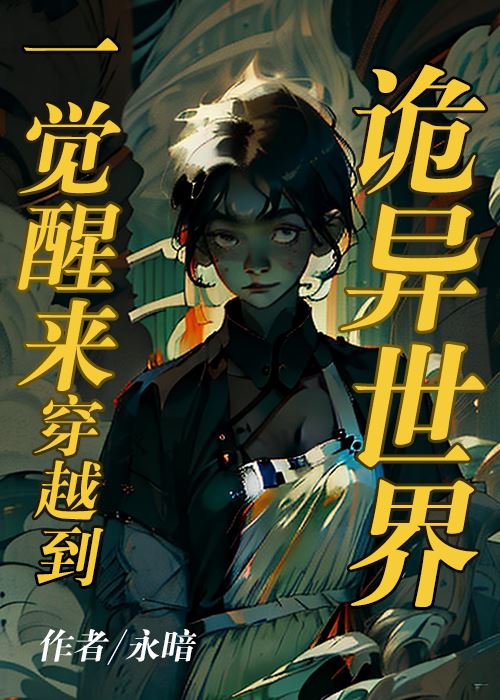
Be a Female War Goddess in a Strange World
+Add to Custom List
Sort
Add review
... Read More
Can we just talk about Wu Liang for a second? This boy went from being the one with the plan to being completely, utterly overshadowed in like ten minutes. He's the one who dragged Linlin out of the freezer scene, he's the one who knows where his corpse should be, he's the guide here — and yet the entire chapter reads like a Linlin solo performance. The moment that really hit me was when Wu Liang witnesses her cutting up the chef and then immediately charging into the black mist without any protection. His internal monologue: "He had many theories, the most outlandish being that she herself was originally from the Underworld." BRO. He's sitting there connecting dots that would get him committed if he said them out loud, and he's right but also absolutely terrified. And then the sycophancy kicks in. "You possess formidable abilities; you are my leader." He goes from suspicious to full-blown follower so fast it's comedic. But there's something genuinely sweet underneath it — he's not flatter ing because he's weak, he's flatter ing because he's seen what she can do and he's made a calculated decision that loyalty to her is the safest bet. The scene where he's dragging her toward the stairs while she's still covered in black mist is also wild. He's worried about her corruption, she's cheering about getting a new weapon. Their dynamic is just fundamentally broken and I'm here for it. "With such power, I trust my remains will soon be reunited. Then we shall kill the Headmaster together." That line though — he's already accepted his death and is making plans around it. That's either the most loyal thing ever or the most tragic, and I can't tell which.
... Read More
"Since we've already broken so many rules, what's one more? Don't you all want to get out?" Qiangzi is my new favorite side character and I need everyone to know this. That line? Pure charisma. He's the kid who looks at an impossible situation and decides the only rational move is to go all in. There's something so refreshing about a character who doesn't whine or hesitate—they just act and drag everyone else along with them. And the narrator's internal voice throughout this entire passage is so distinct. The snark is immaculate. "Don't drag me into this. I'm not the actual Head of Academic Affairs; I couldn't possibly do such a thing." The dramatic irony of saying this while actively helping the resistance? Perfect. The narrator never takes themselves seriously even when the situation is life-or-death, and that tonal balance is what makes them such a joy to read. Wu Mingda's dialogue when he confronts "Liu" is also brilliant writing. Every line drips with controlled rage and institutional authority. "You'd be better off joining the kitchen staff." "You know my temper." This is a man who has spent so long wielding power that he doesn't even realize he's talking to someone he should be terrified of. The verbal sparring here is layered with everything unsaid—and the narrator's calm, practiced responses are the perfect foil to his volcanic anger.
... Read More
I keep coming back to the library. Not just because it's where the action happens, but because the author treats this space like a character itself. The dilapidated dark staircase. The third floor swallowed in shadows where Wu Liang's uncle was hiding the whole time. The ground floor "dark and deserted, utterly silent" except for the campus map display catching moonlight from the smartwatch. It's Gothic and claustrophobic and I could picture every frame. Then Wu Mingda storms in and the whole atmosphere shifts. Glass shattering on the third floor—the sound described as deafening, lasting for ages. You can practically hear the narrator's heart rate spiking through the prose. When he finally emerges in a hurry, bloodshot eyes peering through the shrubs, it's the kind of villain entrance that belongs in a thriller movie. The surveillance system is such a smart worldbuilding detail too. Rules about absence rates, cameras everywhere, the one broken camera in the chemistry classroom that someone (probably our girl) sabotaged. This isn't just a haunted school—it's a panopticon. Every movement tracked, every rule enforced, every rule-breaker punished. The fact that nighttime offers a reprieve but daylight is even more dangerous? That's chilling. It makes every departure feel earned and every return feel like walking back into a trap.
... Read More
This chapter opens at full throttle. Slaps, threats, decapitation-adjacent violence, and within the first few paragraphs we're already descending into what smells like a butcher shop full of ghouls. The author doesn't waste a single word on setup — we drop straight into chaos and ride it all the way to the crimson chamber. But here's what I appreciate: the pacing deliberately SLOWS down once we hit the old man's story. All that violence, all that frantic energy, and then suddenly it's just two people in a room and the old man is talking. No action. No threats. Just exposition, but handled so well that it doesn't feel like exposition at all. The author uses the protagonist's impatience (“I'm all ears”) as a bridge, which keeps the momentum even during the dialogue-heavy section. The scene transitions are also clever. From the ghouls clearing rubbish (darkly comedic beat) to the crimson chamber (unsettling visual shift) to the emotional confession (gut punch) — each transition marks a tonal change that pulls you deeper. The ghouls obeying the old man's rules about tidiness? That's such a weird, specific detail that makes the world feel lived-in without slowing anything down. My only critique: the reveal about Wu Mingda's pact and Wu Liang's sacrifice comes in one massive information dump. It works emotionally, but structurally it's a lot to absorb at once. I found myself re-reading the paragraph about the flesh-colored orb three times. Would've liked it spread across a couple more scenes for breathing room. The cliffhanger ending — “instructing me to leave” with Wu Liang's identity as a communicator still unexplained — is perfect. Made me immediately open the next chapter without thinking about it.
... Read More
I need to talk about these library rules because honestly they are some of the most creative horror worldbuilding I've read in a while. Like, the author didn't just slap together generic spooky school tropes — every single rule feels like it was designed to suffocate you psychologically. "Please refrain from visiting the library unless absolutely necessary" — already sets the tone that this place is dangerous just by existing. "Maintain quiet" with patrol officers who may or may not be monsters. The third floor is forbidden. And then there's that fifth rule, scrawled by hand with still-damp ink: "During study periods, the library will monitor students' attention levels. Should you wish to move about, please keep your eyes fixed on your feet." Fifth rule, handwritten, still wet, in an utterly deserted library. Who wrote it? When? The Headmaster? Another student who figured out the rules too late? The fact that the ink is damp means someone was *here*, writing this, recently, while pretending the place was empty. That image alone sent chills down my spine. And the atmosphere of the library itself — classical Western-style elegance, three floors, remarkably quiet and deserted until the moment you sit down and suddenly it's packed with people who vanish when you stand up. The contrast between the physical space (which feels almost scholarly and dignified) and the entities that inhabit it (faceless, mouth-covered monstrosities) creates this deeply unsettling cognitive dissonance. The scene where the protagonist hides in the storeroom and the multi-mouthed creature starts hurling abuse at them in a relay race is something I will NOT forget. Over a dozen hands, no eyes, no nose, just mouths taking turns insulting their midterm results. It's grotesque and almost darkly funny at the same time, which I think is exactly what makes this world feel so alive and truly unhinged.
... Read More
Before this chapter, the conflict felt abstract. Rules to break, treasures to find, monsters to fight. Standard fantasy school vibes. Now? Now it's personal in the most visceral way possible. The old man laid it out clearly: killing Wu Mingda requires defying the very rules that govern the school. This isn't just a boss fight — it's an act of rebellion against the entire system. And the protagonist's response? “Whatever obstacles stand in my way, I simply eliminate them.” Confidence. Arrogance? Maybe. But it also shows they've already accepted that this is going to be hard. What elevates the stakes beyond “protagonist vs. big bad” is the Wu Liang situation. The protagonist ALREADY killed a monster on the second floor, not knowing it was the old man's nephew. So every victory so far might have been a tragedy in disguise. That's a horrifying realization that changes how I'm rereading everything that came before. The “equal exchange” rule the old man imposes is interesting too. “Even if you threaten me, you must abide by this rule.” There's something almost magical about this — the old man's word becomes binding despite his captivity. It suggests the rules of this world have layers, and breaking one rule (killing the Headmaster) might trigger consequences the protagonist hasn't considered. And the suspense! The protagonist knowing Wu Liang is dead/transformed but refusing to explain HOW they're communicating now? That's a ticking bomb. Wu Liang is clearly still involved in some capacity, which means the protagonist isn't just fighting Wu Mingda — they're possibly allying with a ghost, and that's a whole different level of danger. The question haunting me: if Wu Liang's remains are scattered throughout the school, and the protagonist has now collected two arms... what happens when ALL the pieces are reunited? Does Wu Liang come back? Does something worse? I need to keep reading and I hate it.
... Read More
The pacing in these chapters is unhinged and I love it. We go from the protagonist tear-murdering a morphing body-horror dorm manager—face ripped off, scalp crumbling, dark forces swirling—to picking fingernails out of soup like she's at a regular school cafeteria. The tonal whiplash is intentional and it works so well. Think about it: Chapter 14 builds to this peak of violence and madness, then Chapter 15 just... drops her into a mundane routine with bizarre undertones. She eats, follows rules, gets warned by a mysterious senior. It's like the story is breathing—scream, exhale, scream, exhale. And that rhythm is exactly what keeps me turning pages at 2 AM. The cliffhanger structure is brutal though. We end on the dorm manager approaching her room, having survived being murdered, still doing her rounds. And then—cut. Just like that. I had to wait. Had to sit there staring at my phone like an absolute maniac. One thing I will say: the exposition dump of the five cafeteria rules at the beginning of the meal section does slow things down a tiny bit. But honestly? It's necessary. You need those rules planted in your head so every subsequent choice the protagonist makes feels weighted. She breaks the 'no talking' rule immediately after reading it. That's not accidental. The author is showing us the mechanism of the story—rules exist to be broken, and breaking them has consequences.
... Read More
Okay so I need to talk about this one moment because I was NOT prepared for it. Everyone in this scene is focused on the violence—which is wild, I won't lie, it's incredibly cathartic to watch her absolutely dismantle that monster—but then the teacher hits her with the family card. You know the move. When adults have no other ammo, they go for the family. And Lin Lin's reaction? She just snaps. Not into another violent frenzy, but into something raw and heartbreaking. She YELLS that she's an orphan. That those two bastards who gave birth to her are just as damnable as the teacher. This is the first time we really SEE what's underneath all that chaos. All this rage isn't just random psychopathic behavior—she's carrying something. The fact that she's an orphan and that mentioning her family turns her from angry into something deeper? That hit me like a truck. I went from "holy she's so cool" to "oh my god this girl is absolutely shattered." And then later, those three girls—Wang Meng'er, Chen Lan, Zhao Zichen—who stay by her side after she loses it? They don't flinch. They wipe her face. They offer wet wipes like, "hey, you're okay, come with us." And that boy who gives her the dorm key without saying a word? That's the first real warmth this book has offered. It's not romantic, it's better—it's human. Small acts of kindness in a world that actively wants to crush you. I literally had to pause and breathe after reading that.
... Read More
So this batch has some genuinely clever plot threading going on. The opening about that female player who got humiliated by bullet screen pop-ups and then became a demon hacking up men in her corporate instance is such a darkly funny premise—she literally returns to work the next day as if nothing happened, which is both terrifying and hilarious. And then the Stream Country players are STILL cursing her daily? Bro, it's the end of the world, but sure, keep your grudges alive. But the real plot meat is the codebook discovery at Yongxin Junior High. The protagonist stumbles into a dust-covered broadcasting room with red curtains, finds this little notebook, and opens it to discover... the SAME ghostly writing as the principal's diary? That's not just a coincidence, that's narrative foreshadowing if I've ever seen it. And when Wang Meng'er identifies it as "writing of the international world"—which I'm pretty sure is a mistranslation pun for English—suddenly we're dealing with a layered mystery about hidden messages, passwords, and some kind of secret system. The climax in the Academic Affairs Office where the protagonist throws both notebooks at Wang Meng'er and tells her to crack the password while he handles the ghosts is peak action plot. And then the twist—the blood pool, the phantom hands dragging him under the floorboards, the headmaster's blend of truth and illusion? That's a proper narrative escalation. The story keeps pulling the rug out from under us. I do have questions though. What's the connection between all these Strange World instances and the school setting? And why does the protagonist seem immune to psychic attacks but not physical ones? The plot is building something bigger, and I'm here for it.
... Read More
Let's talk about what's actually at stake here because it keeps escalating in ways I didn't expect. On the surface, the conflict is straightforward: survive the Strange World instance, find the password, escape the ghosts. But the story keeps reminding us that the rules are weirder than we think. The protagonist is immune to psychic attacks—confirmed, established, no question about it. Yet these ghosts managed to INJURE him. That single detail raises the stakes dramatically because it means the threat level just went up. These aren't just scares; they're physical danger disguised as supernatural horror. Then the Blood Pool reveal changes EVERYTHING. The office transforms from ghost-filled to blood-filled, and now the threat isn't spectral—it's visceral. Hands reaching up from crimson liquid, dragging him beneath the floorboards. This is body horror adjacent, and it's significantly more threatening than floating pale figures. The conflict has shifted from "avoid the ghosts" to "the architecture itself is trying to consume us." And the headmaster's ability to blend truth and illusion means the protagonist can't trust his own perceptions. Even his immunity has limits because he can't tell which threats are real and which are tricks. That's a brilliant complication—making the hero's greatest strength into a potential vulnerability. What I love is that the stakes feel personal too. Wang Meng'er is terrified but pushing forward. The protagonist is taking physical damage protecting her. They're not just surviving an abstract game—they're invested in each other's safety. That emotional stake makes the physical danger hit harder. The chapter ends with the protagonist underwater in a blood pool being dragged down, and I am NOT okay with this. Bring him back.
... Read More
Can we talk about the fake parents' dialogue? Because it is genuinely some of the most disturbing writing I've read recently, and not in the way you'd expect. They say things like "When you become a good girl, you'll be able to get married off as a grown-up in the future" while floating in mid-air, having just been torn apart. The horror isn't in gore—it's in the utter normalcy of what they're saying. This is the language of controlling parents, of moral kidnapping, dressed up as concern. "All the teachers here are trying to help you, so be obedient and don't always contradict and insult the teachers." Who writes dialogue this casually sinister? The doctors' lines are equally brutal in their mundanity: "Yeah, we need to get all the meat processed in time for tomorrow at noon. The headmaster had said that there's student disturbances... so he's adding a new rule to clear out the stock as soon as possible." They're talking about human students the way a restaurant talks about inventory. No drama, no villain monologue, just bureaucratic acceptance of atrocity. And then the protagonist's voice—her dialogue is razor-sharp and brief. "What else do you want to say?" "So, are you guys finished now?" She never wastes words. Every line she speaks either manipulates or wounds. The contrast between her clipped, efficient speech and the suffocating normalcy of the fake parents and doctors creates this weird dissonance that makes every conversation feel dangerous. I love it.
... Read More
Let me think about what's actually at stake here. Linlin infiltrates a supernatural cafeteria. The chef tries to kill her. She kills him instead. But the chef was FROM THE UNDERWORLD — his black mist corrupts students just by proximity. Wu Liang explicitly warns her: 'You mustn't come into excessive contact with the black mist, or you'll be corrupted.' So the external conflict is clear: survive the cafeteria, find Wu Liang's corpse, kill the Headmaster. But the INTERNAL conflict is the question of her own nature. How much black mist can she absorb before she becomes something else? The text says she acted 'as if nothing had happened, my face still flushed with excitement' — is she truly immune, or is she in denial? Is she already corrupted and doesn't know it? The stakes escalate when she smashes the red door. The door says 'my father will sense it.' Father = the Headmaster. So now she hasn't just killed a subordinate and destroyed property — she's announced herself to the boss. There's no more stealth. The Headmaster knows someone is coming for him, and he's not going to be caught off guard a second time. Wu Liang's personal stakes are even sharper. He's dead. His corpse is somewhere in this building and he doesn't know where. Every minute spent fighting staff is a minute away from reuniting with his body. His desperation is underlying everything, even when he's being sycophantic. And Linlin? She seems to have no fear of death, no fear of corruption, no fear of consequences. That's either the mark of a true protagonist or the setup for a devastating fall. I can't tell which.

Leave a comment

You must be logged in to leave comments. or
