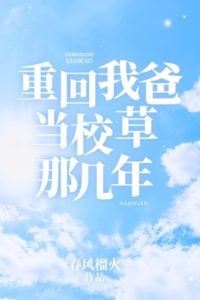
There's a quiet thematic richness beneath what might initially read as a straightforward rebirth romance, and I think the author is playing with some genuinely interesting ideas about identity, belonging, and the spaces between lives.
The opening image of Lu Yan trying to buy a triangular rice cake with future money is thematically loaded. She's a person out of time — literally unable to participate in the economy of her current moment. The hundred yuan bill that won't be valid for another ten years is a perfect symbol for her entire existence: she has value, but no one can recognize it yet. She's real but invisible. The vendor's rejection isn't just a comedic beat; it's the central condition of her rebirth. She is, as the text repeatedly emphasizes, a "nonexistent person who hadn't been born yet."
This theme of non-existence runs through everything. She can't go to the police. She can't prove who she is. She has to SCAM her way into her own father's life because there's no other path. The rice cake — warm, simple, earned through performance rather than identity — becomes the first real sustenance she gets in this timeline. It's humble and honest in a way that her future wealth never was.
The motorcycle is another loaded symbol. In her original life, her father never rode a motorcycle with her — they had luxury cars, drivers, distance. The motorcycle represents something her father abandoned: spontaneity, freedom, physical closeness. When Lu Yan wraps her arms around his waist, she's not just holding on for safety — she's claiming a intimacy that was denied to her in her first life. The motorcycle is the vehicle (literally) through which she rewrites her relationship with him.
And then there's Shen Kuo, introduced in shadow beneath the pool hall lights, arranging balls with long slender fingers. He's described as having a "commanding presence just by standing there doing nothing." If Lu Zhen represents fire and chaos and wealth, Shen Kuo represents cold calculation and patience. The text tells us he went from nothing to immense wealth in ten years — he's the dark mirror of Lu Zhen's trajectory. Their collision in that pool hall isn't just personal; it's the collision of two forces that will determine the fate of an entire family. The imagery of light and shadow in that scene — bright overhead lights on the pool tables versus the dimmer surroundings where Shen Kuo stands — feels deliberate. He exists in the margins, and margins are where he'll strike from.
The recurring motif of ears is also striking. Lu Zhen's red earlobes when he's angry, Lu Yan's "obedient earlobes turned slightly pink from anxiety" — ears as markers of inherited resemblance, of blood connection that Lu Zhen notices before he has any rational reason to. Biology speaking before identity.