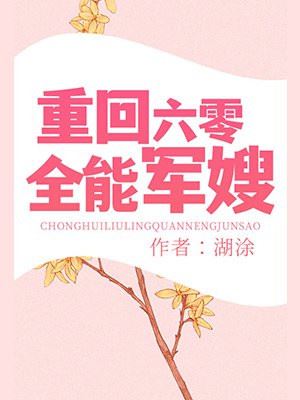
There's a moment in this chapter where Su Qinghe is cooking, and the text says the corn batter was “added with bacon slices, and some wild vegetable leaves were boiled. It is simply a delicacy.”
Delicacy.
Not “good.” Not “nice.” A *delicacy.* And suddenly I'm sitting in that kitchen with them, watching the steam rise, hearing the children outside the door, feeling the ache of hunger that makes this simple meal feel like a feast. The author doesn't need grand descriptions or poetic language. Three ingredients, one adjective, and I'm there.
This is what I love about the worldbuilding here—it's baked into the daily routines. The production team working late. The “no light in the house” forcing them to prepare food before dark. The two-meals-a-day reality that makes this celebratory dinner feel transgressive. Even the geography matters: the cave is “very remote,” covered in “thorny vines,” known only to family because “over the years, their mother often talked to them about this and took them to the cave several times.” That's not exposition; that's intimacy. The cave is a family shrine disguised as a storage unit.
And the kang! The text stops to explain it: “KANG is a long (2 meters or more) platform for general living, working, entertainment, and sleeping.” But look how seamlessly it's woven in. The family is “all squeezed into the same room with their parents.” Da Bao can't sleep and turns to his mother. The warmth of the kang mirrors the warmth of the meal—they're physically connected, breathing the same heated air, sharing the same cramped space. There's no privacy, but there's also no loneliness. That's the rural Chinese family aesthetic in one paragraph.
The visual of Gao Xiulan returning “carrying Gao Xiulan”—I mean, Su Aiguo carrying the pot and Su Aihua carrying their mother—is cinematic. Dark, tired faces, the pot clinking against the stove, the smell of food finally reaching everyone. It's a tableau of exhaustion and triumph simultaneously.
What strikes me most is how the author uses food as atmosphere. The “scent of the food in the kitchen” reaches the brothers before they even see it. The “aftertaste was still there while lying in bed.” Even the children's “drooling at the corners of their mouths” is a sensory detail that grounds the scene in bodily reality. This isn't a world of ideas; it's a world of bellies, hands, eyes, noses. The physicality makes it real.
The ending image—Su Qinghe alone on her bed, chatting with the system—isjarring in the best way. One moment you're in the warm, dark kitchen with the whole family; the next, you're in her solitary bedroom, the “long night” stretching out, no phone, no computer, just her and whatever AI companion she's got. The contrast is stark. The world has just one more layer, and suddenly the historical setting feels thinner, more fragile. Like the reality they've built could dissolve at any moment.
This author understands that worldbuilding isn't about maps and dates. It's about what people eat, where they sleep, and what they hide in caves at night.