After the Vicious Fat Daughter-in-Law’s Redemption, She Thrives While Others Flee the Famine - Reviews

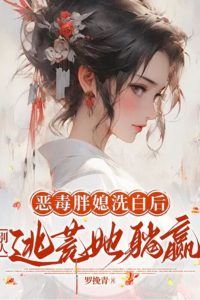
After the Vicious Fat Daughter-in-Law’s Redemption, She Thrives While Others Flee the Famine
+Add to Custom List
Sort
Add review
... Read More
Okay so let me just say—opening a novel with your protagonist literally waking up inside a straw mat being carried to her own ghost marriage is a bold move. Like, most authors ease you in with some atmospheric description, and this one just drops you straight into the horror-comedy of it all. The scene where the porter looks down and locks eyes with her? I literally gasped. That is the kind of moment that makes you immediately invested. The plot structure here is actually really smart. It opens with maximum chaos (corpse wakes up!), then immediately pivots to the real conflict: this family tried to marry her to a dead man while she was still breathing. The ghost marriage arrangement is both the inciting incident AND the central injustice that drives everything forward. And then—plot twist within a plot twist—the original host was apparently this awful, stingy woman who stole chickens and bullied her stepson. So our protagonist has to deal with not just the family's crimes against her, but also the fact that the whole village already hates her. That's a double layer of problem-solving right there. I also appreciated how the author used the transmigration angle to justify the protagonist's different behavior. The original Bai Qianqian was a pushover; this one is sharp and ruthless. The fever that killed the original body conveniently burned away all that foolish devotion. Clever narrative device. And the setup with the husband being conscripted into the army—that's clearly going to be a major plot thread. She can't get a formal divorce, which means she's stuck in this marriage limbo while building her own life. I'm curious how that resolves. The pacing from chapter to chapter is solid too. Chapter 1 is pure confrontation and revelation. Chapter 2 shifts to negotiation and strategy—she's not just reacting, she's calculating. Chapter 3 starts the quiet aftermath where she's dealing with the practical reality of her situation. It's a good three-act structure compressed into three chapters. The only thing I'd want more of is some sense of the wider world—what era is this, what's the political situation, who are the bigger players? But that's probably coming.
... Read More
I need to talk about Old Madam Zhao because WOW. This woman is absolutely deranged and I am here for it. The fact that she was haggling over the price of her own daughter-in-law's corpse—five taels versus two because the daughter-in-law was 'too fat'—is the kind of detail that makes you stop and just stare at the page. That is not a normal person. That is a villain who has committed so many crimes against humanity that she doesn't even register them as wrong anymore. But what's fascinating is how the family dynamics unfold. Old Master Zhao? He seems like the weak father figure who'd rather save face than deal with the truth. When Bai Qianqian calls him out, he immediately sides with his wife because apparently a husband's loyalty to his mother trumps basic justice. The eldest daughter-in-law is this sycophantic enabler who's too busy currying favor to see the bigger picture. And that stepson, Zhao Anyao—poor kid. Sleeping next to the pigpen while his stepmother was being prepared for a ghost marriage. The cruelty is so casual and systemic that it's almost surreal. Bai Qianqian herself is a fascinating character study. She's not a typical transmigrator who's all warm and fuzzy. She's cold, calculating, and absolutely ruthless when pushed. The moment she says 'I'm so angry... so I've come back for you!'—that's not the original host talking, that's someone who has every right to be furious and is channeling it perfectly. But I also noticed something interesting: when she sees Zhao Anyao, she feels 'a wave of discomfort.' She's not completely heartless. She recognizes the boy's suffering. That's a character who has moral lines, even if she's willing to walk right up to them. The relationship between Bai Qianqian and the original host is also intriguing. The memories are flooding in, and she's learning that her predecessor was this universally hated woman. So she's not just fighting external enemies—she's fighting the reputation her body left behind. That's a really layered character dynamic. I wonder if she'll eventually bond with Zhao Anyao, or if the original host's abuse of him will create an irreparable wound.
... Read More
There's this one image that keeps coming back to me and I can't stop thinking about it: shoes. Zhao Anyao's old shoes are worn out. Chengshuang notices them. Madam Lin sews a new pair — for HER son. And then those shoes end up on Anyao's feet. It's such a perfect symbol for everything this story is about. The things the Zhao family hoards for their own blood get redistributed to the orphan they've been trying to squeeze out of existence. The shoes represent care, protection, belonging — things the Zhao family claims to value but only dispenses conditionally. And then there's reputation. The whole conflict starts because Chengshuang accuses Bai Qianqian of selling a child, which would make the Zhao family look like they're trafficking children. But Bai Qianqian flips it: "If you don't intervene, what other village would ever dare marry their daughters into this family?" A single accusation becomes a threat to every marriage alliance the Zhao family has ever cultivated. Reputation here isn't just about honor — it's currency. It's survival. The village's refusal to help Bai Qianqian repair her roof is another layer. The original owner of this body destroyed her own reputation so thoroughly that now even basic human cooperation is impossible. She has to pay double the going rate just to get someone to show up. The metaphor is almost too on the nose — a poisoned reputation leaves you cold and exposed, literally unable to weather the coming winter. What's interesting is that Bai Qianqian rebuilds her reputation through action, not words. She pays her debts in full. Auntie Liu's husband and the other workers confirm she actually paid. The village women are shocked: "Impossible. Madam Bai is never that generous!" One honest transaction is enough to crack the narrative that's been built about her. The story seems to be saying: reputation is a story everyone tells you, but it can be rewritten if you're willing to do the work.
... Read More
I need to talk about Li Niang because this woman walked in and immediately stole the scene. While everyone else in this story is either prejudiced against Bai Qianqian or trying to take advantage of her, Li Niang just... sees her. She tastes the candy, negotiates fairly, offers a partnership, AND arranges free transportation home. The line that got me was when she says she'll send a carriage to pick up the goods every three days — that's not just business savvy, that's genuine investment in someone the village has been tearing apart. And the backstory drop about her being a widow running a shop with a sickly mother-in-law and kids? Chef's kiss. She understands what it means to have to hustle. Meanwhile, Zhou Dafu is this fascinating villain who isn't even trying to be villainous in a dramatic way — he's just casually cruel. His apprentice asks a reasonable question about buying the recipe and Zhou Dafu dismisses it with this whole speech about how 'country fare is only prized by commoners.' But then the narration tells us he's already failed to replicate the cake. The gap between his arrogance and his actual competence is hilarious and terrifying. And Old Madam Zhao — oh man. She goes from bragging to her neighbors that her third son is coming home to getting absolutely dismantled in front of everyone by a carriage ride that belongs to someone else. The humiliation on her face was almost palpable. I want to know what this does to her relationship with Bai Qianqian going forward. She's already hostile, but this public embarrassment? That's a wound that won't heal quietly.
... Read More
I need to pause and really talk about this one moment because it hit me unexpectedly hard. Bai Qianqian is standing there, having just bested the Zhao family in their own game, and her thoughts drift to her parents. Not the Zhaos — her actual parents, the Bai family. And she feels... guilt. The text says it straight: "Mentioning her parents, however, made Bai Qianqian feel a twinge of guilt. She wasn't the original owner of this body, and she feared the Bai family would sense something was wrong if she returned." This is such a small detail but it carries so much weight. She's a transmigrator, right? She inhabits someone else's body. And even though she's never met these people, even though the original owner's memories are what she has to go on, she still feels protective of them. She still cares. That's not nothing. The memories show they were kind to her — or at least, kind to the girl she now occupies. And that's what makes this twist so painful. She's using their name as a shield against the Zhaos, throwing them under the bus almost, and she knows it. She knows the Zhaos won't dare go to the Bai family because they stole her dowry when she was sick and vulnerable. She weaponized her own family's reputation. But then she decides: "I'll deal with that after the New Year." Like it's just something to schedule. She's planning to face them, to confront whatever awkwardness comes from being in someone else's skin. That's brave, honestly. Most people would run. She's choosing to go back. There's also this quieter emotional thread with Zhao Anyao. The kid is learning to count, beaming with pride when he gets everything right. Bai Qianqian is teaching him basic arithmetic, thinking about sending him to a proper school. It's a tiny domestic moment — her peeling winter melons, the two of them staying indoors by the fire — but it shows how much she's invested in building something real here. She's not just surviving; she's creating a life. The contrast between the warmth she shares with Anyao and the cold calculation she uses against the Zhaos is what makes her character so compelling. She's capable of both tenderness and ruthlessness, and she deploys each where it's needed.
... Read More
Okay so let me just say — Zhou Dafu is already being a menace and we haven't even gotten to the fallout yet. The man tastes the winter melon candy, thinks about it for literally two seconds, and then his entire face lights up with this sneaky little plan to replicate it. Can you believe the audacity? He's already had his pastry maker try to copy the brown sugar jujube cake and failed, and now he's sitting there thinking he can do it with the candy. The dramatic irony is killing me because Bai Qianqian has NO IDEA she's been marked. She's out there happily going to shop number two like everything's fine while this guy is already plotting to steal her livelihood. And honestly, the plot structure here is really satisfying — it follows this classic pattern where the protagonist hits a wall (Manfu Pastry Shop says no), almost gives up, then finds an unexpected ally in Li Niang. But the author doesn't let us breathe for too long. Just as we're feeling good about the partnership being sealed, BAM — the carriage scene happens and Old Madam Zhao gets publicly humiliated. The story keeps layering conflicts on top of each other like it's building a pressure cooker. I also love how the Auntie Liu subplot ties in — she's this small, almost incidental character who actually matters because she represents the village's shifting attitude toward Bai Qianqian. The trade feels almost too easy, which makes me wonder if there's more to come. Is Auntie Liu genuinely kind, or is she playing a longer game? Either way, the plot is moving in a really satisfying direction and I'm already worried about what's coming.
... Read More
Can we just appreciate how well-written the dialogue is in this section? Every character has a distinct voice and it's not by accident. Zhou Dafu's lines are particularly delicious because they reveal so much about him without him saying anything directly. When he tells Bai Qianqian 'rules are rules' and 'you'd best find another buyer,' he sounds reasonable on the surface — like a businessman protecting his standards. But the subtext is screaming class prejudice. And then there's the line to his apprentice: 'Country fare is only prized by commoners. Our shop caters to the wealthy.' That's not just dialogue, that's a character manifesto. He's telling us exactly who he is and what he fears in one breath. Meanwhile, Bai Qianqian's dialogue is this perfect contrast — she's direct, practical, and never wastes words. 'Deal,' she says when Li Niang proposes the partnership. That's it. One word. She doesn't gloat, she doesn't over-explain, she just closes the deal. Old Madam Zhao's voice is almost comedic in its volatility. She goes from 'Laosan is back! That boy, he told us he'd only return for the New Year, but he's come home early!' to 'You spendthrift woman! Why don't you just fly in the sky?' in the span of three sentences. The shift from pride to rage is so abrupt and so human. And the neighbors! 'What nerve!' 'What a joke.' They're like a Greek chorus of petty gossip, each line short and sharp. The narrative voice itself is also doing a lot of work — it's close third person, mostly anchored to Bai Qianqian's perspective, but it slips into other characters' heads when it serves the scene, like when we get Zhou Dafu's scheming thoughts. It's a controlled, confident narrative voice that knows exactly when to show us what someone is thinking and when to let their words speak for themselves.
... Read More
I need to talk about Bai Qianqian because this woman is absolutely fascinating and I have so many thoughts. On the surface, she's this ruthless bargainer who haggles over sixty wen for children's clothes. She tells the shopkeeper outright, "I'm not his biological mother... If I wasn't afraid people would say I was mistreating him, I wouldn't have even brought him here." Oof. That's not the sweet stepmother trope. That's someone who's fully aware of how the world sees her and plays along while secretly doing the right thing. And she IS doing the right thing. She buys him new clothes. She gets him cloth shoes. Then when the clan forces the Zhao family to give him cotton shoes, she makes him thank Auntie Chengshuang — not out of kindness to the aunt, but to make sure Anyao gets the shoes and to watch the Zhao family squirm. Every move is calculated. But here's what got me — the scene where she tells Anyao to stay home because the weather is turning cold. She's been letting him tag along to sell cakes, and he's clearly happy doing it. When she forbids him, "he wilted." She notices. She cares. She just doesn't have the vocabulary for softness. The relationship between them has this beautiful asymmetry. He's starting to trust her — his face flushes with excitement when he gets the shoes. She's starting to protect him — not because she's suddenly maternal, but because she's decided this boy is hers to handle, and nobody else gets to hurt him. That's not love yet, but it's the seed of it, and the author is planting it so carefully. Meanwhile, the Zhao family dynamics are just... rot. Old Madam Zhao sacrificing her daughter-in-law's handmade shoes to save face. Madam Lin seething because her son's shoes went to a cousin. Anyang crying "That motherless—" and getting silenced. This family doesn't love each other. They perform love when it's convenient and discard it when it isn't.
... Read More
Okay so I need to talk about the Zhao family because WOW. This chapter really laid bare just how utterly disgusting they are as a unit. Old Madam Zhao, Zhao Chengshuang, Madam Lin, Old Master Zhao — they're all different flavors of the same rot. What struck me most was the dynamic between Old Madam Zhao and Zhao Chengshuang. Remember when Chengshuang got caught yelling at Madam Bai? Old Madam Zhao didn't even care about her daughter being in the wrong — she was furious because she "lost face in front of the whole village." The girl's emotional state didn't matter at all. It was purely about appearances. And then she berated Chengshuang until the girl "dared not even lift her head." That's not a mother-daughter relationship, that's abuse wrapped in filial piety. But the real kicker? Old Master Zhao. He just stood there silently, permitting all this chaos. He didn't defend Bai Qianqian, he didn't stop his wife and daughter from being terrible. He's complicit by silence. And when the family later decides to "treat her with respect" — not because they're suddenly good people, but because they want the recipes — you realize this entire family operates on pure transactional logic. Madam Lin is equally vile but in a different way. She brings firewood the next day with this fake sweet voice: "Are you busy? Do you need any help?" Her eyes were literally darting toward the kitchen trying to spy. Bai Qianqian saw right through it and just... slammed the door. I loved that moment. The blatant rudeness nearly drove Madam Lin to fury but she held back because of the recipes. These people are so hollow inside, driven entirely by greed. And Bai Qianqian? She's evolved so much. She's not just surviving anymore — she's outsmarting them. The lie about her mother memorizing the recipes instead of writing them down? Chef's kiss. She turned their own theft of her dowry against them. "Did you really think you could find the recipes just by stealing my dowry?" That line though. Cold. Calculated. Perfect.
... Read More
Let me just say this: the pacing in these chapters is absolutely filthy in the best way possible. The author gives us this quick domestic scene with Bai Qianqian and Zhao Anyao — teaching numbers, the cozy warmth of the brazier — and then BAM, three days later the carriage arrives. No filler. No dragging. Just a clean time jump that lands us right at the payoff moment. And what a payoff. The villagers have been dying to know what's going on. We've been watching Bai Qianqian work in secret, and now the carriage pulls up, the driver counts the goods, and hands her a pouch of silver. The whole village watches. The tension builds from whispers to stunned silence to outright envy. This is exactly how you handle a reveal — let the characters and the crowd react, don't just tell us it was impressive. "The smell is incredible! When did Madam Bai learn to bake like this?" — the villagers' dialogue does so much heavy lifting here. We get exposition through their gossip, we get the economic stakes ("How much money must she be making?"), and we get the Zhao family's delayed realization all in one beat. Then the pacing shifts again. Just as Bai Qianqian is about to go inside, Zhao Chengshuang blocks her. The confrontation escalates quickly — Chengshuang demanding explanations, Old Madam Zhao jumping in, Bai Qianqian dismantling them all. It's a rapid-fire exchange that never drags because every line advances either the conflict or the power dynamic. But here's where the author gets clever: after the climax of Bai Qianqian winning the argument, we don't get a neat bow. We cut to Zhao Chengshuang running to complain to Madam Lin, then to Old Master Zhao laying out the new strategy. The conflict isn't over — it's evolving. The Zhaos are shifting from aggression to patience, from confrontation to infiltration. Madam Lin bringing firewood the next day with fake sweetness? That's the author telling us the war isn't done, it's just changed tactics. The chapter ends on that note of unresolved tension — Bai Qianqian slamming the door on Madam Lin. It's a perfect mini-cliffhanger. We know the Zhaos are still coming, and we're desperate to see what happens next.
... Read More
Let me just say this: the author knows how to pace a story. Chapter 1 is pure adrenaline. You wake up in a coffin, people are screaming, your mother-in-law is trying to sell you to a dead man—what more do you want? It's chaotic, it's fast, it's overwhelming in the best way. And then, right when you think it's going to stay at that fever pitch, the author pulls back and lets you breathe. Bai Qianqian shuts the door, sits down, and processes everything. That moment of quiet is actually more powerful than the screaming because it shows she's in control now. Chapter 2 is where the pacing really shines. It's a negotiation scene, which could easily drag, but the author keeps it tense by having Old Madam Zhao lose her temper and get slapped by her own husband. The tension shifts from physical danger to social danger—what will the village think? What will the authorities do? And then the cliffhanger of the incomplete payment: 'This isn't right... you've only given me three.' That's a perfect chapter ending. You want to know what happens next. Chapter 3 starts slower, which is the right call. After the high-energy confrontation, you need a breather. But the author doesn't let it drag—she introduces the stepson, the locked food, the reality of her situation. The pacing here is like a heartbeat: fast, fast, slower, but always moving forward. No filler, no unnecessary scenes. Every paragraph is doing work. One thing I noticed is that the author uses physical sensations to mark pacing shifts. When Bai Qianqian is acting tough, her body is weak. When she's alone, she 'slumped onto the ridge of the field, catching her breath for a long time.' These moments of physical exhaustion ground the pacing and remind us that despite all the drama, she's still in a fragile body. It's a smart technique that prevents the story from feeling weightless.
... Read More
The stakes in this story are deceptively simple on the surface—woman wakes up from near-death, confronts family, demands compensation—but they're actually layered in ways that keep you invested. The immediate conflict is physical survival: Bai Qianqian just woke up in a body that was supposed to be dead, in a world where ghost marriage is illegal but apparently common practice. If she'd stayed unconscious, she would have been married to a corpse. That's a stake that's both literal and symbolic. But the deeper conflict is about agency. The original Bai Qianqian had no power—no money, no allies, no voice. She was bullied by her mother-in-law, neglected by her father-in-law, and abused by her stepson's treatment. The ghost marriage was the final act of a family that saw her as property. So when our transmigrated protagonist fights back, she's not just getting revenge—she's reclaiming her humanity. Every taels of silver she demands, every condition she sets, is a statement: I exist, I matter, I will not be discarded. The external stakes are clear: if she goes to the county office, her father-in-law's third son's imperial examination career is ruined. That's a huge deal in this setting. But the internal stakes are what make it personal. She's fighting for her place in a world that wants her dead—or worse, married to a dead man. The tension between what she wants (independence, justice, a life of her own) and what the world offers her (subservience, invisibility, death) is what keeps the conflict burning. And the author is smart about not resolving everything too quickly. She gets her silver, but she's still trapped in a marriage she can't dissolve. She's still in a hostile household. She's still physically weak. The stakes haven't decreased—they've just changed form. That's good conflict writing.

Leave a comment

You must be logged in to leave comments. or
