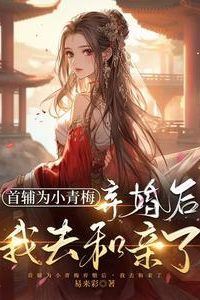
The opening image of Zhou Qingyun is absolutely gorgeous. Purple gauze dress embroidered with emerald patterns, dark hair in a single spiral bun, six-piece set of jade lotus and silver filigree hair ornaments. The author paints her like a painting coming to life—noble without being ostentatious, refined beauty that commands the room just by entering it.
But what I love most is how the settings mirror the emotional states. Shen Zhaoli's courtyard, where she and Zhou Qingyun walk and talk—that's a space of warmth and reconnection. Then we cut to the Prime Minister's Mansion, and suddenly it's all tension and sweat. The steward wiping his forehead, the clicking abacus, Old Madam Xie's chest heaving with rage. The atmosphere shifts from golden dusk to something claustrophobic and hot.
And then—just when you think it's all doom and gloom—the author drops the Spring Radiance Banquet into the final lines. Grand Princess Shen Shuangyu's rare exotic blooms, talented scholars and beauties gathering, flowers and wine and music. It's such a vivid, almost cinematic transition. One moment you're watching servants resign in a suffocating mansion, and the next you're imagining petals and lanterns and the glittering surface of high society.
The world feels incredibly lived-in too. The Yuyong Shicongju, the Imperial Attendants Bureau—these servants weren't just hired help, they were palace-trained, worth fifty taels a month anywhere else, and the Xie household was paying them fifteen. The economic details ground everything in reality. This isn't just a romance drama; it's a world with functioning institutions, social hierarchies, and real money problems.