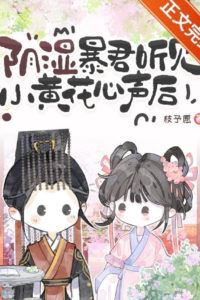
The way this author writes the palace is just *chef's kiss*. Let me paint you a picture: early summer, blazing sun, Su Panyue walking behind the Emperor with a parasol being held over him while she's just internally bargaining with herself—[Sunshine is good for the body, and I'm naturally beautiful—I'm not afraid of getting tanned.] The contrast between the formal, oppressive grandeur of the Hall of Diligent Governance and these tiny human moments is what makes the world feel alive. And it's not just visual. Remember the training scenes with Matron Wei? The detailed instructions about how to serve tea, make beds, bandage wounds, light incense. The author doesn't just tell us 'the palace has rules'—they MAKE us feel the weight of every single rule pressing down on Su Panyue. The incense, the candles, the sandalwood armchair, the silver hairpin with the crabapple flower, the messy pile of memorials on the floor. These aren't decorative details. They're the texture of her world. And the food scene! The silver needle testing, the imperial delicacies, the way Su Panyue samples everything and gets full before serving the Emperor. It's domestic and royal at the same time. The palace isn't just a backdrop—it's a character. And honestly, the most vivid image for me was the Emperor watching her from the corner of his eye, seeing her flushed face and animated expressions, the little crabapple flower in her hair. That's not worldbuilding, that's a painting.