I want to talk about the tension in this chapter, specifically the kind of tension that comes from knowing something is coming but having no idea when or how.
On the surface, this is a domestic chapter. Waking up sore, eating porridge, helping prepare for a wedding, visiting a new house. Nothing explosive happens. And yet—I couldn't stop reading. Why? Because the author has planted so many minor conflicts that the chapter vibrates with unresolved energy.
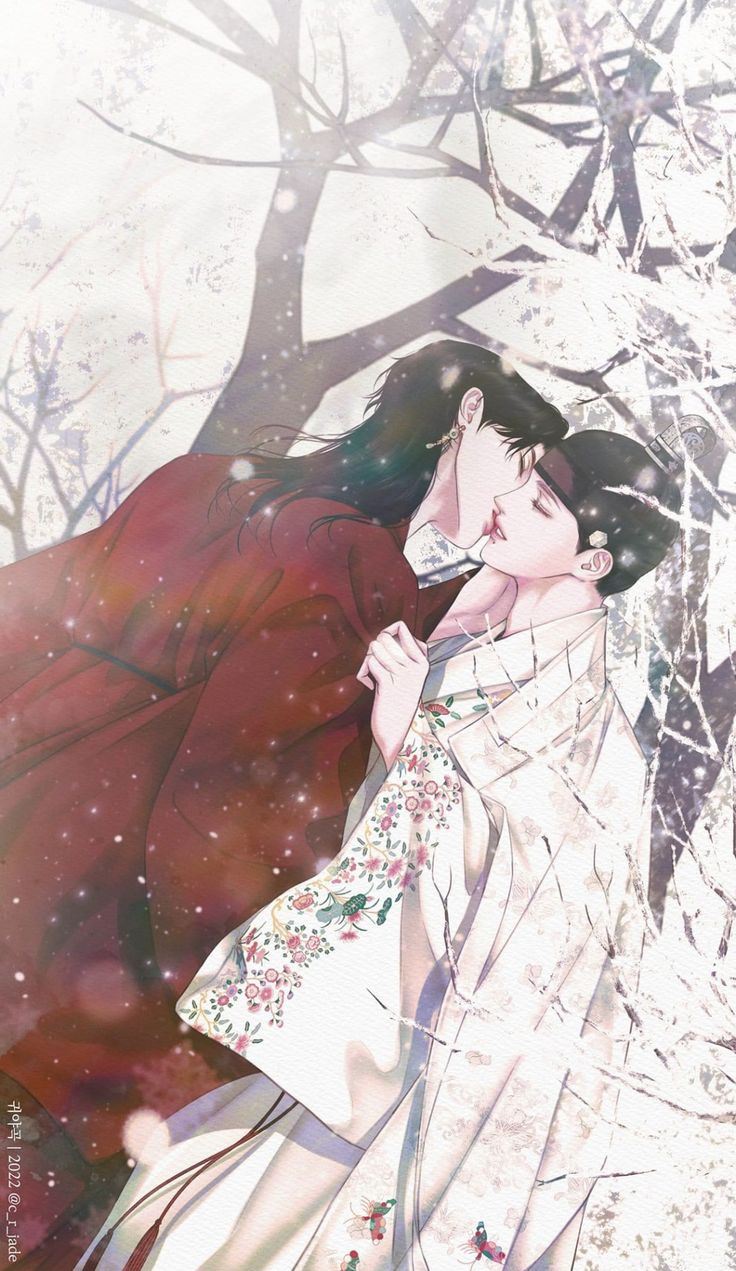
Take Qingyan and Qiu Henian's physical intimacy. Last night, Qiu Henian lost control. Qingyan had to bite his own body to ground him. This isn't just a romantic scene—it's a conflict about loss of control, about power dynamics, about Qingyan having to actively manage his partner's impulses. The stakes here are emotional: can they trust each other with vulnerability? Can Qiu Henian control himself? Can Qingyan handle being desired this intensely?
Then there's Shen Min's internal conflict, which is basically the entire chapter's emotional backbone. He owes nothing to the Wang family, yet he carries their shame. He wants to connect with Qingyan (he glances up, he speaks softly), but he pulls away every time. The conflict isn't external—it's the war between his conscience and his loneliness. And it's heartbreaking because we can see him wanting to let go.
The Liu family wedding preparations create a different kind of tension—contrast tension. Everything around Shen Min is moving forward: marriages, new houses, families growing. He is standing still. This isn't dramatic conflict, it's the slow, grinding pain of watching life happen around you while you're stuck.
But then—the last line. "Young Master Wang from the Wang family is here!" My heart actually dropped. Who is this? What do they want? After 30 chapters of relative peace, after building this quiet village life, someone from Qingyan and Qiu Henian's past has arrived. The stakes just skyrocketed. Everything we thought was stable—the farm, the shop, the marriage, Shen Min's fragile acceptance—could be about to shatter.
The genius here is how the author builds to this moment without any explicit danger. No threats, no villains appearing, no dramatic announcements. Just a name dropped at the end, and suddenly every peaceful scene in the chapter recontextualizes itself. The mushroom dream makes sense now—it was foreboding. The pickled vegetables, the northwest origin, Qiu Henian's lost memories—all of it leads to this confrontation. The calm wasn't calm. It was the eye of the storm.