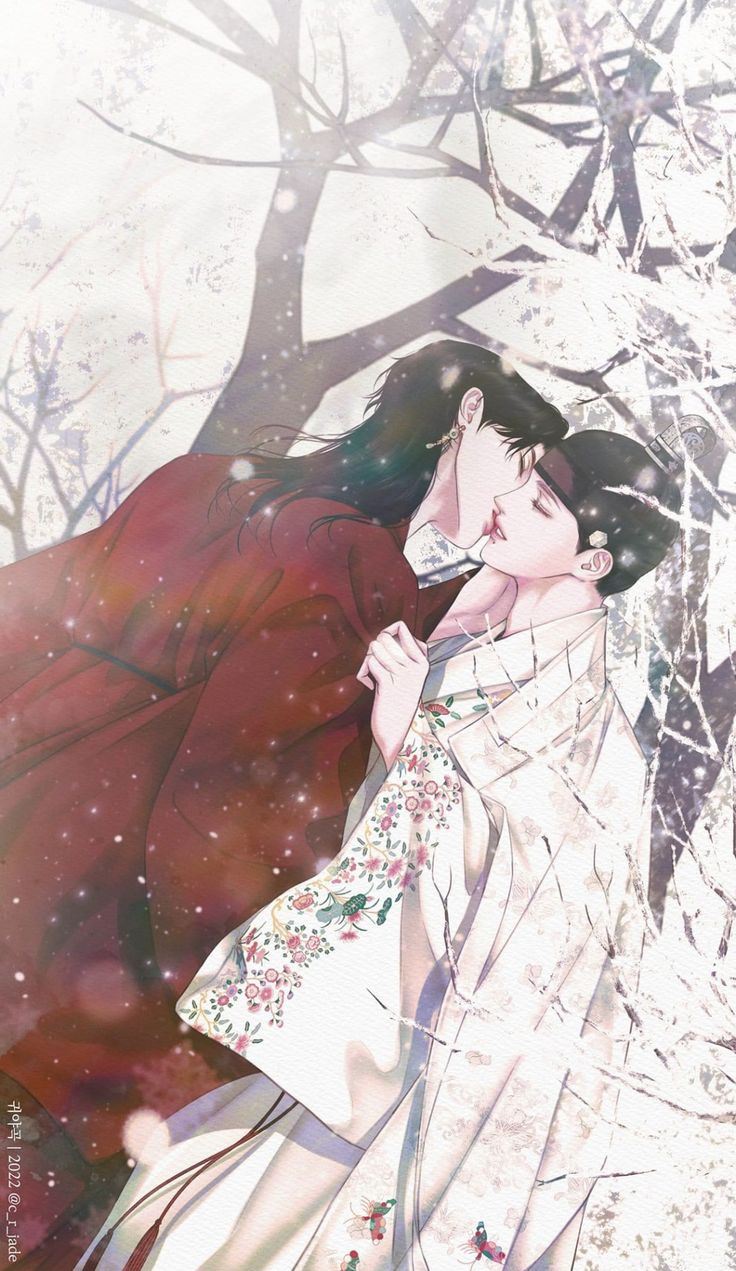
The weather in this novel is doing actual work. It starts with Qingyan waking up cold from a nightmare, then moves to "the weather gradually warming up" while their savings grow, then a heavy snowfall on the second day of the second lunar month—and suddenly they're cooking together in the warmth of their home. The temperature shifts mirror everything. Cold terror. Warming domesticity. Sudden cold again when Qingyan realizes what's happening.
But the scene I can't get out of my head is the dawn moment where Qiu Henian is still in bed, thinking, and Qingyan watches him remove his undergarments. The light is specifically described—morning light, "graceful"—and Qingyan's reaction is pure visceral shock. He's never seen his husband's body before. They're married. They share a bed. But this moment of visibility feels like a threshold being crossed.
Then there's the food scene—so detailed, so specific. The pig head dug from snowdrifts, the fine hairs burned off, the oil heating in the pot, the onions and ginger sizzling. This is a world where survival matters, where every hundred taels of silver is counted and hidden in drawers. The ironware delivered to wealthy households, the account settled promptly—this isn't just background, this is the economy of their lives.
And the shop later? Hot and stuffy, no sunlight, only the reddish-yellow glow of coal fire. Everything in black and gray except Qingyan's fair skin. The author is painting with contrast, and the palette is deliberately limiting us to shadows and sudden bursts of color. I feel like I'm inside a painting that's slowly darkening.