What strikes me about the writing in these chapters is how much the author communicates without anyone saying much at all.
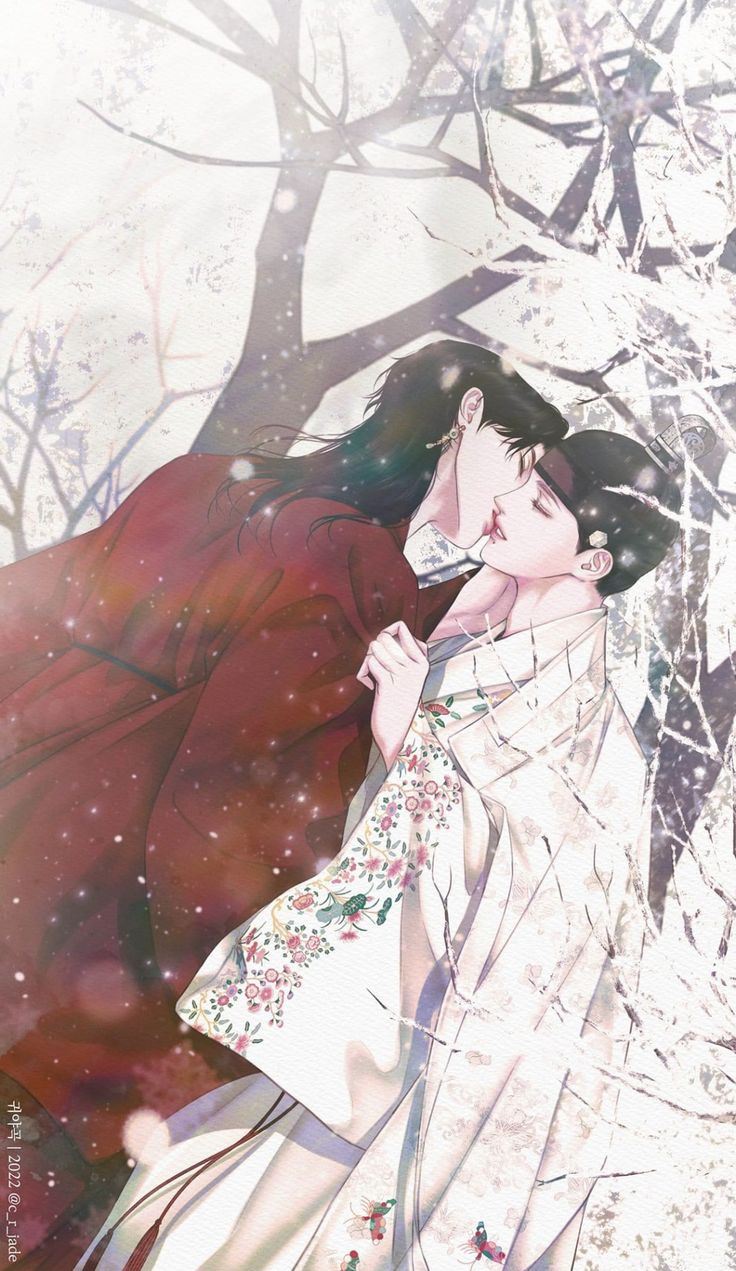
Take the carrying scene. Qiu Henian doesn't say a single word to Qingyan during it. He makes a gesture, picks him up, adjusts his grip, laughs. Qingyan only speaks once, and it's a whispered protest that is really just an admission of want. The entire emotional weight of that moment is carried—pun absolutely intended—through action and silence. That's confident writing. The author trusts us to read between the lines.
The dialogue that does exist is razor-sharp in its characterization. Aunt Li's speech has a rhythm that feels entirely hers: clipped, practical, morally firm. "These small porcelain bottles and gilded paper were bought by you, and you wrote the characters on them one by one." She's listing contributions like a ledger, because that's how she processes fairness. Qingyan's replies are softer, more roundabout—"You're like my real aunt. I can't accept this money." He's deflecting with affection, and she sees right through it.
The narrative voice itself is worth discussing. It's close third person, anchored firmly in Qingyan's consciousness, but it has room to breathe. When Qingyan thinks about the business strategy—novelty, price, quality, flagship products driving traffic—it reads like actual analytical thinking, not exposition dumped for the reader's benefit. And when he counts the silver: 155 taels total, stable, satisfying, less thrilling than 500,000 but somehow more real. That's a voice that knows the difference between excitement and contentment and can articulate it.
The nightmare vision at the end has zero dialogue. Just eyes. Red pupils. Fire. Pain. The author strips language away entirely and we're left with pure imagery, which is honestly more disturbing than any spoken threat could be.