Across Thousands of Stars - Reviews

Across Thousands of Stars
+Add to Custom List
Sort
Add review
... Read More
"So, in this gathering where many young ladies from influential families will be present, you better be grateful and cherish the opportunity." Cherish it. TSUNA. You cannot be serious. The last time this happened, he barely survived, and now Reborn is just casually rearranging his calendar like it's a harmless social event and not straight-up psychological warfare. I need to process what's happening here on an emotional level because this chapter is doing SO MUCH withTsuna's romantic anxiety. On one hand, you've got him being dragged into yet another matchmaking nightmare. On the other, he's juggling actual career responsibilities, dealing with Mukuro's mysterious whereabouts, handling Vongola business across two continents... and somehow still finding room to sigh about airplane food. The sheer weight of it all is what hit me the hardest. Tsuna isn't a kid. He's 21 and already carrying responsibilities that would crush most adults twice his age. And his reaction to Reborn's matchmaking scheme isn't even anger—it's just "Tsuna was feeling down." That quiet resignation? That's the emotional core of this entire series for me. There's also this bittersweet undertone whenever Reborn mentions Iemitsu's pressure about Tsuna being unmarried. It's not just Reborn being cruel—it's the family dynamic, generational expectations, the whole mess of it. Iemitsu is anxious, Reborn is weaponizing that anxiety, and Tsuna is caught in the middle having to be perfect at everything. What really gets me is how Tsuna still has this softness underneath all the stress. He worries about Mukuro. He gets genuinely excited about procurement opportunities. He daydreams about travel. He's not a robot—he's a tired young man who would honestly rather be anywhere else, but shows up anyway. I just want someone to give Tsuna a break. Like, one chapter where nothing bad happens and he gets to enjoy a normal conversation with someone who isn't trying to use him as a pawn. Is that too much to ask?!
... Read More
Okay so let me just sit with this one moment for a sec because honestly it wrecked me. The whole scene where Tsuna feels Mukuro looking at him — that slight touch on his fingers, just two or three seconds — and how Mukuro then suddenly grabs his hand and tries to press their palms together? This kid is LITERALLY sitting there thinking 'this behaviour seems peculiarly childish' and LAUGHING about it like it's nothing. And Mukuro? Oh man. Mukuro is having an entire internal meltdown and Tsuna just drinks cold water and goes 'I feel much better after talking with Muku.' MUKU. He called him MUKU. Like it's nothing. Like he doesn't have a single clue what that look in Mukuro's eyes means. The narrator literally says: 'This person, why is he always so unaware?' And then goes on to describe Mukuro's inner monologue which is basically just pure, unfiltered possessive obsession. 'Every time I think of this, I can't help but want to strangle him to death.' Not in a violent way — in a 'I am so done with this feeling' way. The fact that Mukuro can be so casually affectionate one second and then turn his head away with his mouth curling down the next? That's not indifference. That's someone fighting a war inside their own chest. And then Tsuna walks away and Mukuro just stands there. Eyes flickering. I swear to god the subtext is screaming at this point.
... Read More
This chapter is a masterclass in controlled pacing. Let me show you the architecture. ACT ONE - The Descent (paragraphs 1-8): We open IN media res with Tsuna already exhausted. No buildup, no "here's why he's tired" exposition. Just: dark circles, yawning, can't sleep in the car, dizziness concentrated near temples. The author doesn't explain - we FEEL the fatigue through sensory detail. The siren warning "Fasten your seat belt" becomes an order because the voice is too loud - this is how exhaustion distorts perception. Then the plane. Shoichi's stomach medicine. TWO instances of medicine-taking shown, not told. The pacing here is deliberate - slow, measured, like moving through syrup. We're sinking into exhaustion WITH Tsuna. ACT TWO - The Peak (the business trip summary): Rapid compression. Ten days, smooth negotiations, done early. This is narrative speedrunning - the author knows we don't need to see every meeting. The efficiency mirrors how work disappears when you're in flow state. Shoichi transforms from anxious medicated man to razor-sharp negotiator. Quick, clean, satisfying. Then the pivot. The free day. The costume change - suits to sports clothes, professionals to college students. The pacing SLOWS again. We're entering leisure time, which means we're entering vulnerability time. ACT THREE - The Dissolution (Odori Park onwards): This is where the chapter breathes. The bus ride. The camera explanation (deliberately technical, a deflection). The acacia trees. The fountain. The TV Tower. Each image lands like a stone in still water. Shoichi's voice "suddenly sounded very close" - physical proximity emphasizing emotional distance. The shutter sound making Tsuna move away - flinching from being captured, from being present. Then THE LINE: "Somehow he didn't know how to continue. So he could only say 'oh'." This is the pacing trap. The author gives you a moment of genuine human failure - inability to sustain conversation, inability to be present - and holds it there. No rescue. No dramatic revelation. Just "oh" and looking out the window. The return to hotel gets compressed again - "Only then did Tsuna realise that the bus had stopped." Time distortion. Dissociation confirmed. Final beat: Shoichi's concern, the unfinished sentence, the decision to leave. The chapter doesn't end with resolution - it ends with withdrawal. Going back. Escaping the intensity of feeling nothing while surrounded by everything. Three movements: sinking, flying, dissolving. The pacing mirrors Tsuna's mental state perfectly.
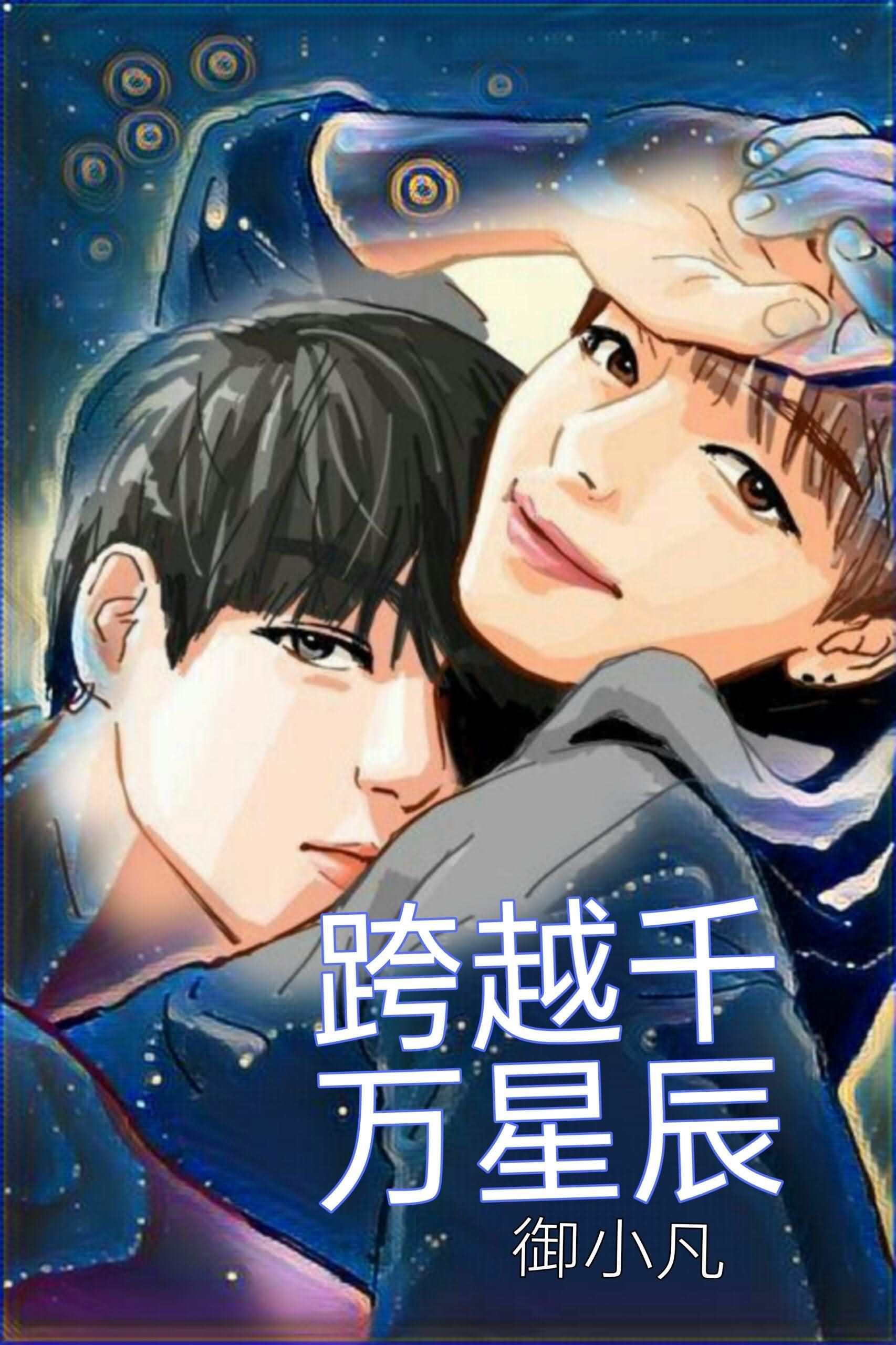
... Read More
'You never told me about her.' Four words. Four. That's the entire emotional arc of this chapter compressed into a sentence that sounds almost innocent if you're Tsuna. But if you're paying attention—and we are, because we're GOOD fans—you hear everything underneath it. The grievance. The accusation. The fear. Because what Mukuro is really saying is: you have a life that doesn't include me, and I didn't even know about this part of it. A classmate. A former crush, apparently, because Tsuna was TOO EMBARRASSED to reach out to her after years of no contact, which means HE HAD FEELINGS. Mukuro knows this. I can feel him KNOWING this across the page. And then—the cherry on top of this emotional disaster—Tsuna gets ALL EXCITED about seeing her again. 'I haven't seen her for so many years. I don't know what she looks like now.' He's IMAGINING her. As a grown woman. Potentially married with children. And Mukuro is sitting there, absorbing all of this, unable to voice any of it because that would make him the bad guy, right? That would make him possessive and jealous and—well, he IS possessive and jealous, but there's a difference between feeling it and admitting it. The chapter ends with Kyoko peeling an apple, and I swear to god that image of her holding that peeled apple while Mukuro watches from across the room is the most romantic and devastating thing I've ever read.
... Read More
I need to talk about the Mukuro and Tsuna dynamic because honestly it is everything. This kid has gone from this creepy emotionless figure two years ago to someone who casually ruffles Tsuna's hair and says 'because doing this feels good~' in a tone that suggests he is genuinely delighted by physical contact with Tsuna. And the ear thing — LORD. The author writes Tsuna's ears as this incredibly sensitive spot and Mukuro just... pinches his earlobes like it's nothing. Tsuna's reaction is priceless, jumping up like he got electrocuted, and then Mukuro just watches him scramble away while rubbing his own fingers together like he is savoring the memory. This is such a subtle but brilliant character moment for Mukuro. Two years ago he couldn't even show basic emotion. Now he is integrating emotional expression into his voice naturally — the author specifically notes his tone has a 'low and deep strings of a cello' quality. He is growing into himself, into a teenager, into someone capable of warmth, and the warmth is directed at Tsuna. It is so quietly devastating how much he has changed without anyone really noticing. And Tsuna's reaction to all this — he is clearly overwhelmed with work, stressed about the transfer, and yet he still tolerates Mukuro's physical affection without disgust. The narrator admits it's a bit weird that he feels like a pet sometimes, but he allows it. That tells you everything about their bond. Tsuna may not say it out loud but he trusts this kid implicitly. The father-son dynamic is also fascinating in its own right. Iemitsu calls this 'mental preparation' for a transfer he's already decided on. Tsuna thinks about how their communication has gotten worse, wondering if this is the 'generation gap of human nature.' There is genuine grief there beneath the comedic tone.
... Read More
I need to talk about the water imagery in this chapter because it's NOT accidental. The author keeps coming back to liquid, flow, reflection - and it's mapping something deeply personal onto the landscape of Sapporo. First instance: warm water. Tsuna offering Shoichi water and milk on the plane. This is caretaking behavior, establishing Tsuna's nature. He's attentive to others' needs even when he's depleted himself. Then the fountain. Oh god the fountain. Let me quote: "Those crystal liquids were as bright as broken diamonds in the sun, making people's eyes hurt a little looking at it." This is one of those lines that should NOT work but absolutely does. Broken diamonds. Refracted light. Something beautiful that hurts to look at directly. That's Tsuna's relationship with Mukuro right there - brilliant, painful, impossible to stare at without being blinded. The acacia trees too - "plump white bouquets on them, looking content." Content. That word hangs in the air like an accusation. The trees are content. Tsuna is not. The contrast is brutal in its quietness. And then the TV Tower. Shoichi says "I heard it looks more beautiful at night." This line lands differently because we know who Tsuna is thinking about. The tower is a structure designed to be seen from distance, to shine in darkness, to be looked AT rather than looked FROM. Is that how Tsuna sees Mukuro? As something beautiful across a gap? Something he observes rather than touches? The camera is another symbol I can't ignore. Shoichi fiddling with his micro-SLR, wrapping the strap around his hands. He's capturing moments, preserving them. Tsuna is the one being photographed without knowing it - or rather, Tsuna is the one whose moments are passing without being captured. He's living through them distracted, thinking of someone else. The geographical distance mirrors emotional distance. Hokkaido is far from wherever their base is. The plane, the bus, the hotel - all transit spaces. Tsuna is literally in transition, which mirrors his emotional state. He's between places, between moods, between presence and absence. By chapter's end, the decision to return early feels like the narrative itself wanting to close the distance. To go back. To be somewhere else. Anywhere but here, thinking about him.
... Read More
Can we just talk about how funny Tsuna is on the inside while being completely deadpan on the outside? "For real!, Tsuna thought." Four words. That's it. That's the entire reaction to being told he's about to become a father, and it's perfect. "This reality is too much to deal with!" — absolutely lost it. The man has never had a serious girlfriend and the universe is like 'cool cool let's skip ahead to parental responsibilities.' I was wheezing. His internal voice is so distinct from his external composure that every scene where he's just sitting there looking worried while simultaneously having an existential crisis inside his head is comedic gold. And Ryo-nii's dialogue is written so naturally. The way he pauses before revealing the extra child—"Ryo-nii paused, scratching his cheek as if he didn't know how to say his next words"—feels like watching someone actually struggle to deliver bad news to a friend. The hesitation is human. The subsequent sincere smile, almost showing all his teeth, is exactly how someone tries to make an impossible request seem lighter than it is. The dad conversation at the end is equally brilliant in its casual absurdity: "Dad, I have something to tell you. … You're about to have a grandson. … Huh? How many months? … Oh, he's 12 years old." That 'Oh, he's 12 years old' after a pause about months is a whole conversation between two people who are figuring this out as they go. The dialogue doesn't explain anything—it lets the awkwardness speak for itself. This is how real people talk when their lives are changing and they're too stunned to process it properly. The author's narrative voice overall has this wonderful balance: serious when the story demands gravity, warm and slightly irreverent when it doesn't. Never pretentious. Never overwrought. Just honest.
... Read More
Okay so let me just say this ending hit me like a truck because everything has been building toward this moment of Tsuna telling Reborn about his choice, right? The whole arc here isn't about some massive external conflict or a final battle—it's internal, and that's what makes it so powerful. Tsuna comes to Reborn specifically because, as he says, Reborn is like an elder to him. That's the entire plot of this chapter condensed into one sentence. He needs blessing, not from Vongola politics but from the person who raised him. And Reborn? His response is everything. He doesn't give a big speech. He laughs and says 'Why does my only student always make such foolish choices?' But that laugh, that rare display of warmth—that's Reborn's version of 'I'm proud of you.' The structure here is deceptively simple: confession → acceptance → return to Mukuro → resolution. But the weight of twelve years of relationship sitting quietly in the background makes every beat land. There's no twist, no betrayal, no last-minute obstacle. The story trusts its readers enough to just let the characters breathe and choose each other. That's confidence. And honestly, after 229 chapters of emotional tension, giving us a quiet hospital room ending instead of some dramatic confrontation? Chef's kiss.
... Read More
The Matchstick Girl reference is doing SO much heavy lifting here and I'm not okay with it. Mukuro asks 'Why is the matchstick girl so stubborn? There should be many other ways to survive' and then immediately pivots to asking whether every dying person becomes a star. He's comparing himself to a girl who froze to death while lighting matches to see warm visions. Mukuro spent years in an illusionary coma, trapped in darkness, surviving on nothing but the memory of connection. And now he's asking Tsuna to help him believe that their meeting wasn't meaningless—that crossing paths across all those stars actually matters. The fairy tale becomes a mirror for his trauma, and Tsuna's response 'Perhaps it means that each star represents a person' transforms the metaphor from one of death into one of connection. Every person who dies becomes a star. Every person who lives becomes a star. And meeting another star—another person—is 'truly remarkable.' The theme here is radical: that existence itself, that the mere fact of two people finding each other across an infinite cosmos, is worth everything. The story ends not with a battle won or a villain defeated but with this quiet acknowledgment that love is the only thing that makes the distance between stars bearable. And Tsuna's unspoken reply to 'How many stars did I cross to finally meet you?' is the entire novel in one word: all of them. And it was worth it.
... Read More
This chapter is an absolute masterclass in how domestic situations can reveal character depth without a single dramatic beat. The handcuff scene isn't just comedic setup — it's the physical manifestation of everything between Tsuna and Mukuro: forced togetherness, reluctant acceptance, and the kind of intimacy that only exists when both parties have let their guards down completely. What strikes me most is Tsuna's internal negotiation. When Mukuro confesses guiltily about borrowing the handcuffs, Tsuna immediately knows he has no real choice. The text says: 'Tsuna couldn't say anything.' That's not weakness — that's someone who has spent enough time learning exactly which buttons to press. And Mukuro knows it too: 'Mukuro already knew this side of him.' The power dynamic here is fascinating. On the surface, Mukuro is the one in trouble, but he's also the one holding all the leverage through calculated vulnerability. Then there's the bed scene, which is where everything really clicks. Mukuro sleeping peacefully while Tsuna can't — that's character revelation without exposition. His good sleep quality proves he's secure, untroubled, while Tsuna is still mentally processing the day. And then Mukuro leaning over, legs pressing up, breathing on Tsuna's face — the physical discomfort Tsuna describes ('the key part of his crotch') is honestly the funniest transition in the chapter, moving from tension to comedy in one sentence. I also want to talk about how the author handles Mukuro's apology. When he says 'I'm sorry. I'm not used to being handcuffed to you yet,' that line does so much work. It's genuine remorse, yes, but also acknowledgment that even this inconvenience is new territory for them. They've lived in separate rooms for 'so long,' as Tsuna notes, and now they're sharing a bed because of a child's mischief. The handcuffs became the catalyst for physical closeness that might not have happened otherwise.
... Read More
Can we talk about how DIFFERENT these two characters sound when they speak? Like, zero confusion possible. Reborn: "Boy, there shouldn't be such good things in this world, right?" — delivered with a chuckle. Disdainful. Like he's explaining gravity to a toddler. And then immediately after: "It's easier to just send you straight to the crematorium." BRO. He says that like he's commenting on the weather. Mukuro: "I won't leave. I absolutely won't." — short, deliberate, defensive. Every sentence is him building a wall. And then later when he's talking to the photographer, it's all threats and frost. "If I see you around here again, I promise your fate will be the same as this camera." Tsuna's internal monologue is the perfect counterweight though. "Oh my goodness... I really am not a person who's into perverse sexual fantasies" — this is a NORMAL PERSON having an ABSURD problem. His voice is so grounded and exasperated it makes the whole scene feel real instead of melodramatic. The author's narrative voice sits right between these two registers — formal enough for the Vongola politics, casual enough for Tsuna's internal screaming. It works.
... Read More
This chapter is a masterclass in stacking conflict on top of conflict without ever letting the reader catch their breath. Let me count: One — there's the tabloid scandal that just happened and Vongola is retaliating with legal action against every single publishing house. That's the external world pressure. Two — Mukuro is suddenly declaring he's going to study abroad at Brown University with zero prior warning. That's the personal relationship earthquake. Three — Tsuna is caught in the middle, trying to comfort Mukuro with Reborn's words, trying to process everything, trying to cook beef like normal life will continue. That's the emotional spiral. And three — Mukuro studying for SATs and TOEFLs while taking a long leave from school, which somehow feels both impressive and deeply suspicious. The plot threads are all tangled together and none of them are resolving. The Vongola retaliation scene is like... a whole separate story happening in the background that we're only getting glimpses of. "If you touch the scales of the dragon, you will perish." That line alone tells me there's a whole mafia-war-adjacent storyline simmering here that we're not seeing fully. But the real plot twist — and I mean the actual twist — is Mukuro's decision. Because nothing in the previous chapters hinted at this. Tsuna says it directly: "You've never mentioned wanting to study abroad!" And Mukuro's response is essentially, "Of course I did. You just weren't looking." The author is playing 4D chess with plot reveals and I am here for it.

Leave a comment

You must be logged in to leave comments. or
