Across Thousands of Stars - Reviews

Across Thousands of Stars
+Add to Custom List
Sort
Add review
... Read More
I genuinely cannot decide who this chapter is about—Tsuna or Mukuro—and that's what makes it so good. Let me just say this: Tsuna's internal monologue when he first sees Mukuro is devastating. He touches Mukuro's skin and feels it's not normal temperature. He immediately goes to check the forehead. Without being asked. This is someone who is still angry, who feels wronged, who literally just had to do "continuous psychological construction" to deal with the aftermath—and his body still moves toward the other person before his brain catches up. That's not responsibility. That's something deeper. And then Mukuro says 'You don't even want me anymore' in this low, aggrieved voice while sweating through a fever and refusing to eat. Who does that? Who weaponizes vulnerability like that? But also—who wouldn't, if you've been abandoned by everyone else in your life? The narrator explicitly notes that Tsuna feels like HE did something wrong, even though he was the one who got taken advantage of. That guilt inversion is so psychologically accurate for codependent relationships. The CP chemistry here isn't romantic-fluttery; it's this brutal, gnawing entanglement where neither person can leave and both know it.
... Read More
The dialogue in these chapters has this wonderful rhythm that feels so natural, like eavesdropping on actual conversations. Tsuna's internal voice is honestly my favorite thing about this writing - the way he complains to himself while simultaneously maintaining this professional facade is comedy gold. Listen to this energy: 'Yes, yes, I'll remember to do that... But let's do this first.' That's the voice of a man who is one responsibilities away from a complete breakdown and he knows it. And the phone conversation with Iemitsu! The signal cutting in and out on the subway, the voice fluctuating, Tsuna raising his voice involuntarily because of the noise - it's so cinematically rendered through dialogue alone. You don't need stage directions, you can feel the uncomfortable intimacy of a phone call where important news is being delivered through static. Then there's Uni's dialogue, which is completely different energy - measured, thoughtful, almost poetic. 'Rather than saying that I gave him life, it is better to say that I should thank him for coming to life for me.' That line could be a thesis statement for the entire novel. The contrast between Tsuna's anxious, fragmented internal monologue and Uni's flowing, complete thoughts creates this beautiful tension in how the narrative voices operate. And the workplace gossip dialogue - 'that's him' - whispered and incomplete, leaving everything unsaid. The author understands that what people don't say out loud is often more powerful than what they do.
... Read More
I need to talk about the emotional architecture of this chapter because it's genuinely sophisticated in how it handles the progression from frustration to tenderness. The author doesn't rush this — they let discomfort breathe until it becomes something else entirely. It starts with mild annoyance. Tsuna asks about the bath, gets a terse response, goes to prepare it alone. There's no conflict here, just the quiet friction of two people sharing a space and a schedule. When Mukuro produces the handcuffs, Tsuna's first reaction is irritation: 'You...' — the trailing off speaks volumes. He's about to lecture, about to become the authority figure, but then he gets handcuffed too. The power structure shifts instantly. What I found myself most affected by is Mukuro's confession. When he looks away and says 'If we tell Uncle Ryo, what will happen to me? Will I get scolded?' — that's not manipulation, exactly, but it's not innocent either. He knows exactly how to trigger Tsuna's protective instinct. And Tsuna knows it too. The text says: 'Tsuna couldn't say anything.' That pause, that inability to maintain the scolding position, is the emotional turning point. The bedtime scene is where the chapter truly earns its emotional weight. Mukuro falling asleep immediately while Tsuna lies awake — that contrast between secure and unsettled — and then Mukuro leaning over in his sleep, legs pressing against Tsuna, face close enough to feel his breath. This isn't romantic in a deliberate way; it's romantic in the way that domestic life becomes romantic through accumulated proximity. The embarrassment Tsuna feels ('extremely close distance') transforms into something softer, something he can't quite name. I loved the final line about Mukuro's 'disturbing' sleeping position. It's funny, yes, but it's also deeply affectionate. You don't describe someone as annoying in bed if you're not comfortable enough with them to find their quirks endearing rather than irritating.
... Read More
The way this author handles domestic space is genuinely impressive. Think about it — we start in a kitchen that's open-plan, no walls between cooking and living area. Tsuna can watch Mukuro from across the room. That architectural choice is doing emotional work: visibility, supervision, warmth. Then Mukuro's bedroom is described as 'covered with white sheets' and he 'had a pale face as he faced the whiteness of the room.' WHITE. The color immediately triggers his institutional memories — white coats, fluorescent lights, dazzling brightness. The author doesn't need to explain the research institute directly; the color palette does it for us. And the kettle whistling during cleaning, the thermos, the cherry tomatoes in a salad bowl, curry leftovers from the night before — these tiny details construct a lived-in home that feels real because it's imperfect. Leftover food. Dust under sheets. A supermarket run planned for tonight. It's not a staged set, it's a house someone actually lives in. The most cinematic moment has to be the morning light hitting Tsuna's face when he smiles down at Mukuro. The text literally says 'It was as dazzling as the morning light outside the window.' The sun is outside but the light is also on his face. He's become the source of warmth in Mukuro's world and the author doesn't even announce it dramatically.
... Read More
Ryo-nii drops this statistic in the phone call: 'The words they said to me during this time were less than ten. Times that with two.' TEN WORDS. Across an entire week. I kept coming back to that number because it reframes everything we see in this chapter. Every sentence Mukuro speaks here is significant — 'No way' about the tomato, the quiet muttered refusal, the unspoken 'I'm glad I met you.' Tsuna's dialogue is completely different energy. He talks to fill silence, to teach, to comfort, to negotiate. 'Breakfast is very important. You must eat it every day.' 'Don't be a picky eater.' 'Children who are picky eaters won't grow tall.' He's parenting through words the way some people parent through touch. And the humor lands because it's so specific — 'This is the last one. I won't force you to eat more.' That's not just dialogue, that's a man who has figured out how to talk to a traumatized kid without breaking him. Mukuro's voice is mostly silence and micro-expressions. His few spoken lines carry enormous weight precisely because they're so rare. The author understands that when someone has barely spoken in weeks, every word becomes a door opening a crack wider.
... Read More
I need to talk about this line because it hit me like a freight train: "So, I missed him this much." Not dramatically. Not with flourish. Just... stated. Like he arrived at a mathematical truth after staring at a blurry photo for too long. That's the thing about this story's emotional architecture—it doesn't build to crescendos the way you'd expect. It seeps. It accumulates. And then one day you're standing in your apartment looking at your wristwatch and you realize you've been missing someone for four years and the math finally catches up to you. The physical description of Tsuna here is doing so much emotional labor. "His fingers brushed over the person out of focus in the photo several times." Let that sink in. He's touching a digital image of someone he hasn't seen in years, tracing the outline of a face that's barely visible, and doing it repeatedly. That's not casual. That's compulsive. That's grief and hope tangled up into a single motion. And then: "His palm partially obscured one eye, revealing a hint of despondency." The image of a grown man, a CEO-in-waiting, hiding his face behind his hand like a kid. The powerlessness he feels—"not knowing anything about Mukuro's current circumstances and status"—that's the core wound. It's not just that Mukuro is far away. It's that Tsuna has no control over any of it. No ability to reach him. Four years of emails reporting safety but never location, never context, never reply. What gets me is the contrast between this overwhelming internal storm and the external normalcy. He goes to dinner with Ryo-nii afterward. He jokes about children. He laughs. The chapter ends on that deflection, that practiced smile. The emotional whiplash of someone who can hold an entire organization together while internally crumbling over a blurry side profile in a Instagram photo—that's devastating and beautiful in equal measure. "How long will it be until you come home?" That question isn't really about geography, is it? It never has been.
... Read More
So the chapter basically pivots hard into a wedding invitation and at first glance you're like 'okay another side character getting married, skip to the good stuff' but then you actually read what happens and it's kind of brilliant. Tsuna gets the invitation from Kyoko — the girl he had a secret crush on back in the day — and instead of making it some big dramatic moment, the author just lets him sit with it for a beat. He admits he fantasized about walking her down the aisle once. Teenager delusions. Fine. But here's the thing: he says there are NO negative emotions about it now. No bitterness, no regret. Just... acceptance. That's actually really significant for his character arc. The guy who was once pining silently for someone who never knew is now living with someone who desperately wants him but he's too dense to fully register. The irony is almost painful. And then the author throws in the detail that Kyoko's fiancé has been pursuing her since college — that's the contrast right there. Some people wait years and still don't get the person. Meanwhile Tsuna has Mukuro literally burning alive across the table from him and he's worried about whether the guy spent his pocket money on something suspicious. Also side note: the author drops 'Next chapter is about a wedding. Guess whose XD?' and I am SHOOK. Because if the pattern holds, this isn't Kyoko's wedding we're heading toward — this is THEIR wedding. And I need to know.
... Read More
Let's talk about how this chapter handles dialogue—because honestly, the most powerful dialogue here is the stuff that DOESN'T happen. Ryo-nii's voice is effortless. Boisterous, warm, completely without pretense. He slaps the table when he laughs. He downs glasses of alcohol in one gulp. He calls Mukuro "that little devil from Kyoko's family" and immediately regrets it, then recovers with genuine humor. Every line he speaks feels like it was written by someone who has actually known a person like him for twenty years, because apparently the author has. "By the way, how's your kid doing with studies overseas?" Simple question. Normal question. The kind of question you ask your friend over drinks because that's what friends do. And Tsuna's pause—"Tsuna began to respond reflexively, but he didn't know how to continue"—that half-beat of silence is worth more than a monologue could ever be. What Tsuna says instead: "More or less alright, I guess. Maybe considering staying abroad for a while after graduation." That's a non-answer wrapped in a partial answer. It's the verbal equivalent of looking at your beer and smiling. And Ryo-nii, bless him, doesn't push. He moves on. That's twenty years of friendship right there—not in the words exchanged, but in the comfort of the silence. The narrative voice itself is interesting too. It's close third person, deeply embedded in Tsuna's perspective, but it doesn't get purple or overwrought. When Tsuna sees the photo, the prose slows down and gets specific—"gem merchants peddling their wares and vibrant storefronts lining the numerous stalls"—then snaps back to his internal state with clinical precision: "to Tsunayoshi's eyes, everything else faded and blurred. Only this person remained crystal clear." That shift from external detail to internal focus mirrors exactly how trauma and longing work. The world keeps playing in the background, but your brain latches onto one fragment and everything else goes soft around the edges. The author doesn't tell us Tsuna is overwhelmed. They show us through pacing and focalization. Which is honestly pretty remarkable for web fiction. The only real direct quote from Mukuro in this entire chapter is the translator's note, which is almost funny. The person we're all thinking about never speaks, and yet his presence dominates every scene. That's not poor writing—that's mastery.
... Read More
Let me just say upfront: the Estraneo Group introduction is one of the best pacing decisions in this entire arc, and I need to explain why. Up until that point, the chapter had been moving at a comfortable corporate-drama pace—meetings, product decisions, travel schedules, matchmaking complaints. Grounded, relatable, character-focused. And then Reborn drops this bomb: "Estraneo's background isn't very clean. Its initial members were a group of local thugs in the United States, involved in activities like high-interest money lending." BOOM. Genre shift. In one sentence, we go from jewelry business drama to something darker, more dangerous, more conspiratorial. And the pacing does something brilliant here—it doesn't rush the explanation. Reborn lays it out methodically, like he's building a case, and Tsuna (and we, the readers) have to piece it together alongside him. The gold futures reveal is peak tension-building. "They sold 50 tons of gold" — didn't have it — price went UP instead of down — subsidiary went bankrupt — acquired a real bank — now they're buying mines. Each piece of information hits like a domino, and by the time Reborn mentions the diamonds appearing in a mine that previously only produced diopside, my heart is actually racing. "Garnet and diopside are indicators of diamond presence" — this is the line that made me sit up straight. The author connects the jewelry plot thread we've been following (the rose collection, gemstone sourcing) directly to this new conspiracy. The story is weaving layers together instead of treating them as separate arcs. What's impressive is how the author handles the transition. There's no jarring chapter break or time skip—just Tsuna and Reborn walking out of a meeting, and suddenly the entire framework of the narrative has expanded. The pacing feels natural because it's driven by conversation and discovery, not exposition dumps. Also, the chapter ending on "their ambition, intellect, luck—Estraneo is truly a nightmare for its adversaries" is a cliffhanger that doesn't feel cheap. It earned its scare factor through the buildup.
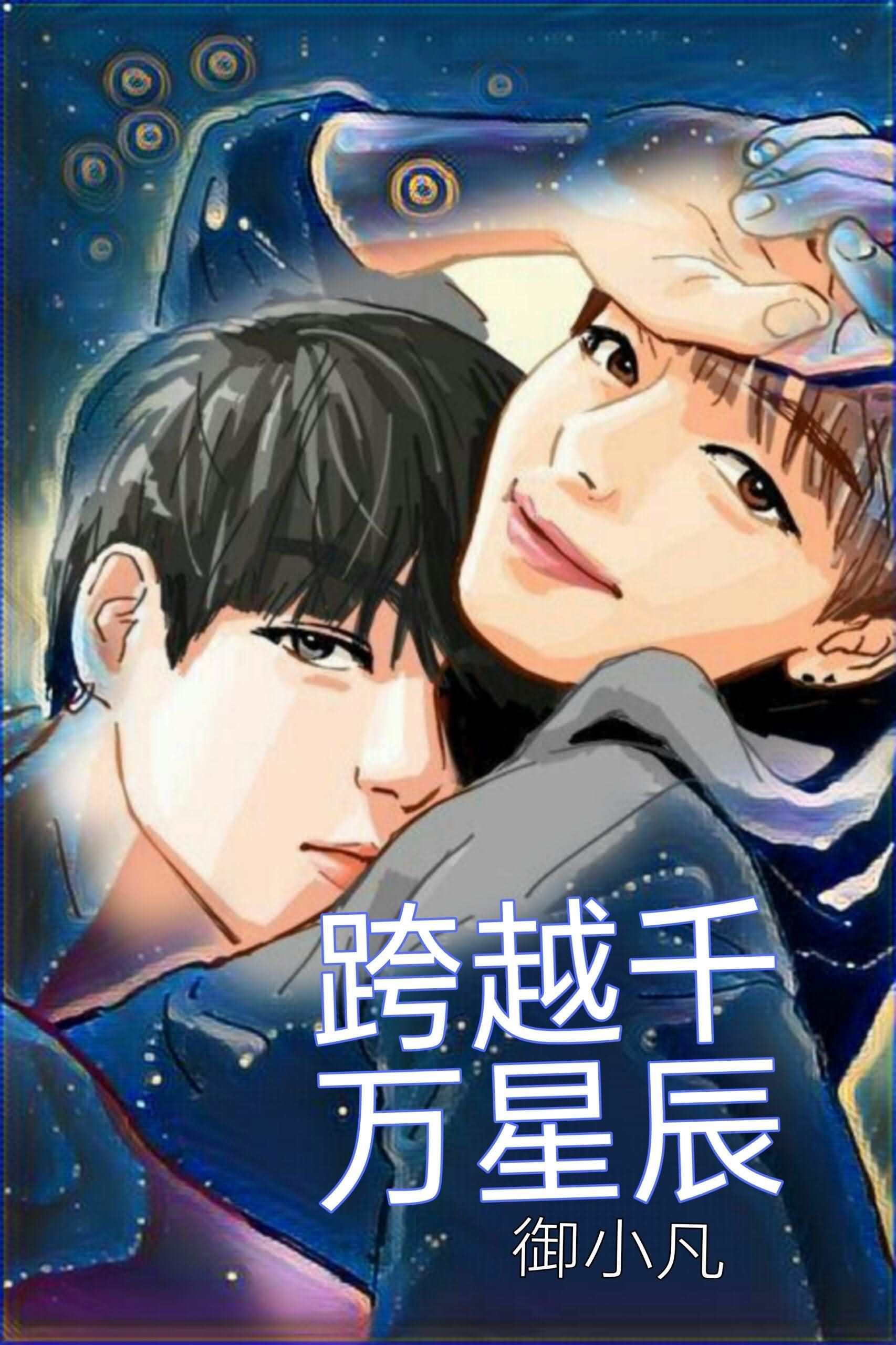
... Read More
Okay so let me just say this plot is playing 4D chess and I am HERE for it. Tsuna gets promoted to deputy director and instead of being like congratulations king, everyone in the office is side-eyeing him like he stole something. And honestly? I can't blame them. The guy went from section chief to deputy director in less than a year and a half with no particularly outstanding achievements to show for it. The narrative is deliberately feeding us questions here - is he really that good, or is there something else going on? Then BAM, the Iemitsu connection drops. Same surname, major shareholder of Vongola. It's the perfect explanation AND it raises ten more questions at the same time. And then there's the Reborn thing, which I am still processing because apparently a baby-sized supervisor is about to enter the workplace drama and I need a minute. The way the author builds tension through workplace gossip and quiet suspicions rather than big explosive moments is honestly genius. Every elevator ride, every whispered conversation behind Tsuna's back - it all adds up to this simmering atmosphere where he's constantly being judged but never given the full picture. Plus Uni's pregnancy subplot threading through all of this creates this beautiful parallel of life changes happening around him. He's watching everyone move forward while he's stuck figuring out who he even is in this company. The plot doesn't rush, it breathes, it lets you sit with the discomfort of not knowing what people are really thinking about you.
... Read More
The emotional stakes in this chapter are absolutely suffocating, and I think the genius is how quietly they escalate. On the surface, it's just a husband revealing a secret side of his life to his wife. But underneath? Everything is at risk. Mukuro's question—'What do I need to do for you to like me a bit more?'—isn't flirtation. It's a genuine plea from someone who knows he's unlovable on his own terms and is bargaining for connection. The narration lists the emotions embedded in it: reluctance, impatience, caution, desolation. That's not one conflict—that's four different wars happening inside one sentence. And Tsuna feels it immediately. His anger vanishes. Not because he's weak, but because he recognizes the real threat: not corporate espionage, not hacker websites, but the possibility that Mukuro will finally succeed in pushing him away. Meanwhile, the external stakes are simmering just below the surface. We're told this website deals in corporate intelligence, that members battle over identities, that unauthorized access triggers defenses. Chikusa personally manages it for two hours every night. This isn't a harmless hobby—it's a high-risk operation, and now Tsuna knows about it. The question isn't just whether their relationship can survive this revelation; it's whether the people on that website will find out Tsuna knows, and what they'll do about it. The most tension-packed moment isn't the hacking demonstration or the moral debate. It's the silence after Mukuro asks his question and Tsuna answers 'I already like you enough now.' Both of them know it's not what Mukuro hoped for. Both of them know it's not enough. And neither of them says it out loud. That silence between them is where the real stakes live—unspoken, enormous, and growing with every passing scene.
... Read More
The worldbuilding in these chapters is deceptively simple but incredibly effective. We're grounded in a very specific, very Japanese setting—Namimori Commercial Street, yukata, fireworks festivals, convenience store oden—and every detail feels lived-in rather than decorative. The author doesn't over-explain the world; they just drop us into it and let the atmosphere do the work. The fireworks festival sequence is painted in this warm, nostalgic brushstroke. Summer evening, short sleeves, slacks, the hum of a crowd moving toward a shared experience. Then—RAIN. Not a romantic drizzle, a proper sudden summer storm that scatters everyone. The transition from open sky to crouching under a convenience store's glass walls is visceral. I could feel the shock of the air conditioning hitting soaked skin. I could taste the instant oden. Mukuro poking at a fish ball without actually eating it—such a small detail that says everything about his mental state. He's physically present but somewhere else entirely. What I love is how ordinary everything is. No supernatural elements intruding, no dramatic score swelling—just two guys in a convenience store eating cheap food while rain pounds the pavement outside. Other strangers sharing the space, the rhythmic knocking of rain creating ripples in puddles. It's cinematic in the most understated way possible. The setting isn't backdrop; it's emotional architecture. The confined warmth of the store against the chaotic cold outside mirrors their whole relationship—two people finding shelter from whatever storms they've been running through.

Leave a comment

You must be logged in to leave comments. or
