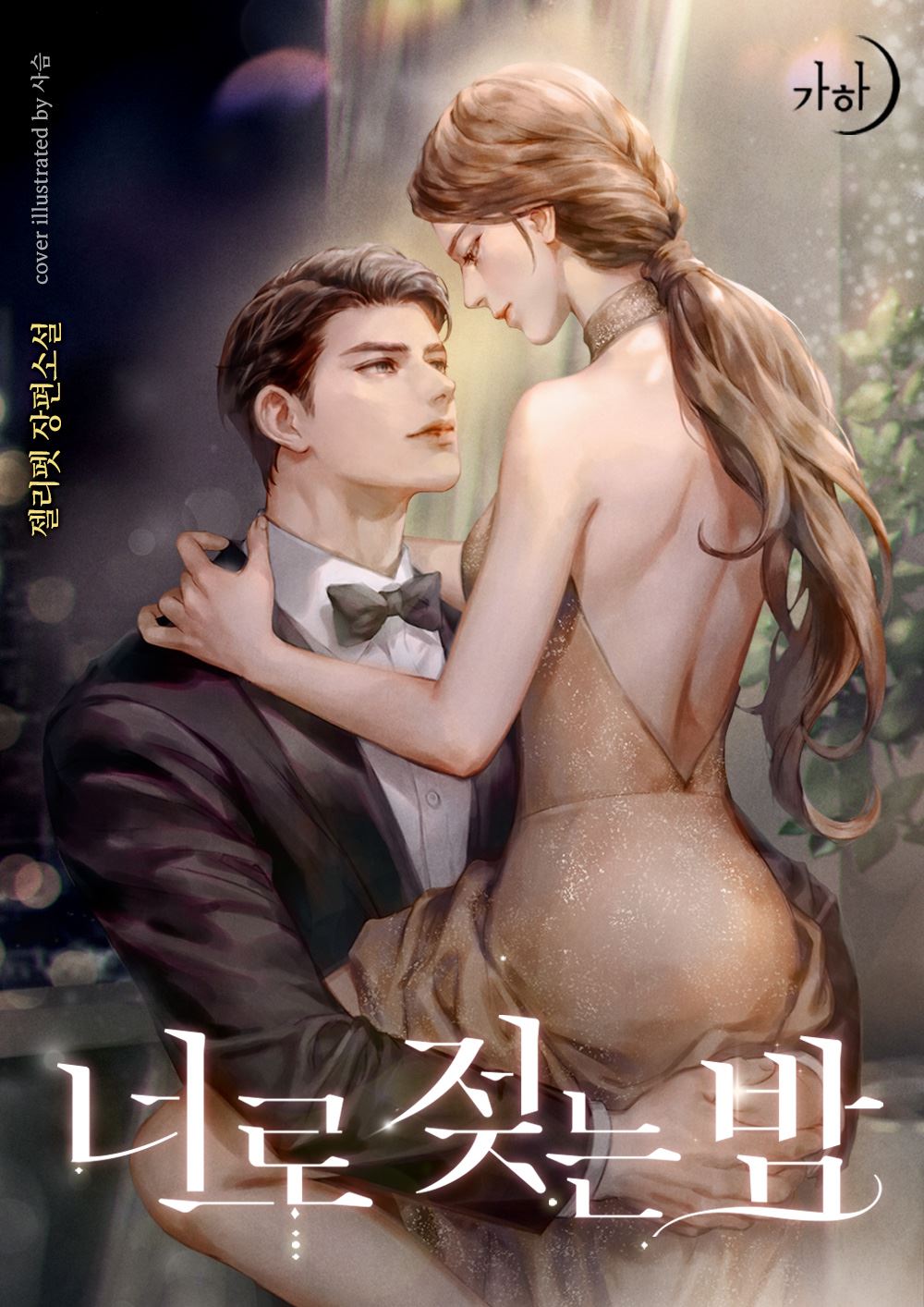
'Those things were too much for you to have anyway.' Chae-young says it like she's stating a weather fact. No remorse, no theatrical villainy—just cold clarity. And then she follows up with, 'I got rid of her since she was a thorn in my side. Killing two birds with one stone.' The casualness is what chills me. She's not bragging; she's instructing her friend like a business tip. That's her voice: polished, predatory, utterly self-assured. Yeong-won's dialogue is the opposite—fragmented, heavy with unspoken things. 'I'll ask you just one thing. Did you intentionally set out to take what's mine? Knowing it was me?' It's a question, but it's also a confession: she already knows the answer, and it breaks her. Later, on the phone with Yuna, she's deflecting, sweating, saying 'Yeah!' too quickly. Her voice is strained, guilty. Tae-geon barely speaks at all. 'I don't care.' 'Got it.' Two lines, and you understand his entire worldview: efficiency over empathy. The narrative voice around him is clinical, observational—Jameson's internal monologue is full of questions, but Tae-geon himself is a void. That contrast is brilliant. The author lets dialogue do the characterizing without ever explaining motives. Even the friend's lines feel distinct—eager, slightly naive, quickly schooled by Chae-young's cynicism. 'By the way, when does ‘New York Serenade' start filming?' That mundane question grounds the scene before it spirals. The humor is dark, sparse, but it lands. Like when Chae-young says, 'I'd have to be Seong Tae-geon's wife to consider it a success in life.' That's not just ambition; that's a worldview in one sentence.