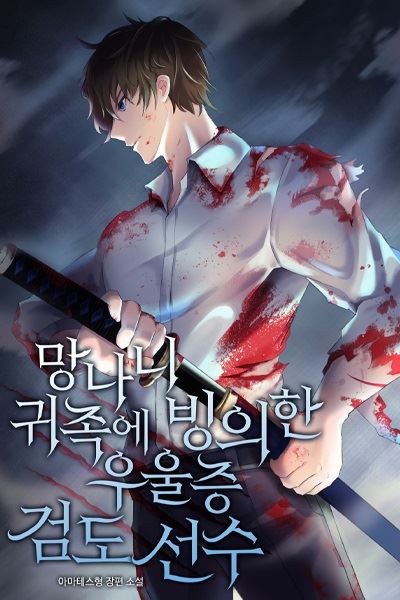
I don't typically write novel critiques, but I've noticed a surge of misinterpretation and negativity surrounding this book lately, so I decided to pen a few thoughts to clarify some points.
The title itself, "Depressed Kendo Player," encapsulates both simplicity and complexity. The story revolves around a young adult who's endured immense hardships and trauma, leading to a decision to end it all. However, fate intervenes, and he finds himself in a different world, where a system promises happiness after three years as a depressed aristocrat, making unconventional choices. This is a typical Korean fantasy tale with elements of an academy, misunderstandings, extraordinary abilities, and demonic encounters.
Many reviews and comments express frustration with the portrayal of trauma, suggesting it disrupts the narrative flow. Let me clarify: trauma is integral to the plot. It serves as the driving force, shaping the protagonist's journey. The novel, in my opinion, centers on overcoming depression and mental health issues, which can be dark and challenging but authentic. Readers who have faced similar struggles can relate and appreciate the realism.
Some critics argue that the main character's mental state doesn't progress meaningfully. Overcoming depression isn't a linear process; it's a constant battle of ups and downs, setbacks, and moments of hope. The author effectively depicts this struggle, reflecting the complexities of mental health recovery. It's important to remember that healing takes time and isn't confined to a single storyline.
Regarding the "edgy" nature of the story, yes, there are intense and uncomfortable moments. However, it's crucial to consider the protagonist's background – someone grappling with severe depression, trauma, and emotional instability. His behavior might seem deranged, but it reflects the depths of his suffering.
In terms of relationships and supporting characters, I believe they contribute positively to the narrative. Depressed individuals often need support from others, like therapists, friends, or family, to cope. The inclusion of characters like Rachel, a maid with a tragic past, illustrates this need for connection and the reciprocal support they provide. Although I personally dislike the idea of a harem, it's not explicitly portrayed in this case.
Lastly, the novel doesn't preach that "giving up" leads to happiness; quite the contrary. The protagonist initially sought death for relief but now fights through adversity in pursuit of it. The message is that happiness is possible even amidst chaos, and the more profound one's pain, the greater the potential for joy. That's a powerful and meaningful takeaway.