You’re Causing Chaos Again [e-sports] - Reviews

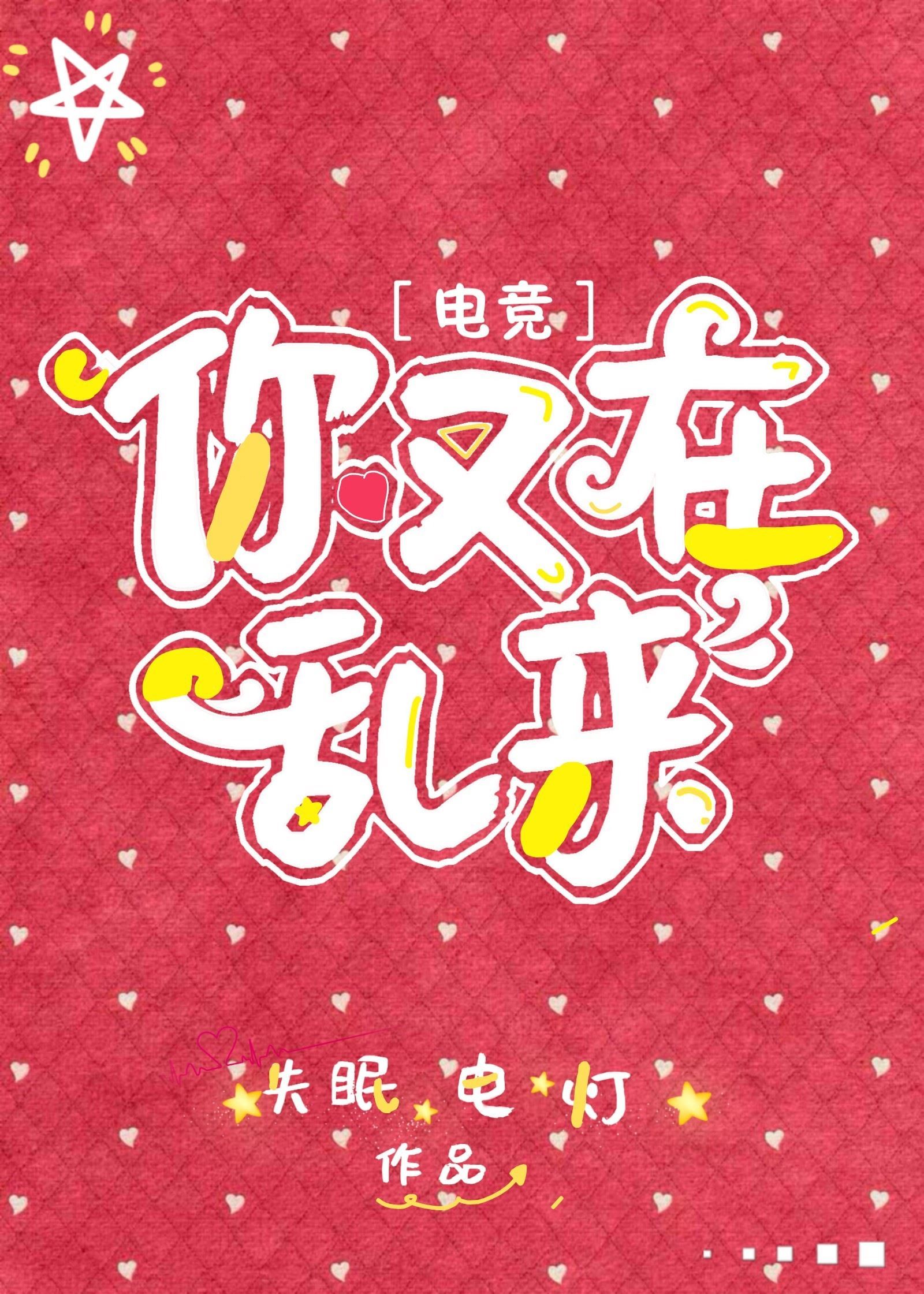
You’re Causing Chaos Again [e-sports]
+Add to Custom List
Sort
Add review
... Read More
Okay I need to talk about this one scene because my heart literally stopped when it happened. Shen Yanming is sitting there all sulky and He Changkong just reaches out and ruffles his hair like it's nothing but it's EVERYTHING. Let me be real for a second. This is not just a friendly gesture between teammates. Look at how Shen Yanming responds - he nudges He Changkong's palm with his own hand, this tiny movement that the author specifically says would go unnoticed if you weren't paying attention. And then adds "Perhaps even the one making the gesture didn't realize it." DID YOU HEAR THAT? He didn't even realize he was doing it. That is the most dangerous kind of physical contact because it's involuntary. It's the body telling the truth before the mouth catches up. And then He Changkong pulls his hand away and says 'Nothing.' But we KNOW it's nothing because he just admitted to himself five sentences earlier that he saw the little puppy looking down and wanted to pat his head. So why say nothing? Because admitting you were patting someone's head because you thought they looked sad is basically admitting you were paying attention to their mood. Which is admitting you care. Which is admitting feelings. Shen Yanming meanwhile is sitting there trying to process whether he has the right to feel sour about this new recruit when they don't even play the same position. His own inner voice is like 'come on you idiot' and I'm over here screaming at the page because the tension is so thick you could cut it with a knife. The author also loves dropping these lines that hit different at night like when Shen Yanming thinks about how he wasn't the only skilled player who caught He Changkong's eye. That ache of wanting to be irreplaceable mixed with the very human desire to be chosen. Not just for the competition but for himself. The line 'He wanted to become stronger, even stronger' after thinking about being the only one - that's not just gamer ambition talking. That's someone who wants to matter in a specific person's eyes specifically.
... Read More
Okay so I need to talk about this moment where Shen Yanming hears those voices — the ones calling him selfish, saying he doesn't belong in a team, that he should just go play solo tournaments. It hit me hard because you can literally feel him shrinking into himself here. The author uses this beautiful metaphor: he turns into a 'helpless cocoon.' And then what? He remembers He Changkong's words from before the match — just two words: 'Play well.' And that's it. That's all it takes for him to break out. I keep thinking about this because it's not a dramatic revelation or anything. It's just a quiet memory of someone who believed in him, and that's what pulls him back. Also, the dynamic between Shen Yanming and Fish is interesting. Fish apologizes immediately after dying, taking the blame, and Shen Yanming is like no, it's on me. There's this mutual respect underneath everything. And then when the tide turns, Fish says he'll save damage buffs for Shen Yanming, and suddenly they're operating as a team again. It's not flashy romance or anything, but it's this deep professional trust that feels really earned. The mage from TMM's second team basically tells him not to worry if he dies, and Shen Yanming — who was about to give up — gets infected by their spirit. That's the thing about this book: it's not just about one person's arc. It's about how different people pull each other out of their own heads.
... Read More
"He looked down at the cheering audience below and felt like he was finally floating on clouds." This line alone gives me literal cinematic goosebumps. The image of Aji standing above a sea of spectators, believing he's made it, when really he's built his entire position on lies — it's devastating visual storytelling. The arena itself becomes this almost theatrical space, a stage where the real performance is about to unravel. And then the shift to the backstage utility room where the shady deals happen? Perfect. Small, cramped, hidden — the opposite of the bright spotlight above. The contrast between the two spaces tells the whole story of this character. The scattered audience, the noisy conversations, the commentators on stage — it all creates this lived-in atmosphere that feels real, not glossy. And the detail about the tickets not being sold out? That's such a sharp worldbuilding touch. It shows the lower tiers of this competitive scene aren't glamorous at all. These are garage-level tournaments with five enthusiastic strangers and a whole lot of desperation.
... Read More
What strikes me most about this batch is how grounded everything feels. We're in a world where high school students are sneaking phones to watch esports streams, where the disciplinary office is a real threat, where KPIs matter. The author doesn't over-explain the gaming world — we learn about the Throne Championship, regional qualifiers, the world tournament format naturally through character conversation rather than some info-dump. And the everyday details are what make it pop: He Changkong silently watching Meng Yan eat his barbecue, the math representative handing out quiz papers, classmates dragging Shen Yanming into gossip sessions. There's this one image that stuck with me — He Changkong clicking randomly on forum posts, gaze unfocused, clearly deep in thought about his mother wanting to watch his match. That's cinema-level direction in prose. You don't need a single word of dialogue to understand he's conflicted. The worldbuilding extends beyond just the gaming arena into this whole ecosystem of school life, team dynamics, family expectations, and personal ambition. It all fits together like a puzzle where every piece matters.
... Read More
There's this one moment — just one — that perfectly captures the shift in Shen Yanming's world. "Of course, he was familiar with this server even before, but he didn't expect to enter it again with a new name, leaving the TMM prefix and the chaos suffix behind, everything was new." That's it. That's the whole thesis of this arc right there. The same virtual space, but he's a different person in it. The sensory detail of logging in with a fresh account, the mental image of shedding old identifiers — it's small but it makes the whole esports world feel concrete and lived-in. The training room atmosphere is also rendered so casually well. You've got multiple characters moving around — Meng Yan complaining about the vulgar language, Pudding calling out direction, the split into duo queues, the countdown before matches. It's not described like a stage set; it's described like you're just there, sitting at your computer, and the world keeps happening around you. That's harder to pull off and the author does it almost without trying. The public channel chat as a scene device is brilliant too. Instead of narrating "they saw their opponents," the author just shows us xxl_westx2 spamming exclamation marks in all caps and we immediately understand: this is a loud, chaotic player, and the digital space has its own social rules. The WeChat friend request expired business — that's a tiny detail that makes this entire virtual world feel like it exists beyond the match, that these people have actual lives and conversations happening on other platforms.
... Read More
There's this recurring tension between performance and reality that hits differently here. Shen Yanming starts by performing for fans—smiling, playing along, making the 'Luanzi ge' declaration while clearly amused rather than romantic. Then he retreats to watch his teammates perform in a match, where strategy and camaraderie are on display. But the real self emerges only when the doors close. The mask drops. And what's underneath? Injury. Worry. Physical pain that no amount of pretending can hide. The shoulder isn't just a plot device; it's the body literally refusing to keep up with the performance. Shen Yanming's knowledge that this will end Pudding's career adds this tragic layer—the performance was always temporary, but the cost is permanent. And He Changkong poking faces, Shen Yanming leaning into him, these small gestures of unguarded physical contact... they're moments where the masks slip for different reasons. Not because of drama, but because of trust. The book seems to be asking: when do we perform, and who gets to see us when we stop?
... Read More
Okay can we just take a moment for He Changkong. This man, who earlier was described as eating like he "drinks immortal dew," who looks completely untouched by the sweaty chaos of spicy hot pot — he notices Shen Yanming wants fish balls, puts them in the pot, and then SERVES HIM TWO. Not just cooks them. SERVES them. With a SHARED SPOON. And then does it AGAIN for Pudding and Fish when they ask. This is the most He Changkong thing ever. He doesn't say anything. His face stays "relatively expressionless" but the narration specifically notes his EYES softened. That is a whole character arc in one sentence. And then Meng Yan asks and he eats the LAST fish ball himself. Brutal. I love him so much. The sibling dynamic among these guys is genuinely beautiful — it's not loud or dramatic, it's just small gestures. Notice how no one questions why He Changkong is so attentive to Shen Yanming specifically? It's just... natural. And Meng Yan's story about middle school He Changkong ranked second and threw a tantrum at knockoff McDonald's? That revealed SO much. This stoic, perfect, immortal-dew-drinking warrior was once a kid who got upset about not being first and ate burgers in silence. Humans are weird. Also, what is up with Lan though?? Why does everyone act like his distance is normal, but we as readers are SURE something is wrong? That's how you build a character subplot, folks.
... Read More
Can we talk about the symbolism of White Wolf for a second? Both Shen Yanming AND Aji's opponent pick the same character. That's not accidental. In Chinese web novel tradition, the wolf is never just a wolf — it's independence, lethality, loneliness. Two White Wolves meeting in a low-rank match is almost poetic. And then there's that recurring motif of the white moonlight. The footnote literally tells us this idiom describes someone unattainable, and it's connected to He Changkong. So we have wolves circling around something they can't quite reach. Shen Yanming is so focused on finishing this game and going back to school — is he running from something too? The casual streamer he's about to destroy might just be the least of his problems. I keep noticing how the author contrasts the loud, chaotic livestream audience with Shen Yanming's internal silence. Everyone is performing — Aji performing dominance, the chat performing opinions, Shen Yanming performing as a mediocre streamer — but nobody is actually being real. The theme here might be about authenticity in a world where everyone has alt accounts and alternate personas. What happens when the performances collide?
... Read More
I need to talk about how this chapter manipulates time because it's genuinely masterful. It starts slow—Shen Yanming remembering details about TMM's second team, checking a website, having a casual chat online. Very low energy. Almost boring if you're not paying attention. Then it pivots into his backstory: the deleted accounts, the failed attempt at quitting, the one-handed stream that went viral. This is the inciting incident of his current crisis, and it's placed perfectly as a flashback that explains everything without feeling like an info dump. But then—the real nail in the coffin. He returns to the present, goes back to school, his classmates are watching videos, and his roommates drag him into watching THE VIDEO. The tension doesn't build with action scenes or explosions. It builds with each small beat: the phone being pulled out, the earphones being handed over, him checking the door, the video starting, his own voice coming out of someone else's phone. Each moment is quieter than the last but the anxiety keeps climbing. The chapter ends on an incomplete forum post—"It's fine if they play badly, but the..." and it cuts off. I literally had to immediately open the next chapter. That's not a cliffhanger you earn with big reveals. That's a cliffhanger you earn by making the reader feel every second of dread. Chef's kiss.
... Read More
Let's talk about that dream sequence because it's not just fan service — it's doing actual thematic work. Shen Yanming falls asleep scrolling Weibo, half-conscious, and his mind constructs this intimate scene with He Changkong sharing a glass of cola. The cola itself is a lovely detail — two people who can't quite bridge the physical gap in waking life, reaching for the same drink, and in the dream that boundary dissolves completely. But then the cola gets knocked over. Spilled. The moment is interrupted by reality — the sound of rain against the window. That rain is doing so much heavy lifting. It wakes Shen Yanming from the dream, forces him to confront what just happened, and then becomes his excuse for everything: 'Blame it on the rain.' The dream represents what he wants — closeness, intimacy, the physicality he's never experienced ('never even knowing what kissing felt like'). The rain represents what keeps interrupting it — duty, fear, the constant state of emergency their lives are in. He can't even have his subconscious fantasies in peace; the weather has to ruin it. And then there's the Buddhist chant — the Great Compassion Mantra — playing as he tries to sleep off the dream's aftermath. He's literally quoting scripture to fight off desire. The irony is almost too perfect: praying for compassion while his body betrays him, surrounded by the sound of rain that won't stop falling. The story keeps asking: what happens when the people who understand each other most can't quite be honest about what they feel? The answer seems to be: they write letters, copy song lyrics, and have very vivid dreams.
... Read More
This whole sequence is dripping with symbolism and I need everyone to notice what the author is doing here because it's GENIUS. The mirror item in the game — literally a tool that reflects damage back at the attacker — is basically the perfect metaphor for everything happening. Moonlight reflected Pudding's own vulnerability back at him. Pudding tried to attack, and the consequence bounced right back. It's like the game itself understood what was happening and handed them the exact item needed to expose the truth. Then there's the facade everyone's wearing. Pudding pretending he's fine when he's clearly not. Moonlight hiding his true motives behind a smile and 'strategic thinking.' The teammates laughing it off while one of their own is crumbling. Even Shen Yanming and He Changkong are performing normalcy while sharing secrets that could destroy careers. And the title of this whole arc feels like it should be 'Emotional Manipulation' — Moonlight isn't just playing the game, he's playing PEOPLE. He knows about Pudding's father, he knows about the home situation, and he weaponized that information without anyone else knowing. That's not competition, that's cruelty dressed up as strategy. The deeper you dig into this text, the more layers you find. It's not just an esports story — it's about power, manipulation, and the cost of hiding your pain.
... Read More
I keep coming back to these small set pieces and how they construct this whole universe of the team living together. Someone selling potted plants by the roadside claiming they bring good fortune on the second-floor corridor—this is such a weirdly specific detail that makes the world feel ALIVE. It's not some generic esports dorm; it's a place where people buy superstitious plants at midnight and argue about whether a keyboard counts as a first wife. And then the hair dyeing scene. Sitting on the floor leaning against the bed, eyes drooping, the chemical smell probably sharp in the air, Pudding carefully following instructions while Shen Yanming fights sleep. This is domestic intimacy without any of the labels attached, and it's so much more powerful than if the author had just described a fancy date or a dramatic confession. The environment here—dim lighting, physical closeness born of boredom rather than romance, the casual vulnerability of someone half-asleep trusting another person with their head—creates this atmosphere of safety that I think is exactly what He Changkong has been missing his whole life. The author clearly understands that worldbuilding isn't just about setting; it's about the mundane rituals that make a space feel like a home.

Leave a comment

You must be logged in to leave comments. or
