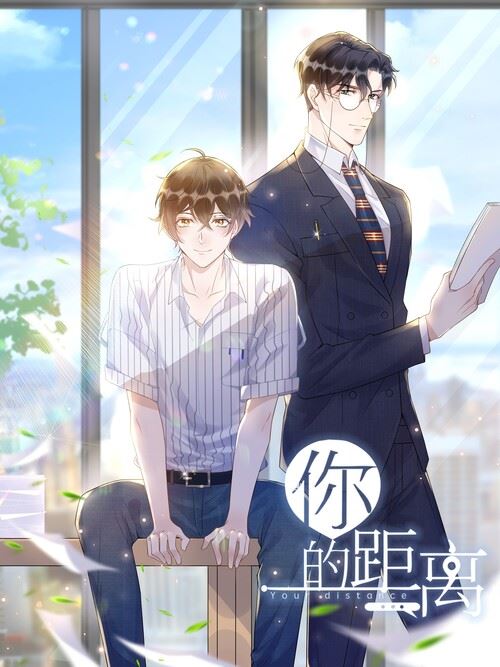
I appreciate the perspective and thoughts presented in that particular chapter where they visited the cemetery to discuss aging and mortality. Allow me to share a part that resonated with me:
Ting Shuang paused by a tombstone, reading the inscription: "1911-1951, Günter lies here, having slumbered for 68 years." As an older inscription, it was written in Gothic script, challenging to decipher. After some effort, Ting interpreted the line, "Forty... tempestuous... extraordinary years have passed."
"Bright," Bai Changyi translated simply, "Forty bright years were his."
"He owned forty bright years," Ting repeated the phrase softly, feeling a sudden connection to the concept of ownership. It made him wonder if Günter, as a younger man, had pondered his life beyond fifty or how he would spend the rest of his days.
However, one doesn't truly have a future or a "rest of one's life"; it's more a projection, an illusion. What truly belongs to us is the time we've lived and the present moment. Standing there, Ting felt a sudden lightness in his heart.
On this clear autumn day, a gentle breeze blew, carrying the serenity of the moment. Ting inquired, "Shall we proceed?"
"Mm," Bai Changyi replied, and they continued walking side by side. After a few steps, Bai shared, "If I were to depart tomorrow, this could be my epitaph—"
"'Thirty-six bright years and a beloved companion, Ting Shuang.' It doesn't sound daunting, does it?"
The idea of a couple remaining together even in death, like the Lovers of Hasanlu or Modena, struck a chord. Death can be terrifying, but also a gentle release. The lyrics of Hozier's "In a Week" and Reese Lansangan's "When it Happens" played in my head, fitting the theme, despite the age gap and uncertainty about their eventual end.
My apologies for digressing, but I stumbled upon this gem while exploring the 'Early Romance' tag, and I'm grateful for the author and translator's efforts. Though it may not be the pinnacle of literature, it resonates with my personal preferences.