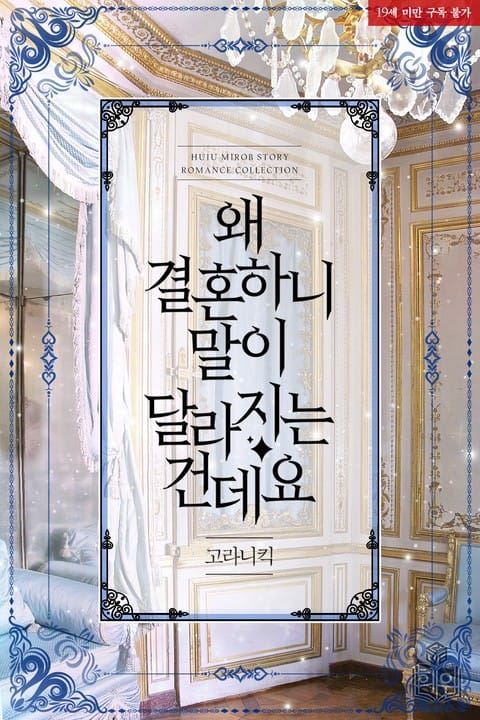
The Duchess's dialogue in this section is absolutely phenomenal. On the surface, she sounds like a loving, caring mother — the strawberry cake, the concern about Alice's wellbeing, the warm embraces. But read between the lines and it's basically psychological warfare wrapped in maternal affection. Let me just quote a few things that wrecked me:
"I thought you'd want some." — said about strawberry cake, but also about the erotic booklet. The casualness is chilling.
"If a man isn't satisfied with his wife, he'll cheat. And if a man always has to take the lead, he'll eventually grow tired of his wife." — This is presented as wisdom, as maternal guidance, but it's essentially teaching Alice that her value depends on sexual performance. And the worst part? The Duchess believes this. She's not being malicious, she's being earnest. That makes it infinitely worse.
"Be careful not to appear too eager. Men look down on wives who seem overly interested in such things... Always maintain proper behavior in daily life." — The contradiction is staggering. Be a temptress at night, be a proper lady by day. The Duchess is giving Alice instructions for a role she can't possibly play without losing her mind, and she delivers it with the warmth of someone recommending a good book.
Alice's internal voice, meanwhile, is this perfect contrast. Where the Duchess speaks in pronouncements and instructions, Alice's thoughts are fragmented, anxious, self-interruaping. "Could it be that Mother always found it difficult with Father?" she wonders, and then immediately pivots to thinking about Daniel's tenderness. Her mind leaps, circles back, contradicts itself. It's such a realistic portrayal of a young woman being told everything at once — about sex, about duty, about danger, about pleasure — and trying to process it all while sitting in a sunny garden eating strawberry cake.
Dorothea's dialogue is a relief after the Duchess's performance. She's blunt, flustered, genuinely panicked for her friend. "It's not too late yet. How long has it even been since your wedding?" — there's no manipulation here, just raw friendship. The contrast between the two women shaping Alice's fate through their words is something the author handles with remarkable subtlety.
And the dream dialogue — "You pretended to be so modest, but you weren't even pure, were you, Alice?" — delivered in Daniel's cold voice. Whether real or imagined, it cuts to the bone because it weaponizes everything Alice has been taught to believe about herself.