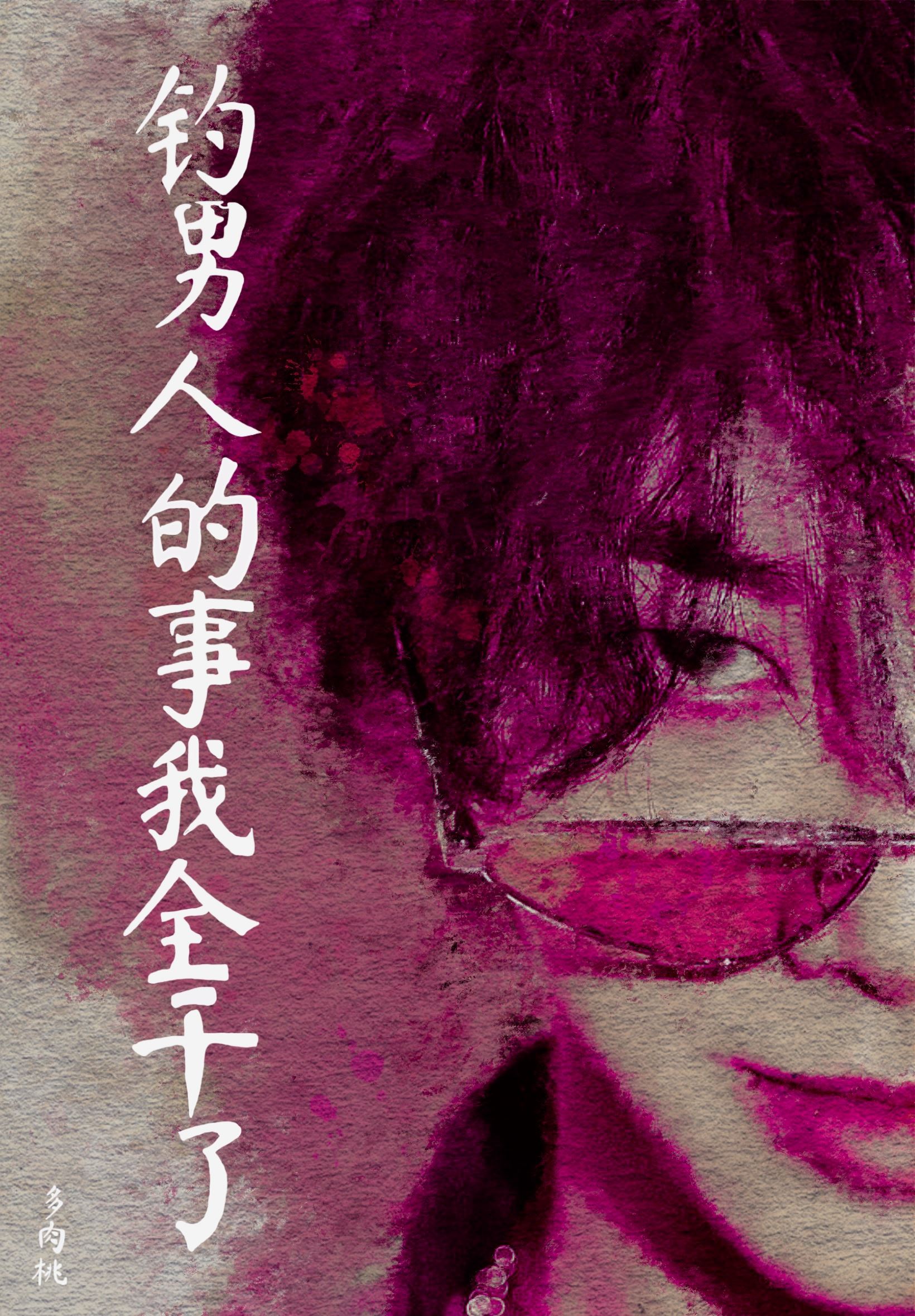
I need to process what just happened in these chapters because the stakes keep multiplying and I don't know whether to be thrilled or terrified for these characters.
Let's start with Gu Yanyan, because his situation is genuinely precarious in ways that make every decision he makes feel weighty. He agreed to be used as bait to provoke the Liang family's Second Young Master into hitting him. Not because he wanted to—he needed the money. Eight hundred thousand yuan total, split into upfront and backend payments. For someone who grew up in a backward mountain village and watched his parents die, that money isn't abstract. It's survival. It's dignity. It's the difference between being invisible and being able to "dress the part, blend in, and maybe even get close to a few of them."
But here's what makes the conflict so layered: Gu Yanyan isn't just being used by loan sharks. His own uncle—his FAMILY—is the one shaking him, screaming in his face, kicking pots. The abuse is personal and financial simultaneously. And Gu Jie isn't even the mastermind; he's taking orders from the Lin family. So Gu Yanyan is trapped between an abusive relative, predatory lenders, and his own desperate ambition. The external conflict (loan sharks, rich heirs, his uncle's violence) mirrors the internal conflict (he hates being poor but knows the cost of climbing is becoming something he might not recognize).
Meanwhile, Lu Chi's conflict is more internal and mysterious. We learn he died before this—"Before his death, Lu Chi had a lot of fans." He's some kind of reborn transmigrator working with a system to seduce the protagonist. But his personal stake isn't clear yet beyond the system's demands. What does HE want? Is he playing a game or is there something genuine underneath? The fact that he's quietly dyeing his hair black while the system cheerfully nudges him toward seduction suggests there's more to him than the mission. And that mystery is its own form of tension—I'm invested in figuring out what Lu Chi actually wants, not just what the system wants for him.
Then there's the Liang Jiashu subplot brewing in the background. Manager Zhao sweating under his icy stare for hours because Lu Chi quit his job. That's a new conflict thread being woven in. Who is Liang Jiashu and why does he care so much about Lu Chi's availability? The text cuts off before we know, which is torturous in the best way.
The intersecting conflicts across three different power dynamics—poverty and violence, system and soul, obsession and autonomy—are what make these chapters feel alive. Nothing is static. Everyone is moving, and everyone is vulnerable.